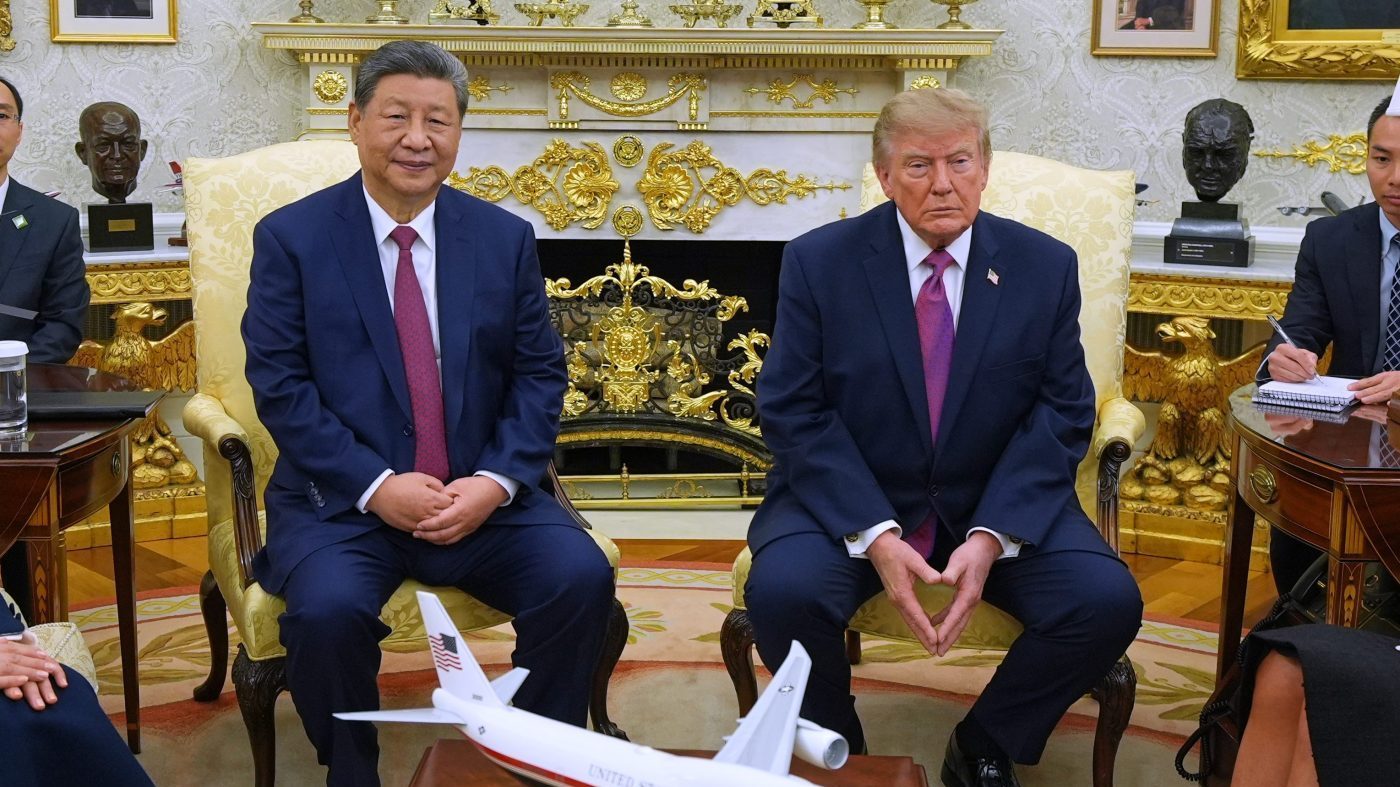
Chinese President Xi Jinping used his White House visit on Thursday to announce a pair of diplomatic gifts: two giant pandas for an Atlanta zoo and invitations for 100,000 American students to study in China. The gestures, unveiled alongside President Trump, were framed as a bridge between the two nations.
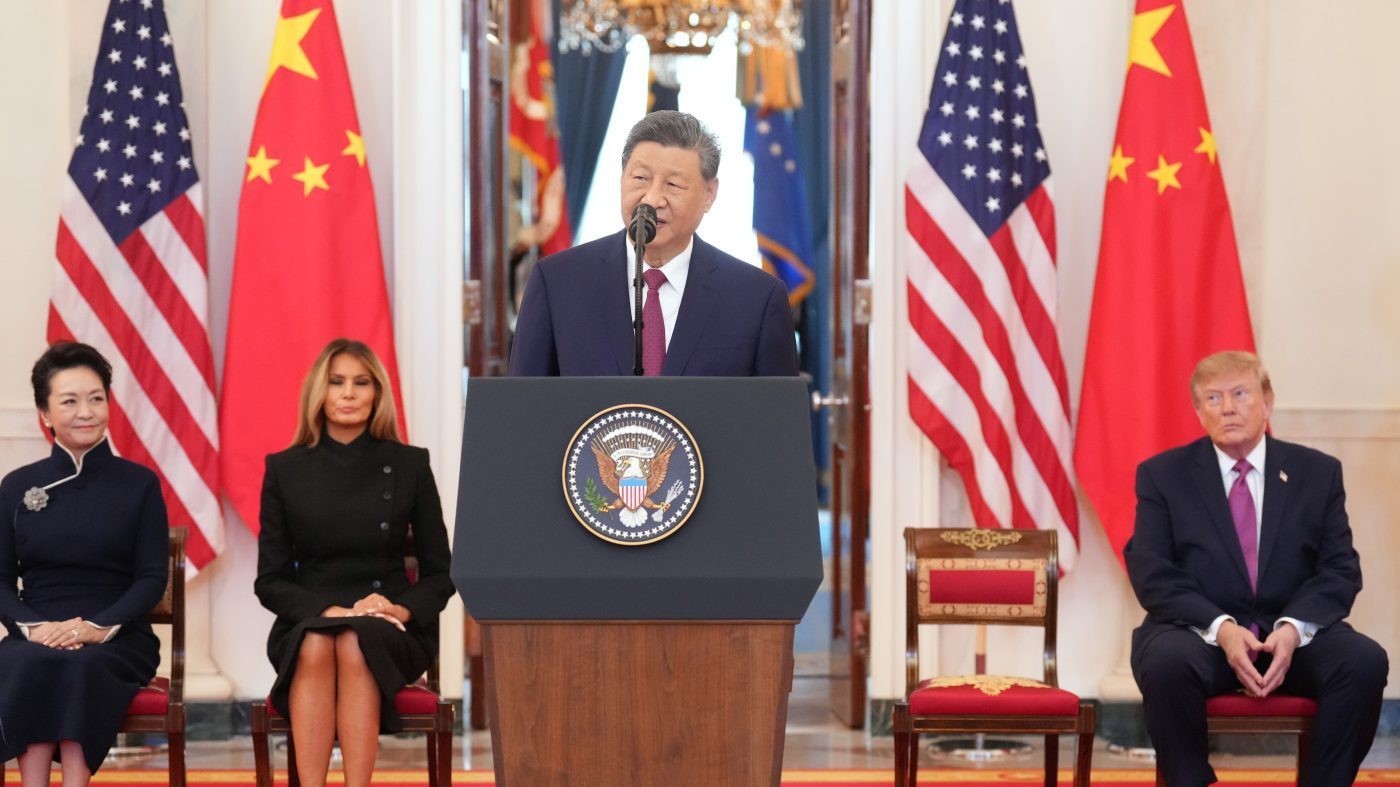
“The giant panda has been an envoy of friendship between the Chinese and the Americans,” Xi said, speaking with Trump and other officials from both governments. He added that the pandas, named Ping Ping and Fuchuan, would arrive in the coming days at Zoo Atlanta, marking the return of the species to the facility after a previous agreement lapsed in 2024.

The panda program, often dubbed “panda diplomacy,” dates back to 1957 and has been periodically renewed to keep the bears in the United States. A Chinese Foreign Ministry spokesperson shared images of the two pandas on social media, underscoring the symbolic weight of the announcement.
In addition to the pandas, Xi pledged to invite 100,000 young Americans to study in China over the next five years. “The hope of China-U.S. relationship lies in our people, and its future lies with the young,” he said. The student initiative is part of a broader effort to foster people-to-people ties amid ongoing tensions over trade, technology, and regional security.
Xi also made a pointed reference to Trump’s campaign slogan, saying, “Achieving the great rejuvenation of the Chinese nation and making America great again can go hand-in-hand.” The remark drew attention from observers noting the carefully calibrated tone of the visit.
The announcements came on the second day of Xi’s state visit, which included an unusual welcome at Joint Base Andrews on Wednesday evening. President Trump and First Lady Melania Trump greeted Xi and his wife, Madame Peng Liyuan, on the tarmac, followed by a formal arrival ceremony on the South Lawn and a military review in the Rose Garden.
Later Thursday, the Trumps hosted Xi and Peng for a three-course state dinner at the White House. The menu, blending American and Chinese flavors, was revealed earlier in the day, highlighting the diplomatic effort to project warmth even as Washington continues to scrutinize Chinese firms and trade practices, as detailed in recent coverage of the visit’s deals and tensions.
The panda and visa offers are seen as soft-power moves, but analysts note they occur against a backdrop of friction over issues like visa policies and gift-related controversies. The student initiative, in particular, could face logistical hurdles, but it also signals a desire to maintain educational exchanges.
As the visit concludes, the focus shifts to whether these symbolic gestures translate into tangible progress on trade and security. For now, the pandas and student visas offer a rare moment of bipartisan appeal, though the underlying tensions remain unresolved.