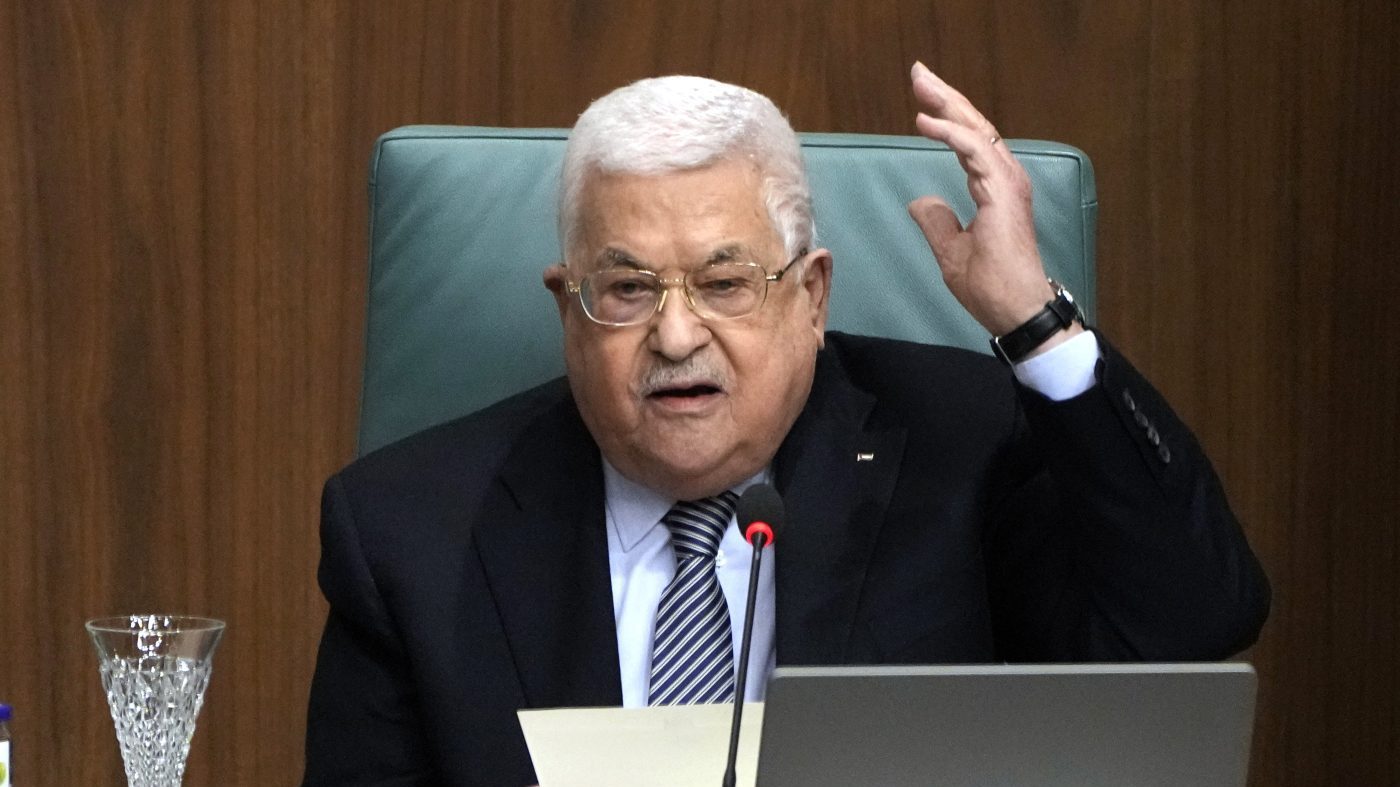
The Trump administration has again denied visas to the Palestinian Liberation Organization (PLO) and Palestinian Authority (PA) delegation, blocking their attendance at the United Nations General Assembly in New York for the second consecutive year. The State Department announced the decision on Wednesday, citing what it described as the Palestinians' failure to uphold commitments under the PLO Commitments Compliance Act of 1989 and the Middle East Peace Commitments Act of 2002.
State Department officials listed specific grievances, including the Palestinians' recourse to international bodies such as the International Criminal Court (ICC) and the International Court of Justice (ICJ), efforts to secure unilateral recognition of statehood, and continued payments to families of convicted terrorists. The department also accused Palestinian leaders of glorifying terrorism in public statements and educational materials.
Despite the visa denials, the State Department said it would continue to issue waivers under the UN Headquarters Agreement, which obligates the host country to allow diplomats to attend UN meetings. However, officials argued that denying the visas was "in our national interest to impose consequences and hold the PLO and PA accountable for glorifying terrorism."
The Palestinian Authority's Ministry of Foreign Affairs and Expatriates rejected the accusations, asserting that engaging with the UN, ICC, and ICJ is a "legitimate right and a peaceful, legal means to protect the Palestinian people and their rights." In a statement, the ministry called on the US administration to reverse the decision and to engage in direct, serious dialogue to address differences. It also urged the resumption of bilateral relations based on mutual respect and support for the implementation of the New York Declaration, relevant UN resolutions, and the peace plan, which it said would lead to an independent Palestinian state with East Jerusalem as its capital.
This marks the second time the administration has taken such action; the first was in August 2025, when State Department officials linked the visa denial to Palestinian leaders' refusal to condemn the October 7, 2023, Hamas attack on Israel, which killed about 1,200 people. The subsequent Israeli military campaign in Gaza has resulted in over 70,000 Palestinian deaths and widespread destruction, according to local health authorities.
A ceasefire between Israel and Hamas was reached last October, but Israeli strikes in Gaza continue, with recent attacks displacing families and complicating rescue efforts. The administration has also pressured Palestinian groups to abandon attempts to gain international recognition for a sovereign state in the West Bank and Gaza.
President Trump's Gaza Board of Peace has proposed a 15-point plan that includes an Israeli withdrawal from Gaza and Hamas disarmament, but Israeli Prime Minister Benjamin Netanyahu has rejected the plan and opposed the creation of a Palestinian state. The visa denial comes amid broader tensions in the region, as the administration faces criticism over its handling of international diplomacy. For more on related developments, see Trump's hints at possible military action in Iran and inflation's impact on Trump's midterm prospects.
The decision is likely to further strain US-Palestinian relations and complicate efforts to restart peace negotiations. Palestinian officials have vowed to continue their diplomatic push at the UN and other international forums, despite the visa restrictions.