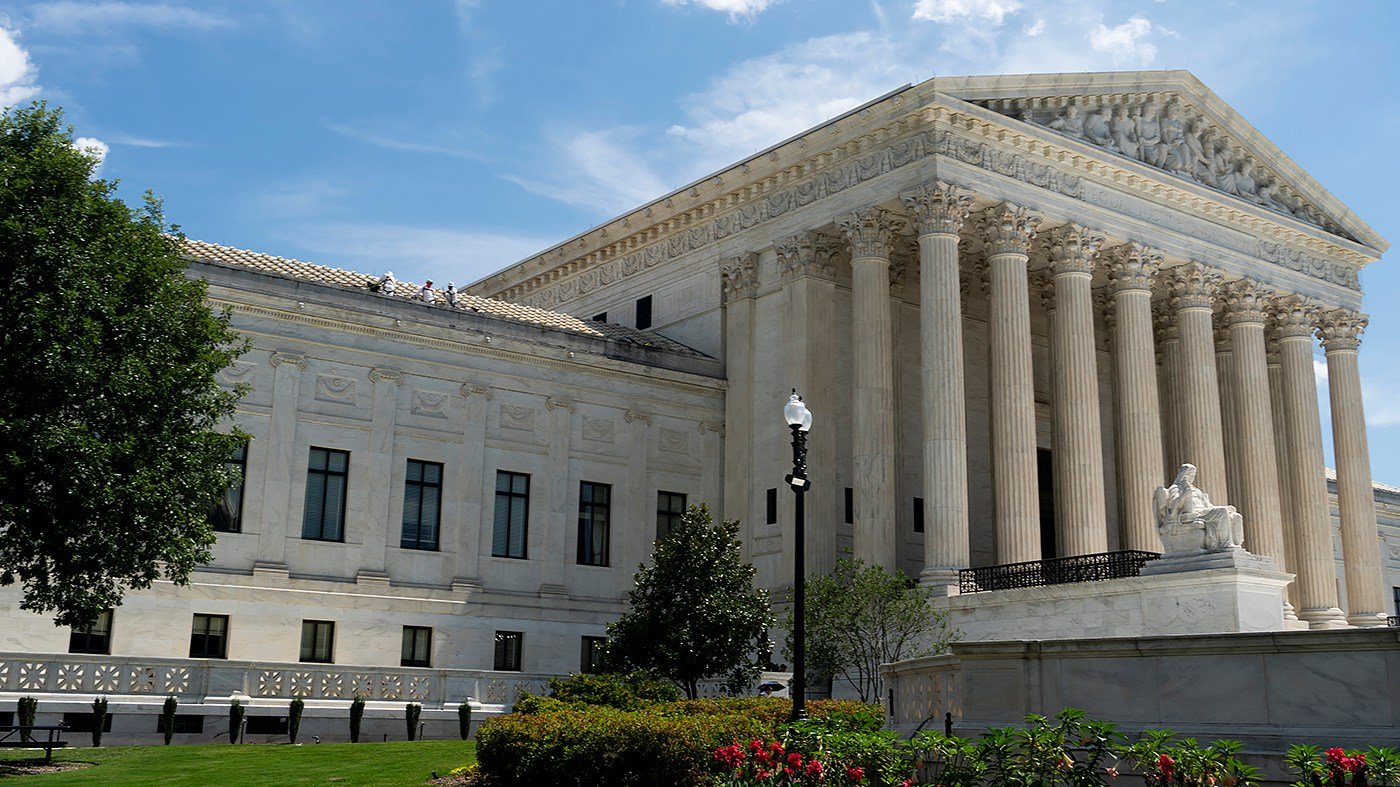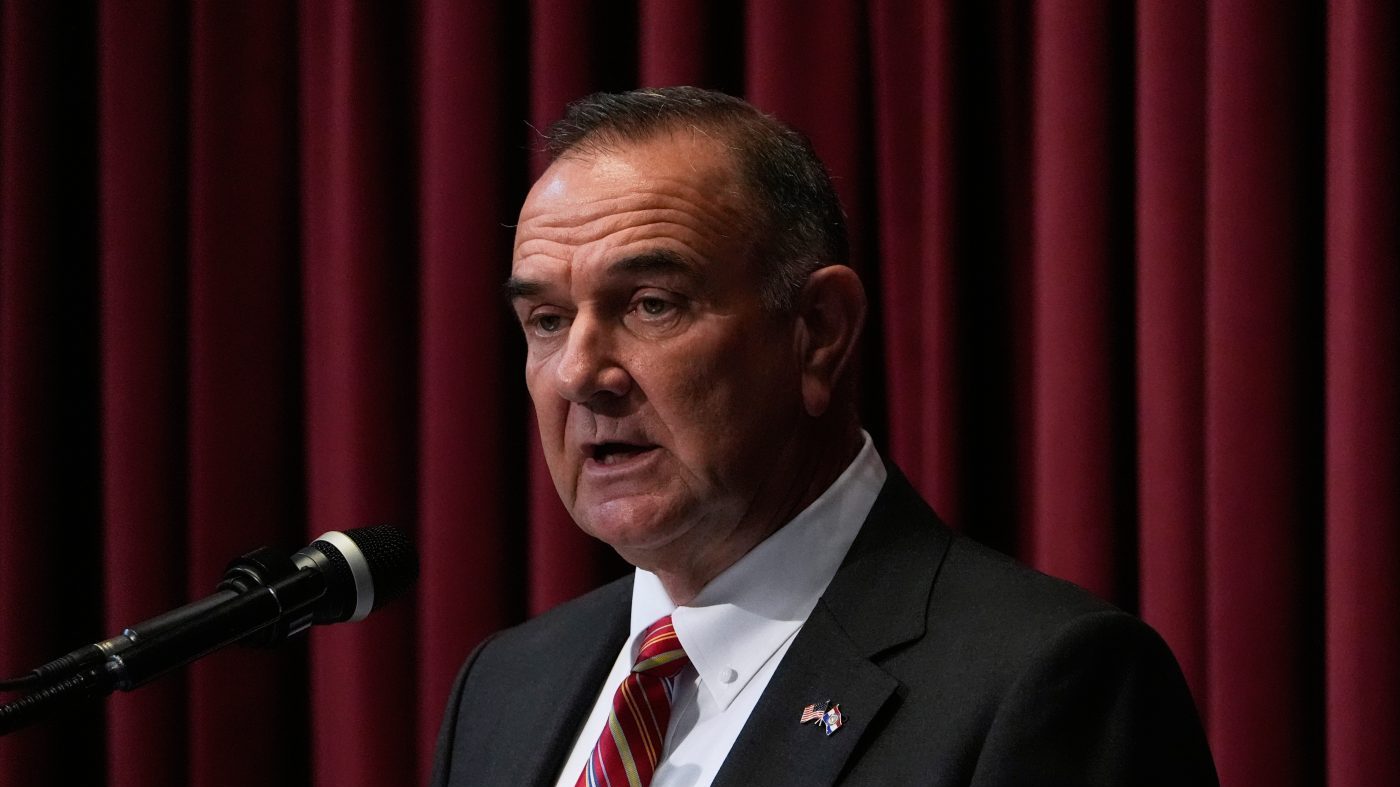
Missouri Governor Mike Kehoe expressed frustration after the U.S. Supreme Court on Friday declined to allow the state to use its newly adopted Republican-leaning congressional map for the November general election. The decision means Missouri will revert to its previous 6-2 map, despite having used the 7-1 map in its August primary.
In a statement posted on X, Kehoe said he was "disappointed" that the court's ruling would result in different maps for the primary and general elections. "Voters deserved consistency and certainty, and not for the rules to be changed between elections," he said, adding that the state would comply with the decision.
The Supreme Court's unsigned opinion blocked an appeals court ruling that had allowed the new map to be used. The justices reasoned that switching maps so close to Election Day, with ballots already being mailed, would "usher in electoral chaos." There were no noted dissents.
The legal battle over Missouri's congressional districts has been ongoing for months. Republicans passed the new map in 2025 as part of a broader mid-decade redistricting push backed by President Trump and national GOP leaders. The map was designed to give Republicans a chance to win seven of the state's eight House seats, up from six under the 2022 boundaries.
The new lines specifically targeted the Kansas City-area district represented by Democrat Emanuel Cleaver, making it more favorable to Republicans. Missouri used the map for its August primary, but the state Supreme Court later ruled that a referendum challenging the map would appear on the November ballot, preventing the new boundaries from being used for the general election unless voters approve them.
Republicans then took the fight to federal court, arguing that switching maps between the primary and general elections raised constitutional issues. The Supreme Court's decision now leaves Missouri in a unique position, using one map for the primary and another for the general election.
This is not the first time the state's redistricting has sparked controversy. Earlier this year, a redistricting clash returned to the Supreme Court as voting began, and the fight reached the 8th Circuit as deadlines loomed. The ongoing turmoil has left House races in limbo, as candidates and voters face uncertainty about which district lines will ultimately apply.
Kehoe's statement emphasized that the state will follow the ruling, but the decision has broader implications for the GOP's redistricting strategy. Analysts have noted that redistricting may not deliver the House gains Republicans hoped for, and this latest setback could further complicate their efforts in Missouri.
The Supreme Court's intervention underscores the judiciary's reluctance to disrupt ongoing elections, even when state legislatures have passed new maps. For Missouri voters, the November election will now proceed under the familiar 6-2 map, while the referendum on the new map remains on the ballot.