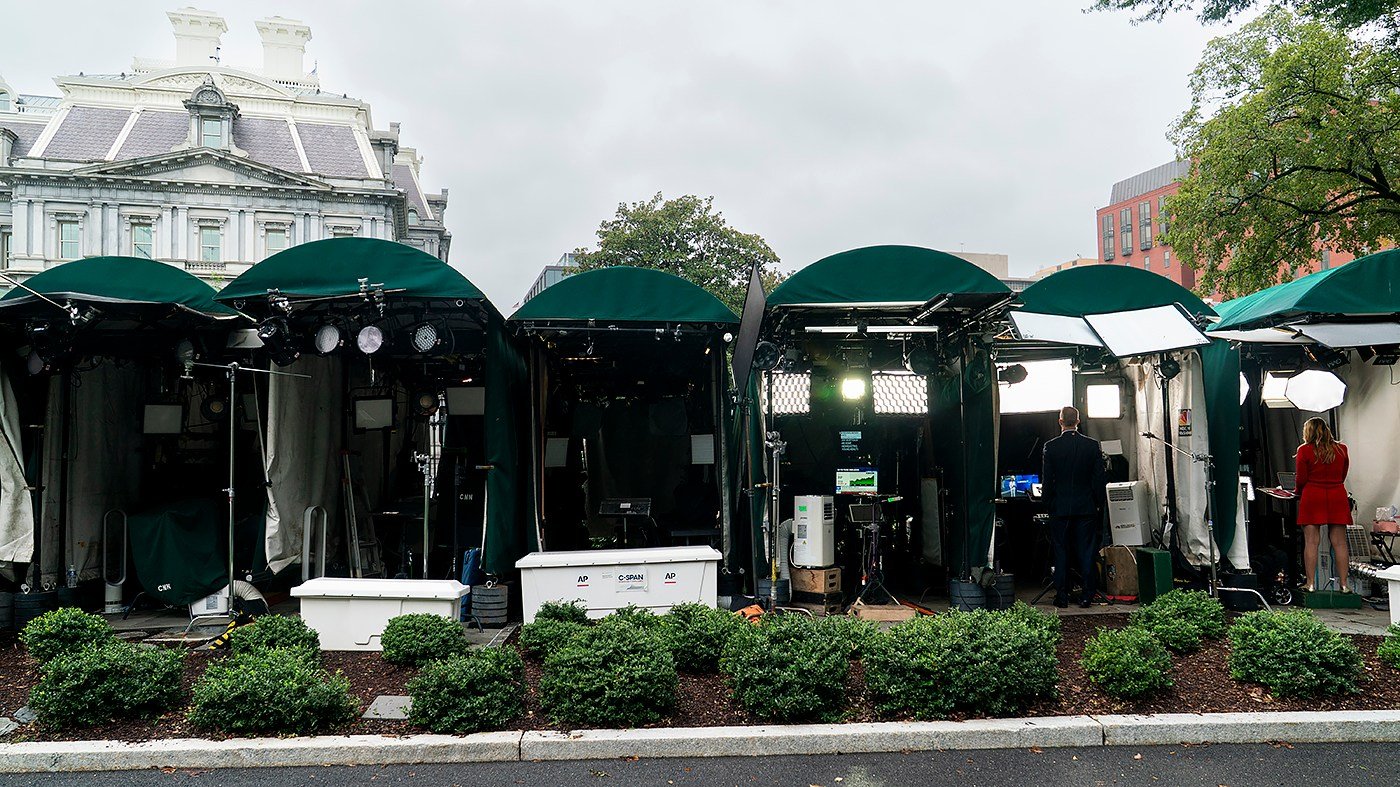
President Trump's decision to bar three news organizations from White House events was initially framed as a response to unfavorable coverage. But within days, the administration shifted its justification, casting the move as a matter of national security—a familiar refrain that has become a cornerstone of its legal strategy.
In a Truth Social post Monday, Trump wrote that outlets publishing "false and defamatory stories with unknown 'sources'" violate national security and should not have access to the Oval Office. The pivot reflects a broader pattern: the administration has repeatedly invoked national security to defend policies ranging from tariffs to domestic troop deployments.
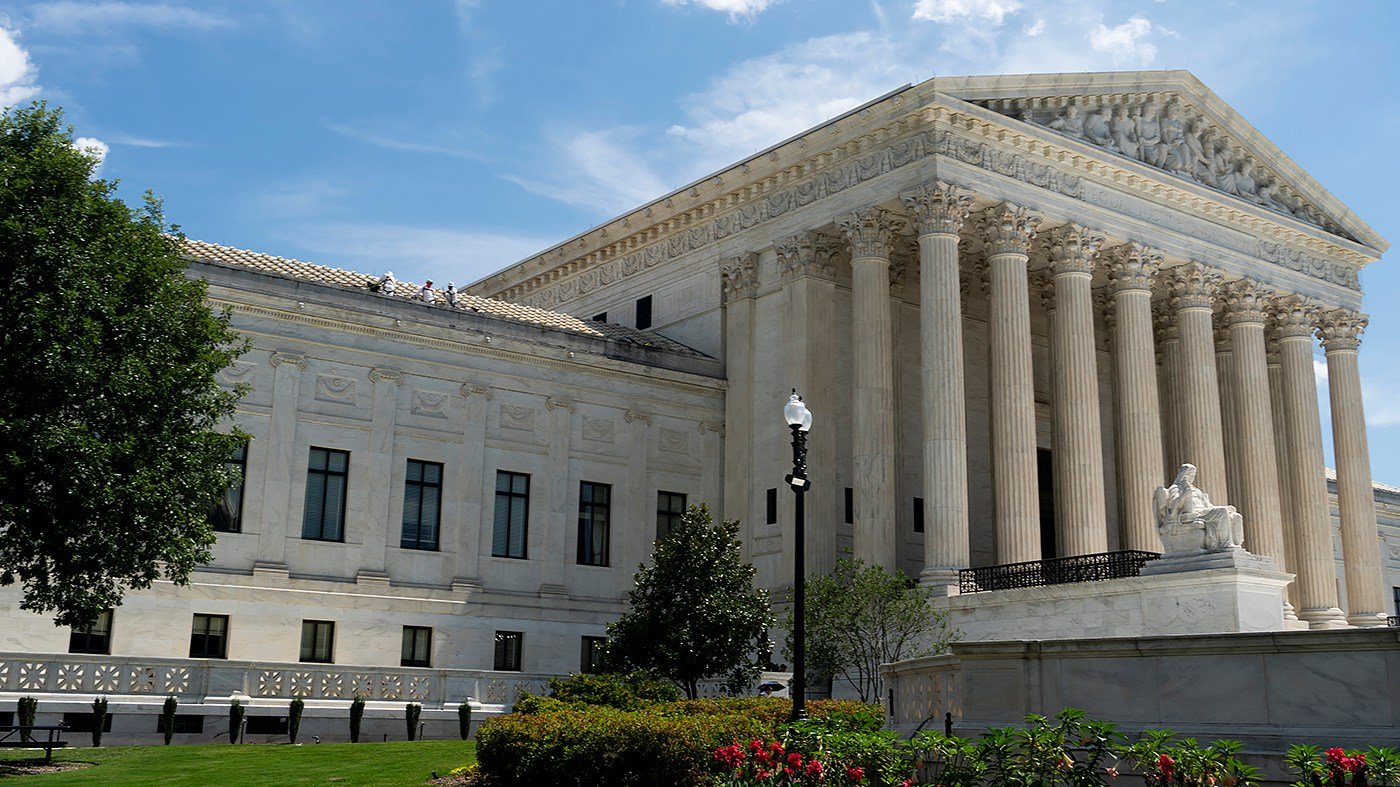
Yet legal experts caution that this approach may be losing traction in the courts. Matthew Waxman, a Columbia law professor and former Bush administration national security official, noted that courts typically defer to the executive on security matters, especially regarding classified information. The Supreme Court's 2018 decision upholding Trump's travel ban relied heavily on that deference, with Chief Justice John Roberts writing that the policy had a "legitimate grounding in national security concerns."
However, Waxman warned that overuse of the argument could backfire. "When the administration makes outlandish claims on the whole range of public policy matters, it's natural that courts would scrutinize its national security claims more carefully," he said. He added that "absurd or demonstrably false claims are undermining arguments that the courts lack expertise to judge them."
The administration has applied the national security label to a wide array of initiatives. It cited security concerns when imposing sweeping tariffs, deploying National Guard troops domestically, and even building a new ballroom on White House grounds. White House spokesperson Anna Kelly defended the ballroom, stating, "It is a national security imperative to ensure the safety of the President, his family, and his Cabinet."
In a notable case, the Pentagon designated AI startup Anthropic as a "supply chain risk" after safety negotiations collapsed. Anthropic sued, alleging retaliation for its refusal to allow its models to be used for mass surveillance or autonomous weapons. A divided D.C. Circuit panel sided with the government on Friday, with Judge Gregory Katsas writing that the decision was "necessary to protect national security."
Critics see the pattern as a catchall defense. Ted Boutrous, an attorney for the barred outlets, called national security the administration's "magic word" during a hearing. The White House press office accused the outlets of "trafficking in verifiable falsehoods about national security," but the federal judge overseeing the dispute expressed skepticism about whether security was the "actual motivation" for the ban, noting that the justification came only after the restrictions were imposed.
The administration's reliance on national security has also drawn scrutiny in other contexts. As Trump's approval ratings slide and Republicans face midterm headwinds, the strategy may be aimed at rallying his base. Yet with courts increasingly questioning the rationale, the administration may find that invoking national security is no longer a guaranteed shield.
Observers note that the administration's approach could have lasting implications for how courts handle executive claims. As Waxman put it, "National security deference is prone to abuse," and the current pattern may be eroding the very trust that underpins it.