With five weeks until the 2026 midterms, the political landscape has shifted dramatically. Recent national surveys show Democrats with a commanding lead on the generic congressional ballot, and Republicans are increasingly on the defensive. The PBS/NPR/Marist poll puts Democrats ahead by 12 points (53% to 41%), while an Emerson survey shows a nearly identical 12-point gap. The RealClearPolitics average of all major polls pegs the Democratic advantage at 9 points.
Perhaps more telling is the shift among independents. Emerson has them favoring Democrats by 29 points, and Marist shows a 25-point margin. This is a stark reversal from recent cycles and suggests that the GOP's message is not resonating with the electorate that often decides control of Congress.

For context, the 2018 blue wave that delivered the House to Democrats was fueled by a 7-point generic ballot advantage. Today's numbers are even stronger, though gerrymandering has reduced the number of competitive districts, making a repeat of the 41-seat gain unlikely. Still, Democrats appear well-positioned to pick up the handful of seats needed for a majority.
The Senate map is more challenging, but not impossible for Democrats. They would need to win in Maine, Michigan, and Texas, plus one of Alaska, Ohio, or Iowa, assuming no Republican flips. The fact that such a path exists at all underscores the depth of Republican vulnerability. In Maine, incumbent Susan Collins remains formidable against Democrat Troy Jackson, leading 49% to 46% in a recent New York Times/Siena poll. But the RealClearPolitics average shows a dead heat, and Collins's support among independents is not as strong as her overall numbers suggest.
Michigan is shaping up to be the most contentious race. Democrat Abdul El-Sayed holds a narrow average lead of under three points, and Cook Political Report rates it a toss-up. While El-Sayed leads by 5 points in the NYT survey, that edge shrinks to just 1 point among independents. The state has trended Democratic in recent statewide elections, but Republican candidate Mike Rogers is trying to distance himself from the unpopular administration without alienating Trump's base.
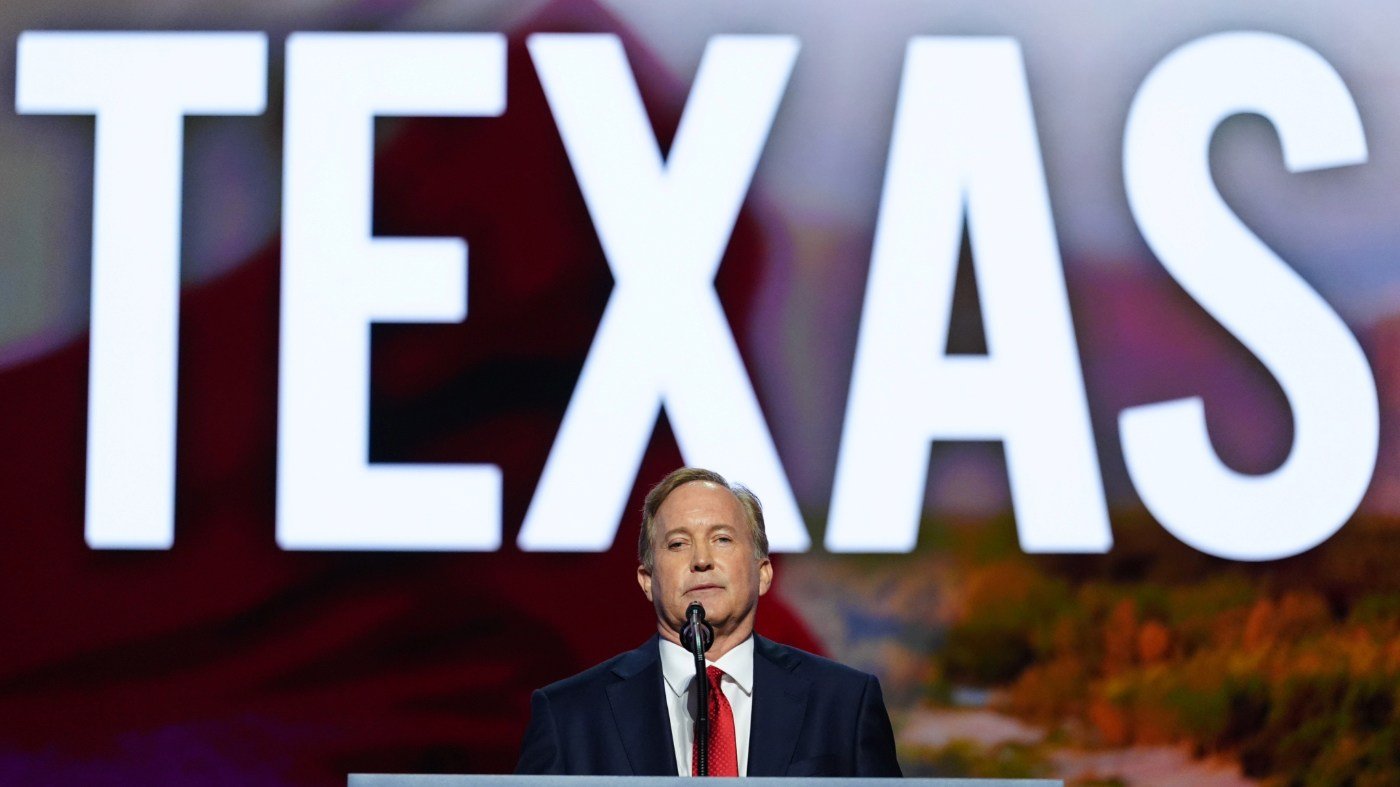
Texas, long a Republican stronghold, has become a surprising battleground. President Trump engineered the primary defeat of incumbent John Cornyn, replacing him with the more polarizing Ken Paxton. In the last ten Texas polls, Democrat James Talarico leads in nine and ties in one, though his average advantage is within the margin of error. Talarico has focused on affordability and presented himself as a new generation of pragmatic leadership. Meanwhile, 39% of Texas voters say their Senate vote is primarily a vote against Trump, according to Marist.
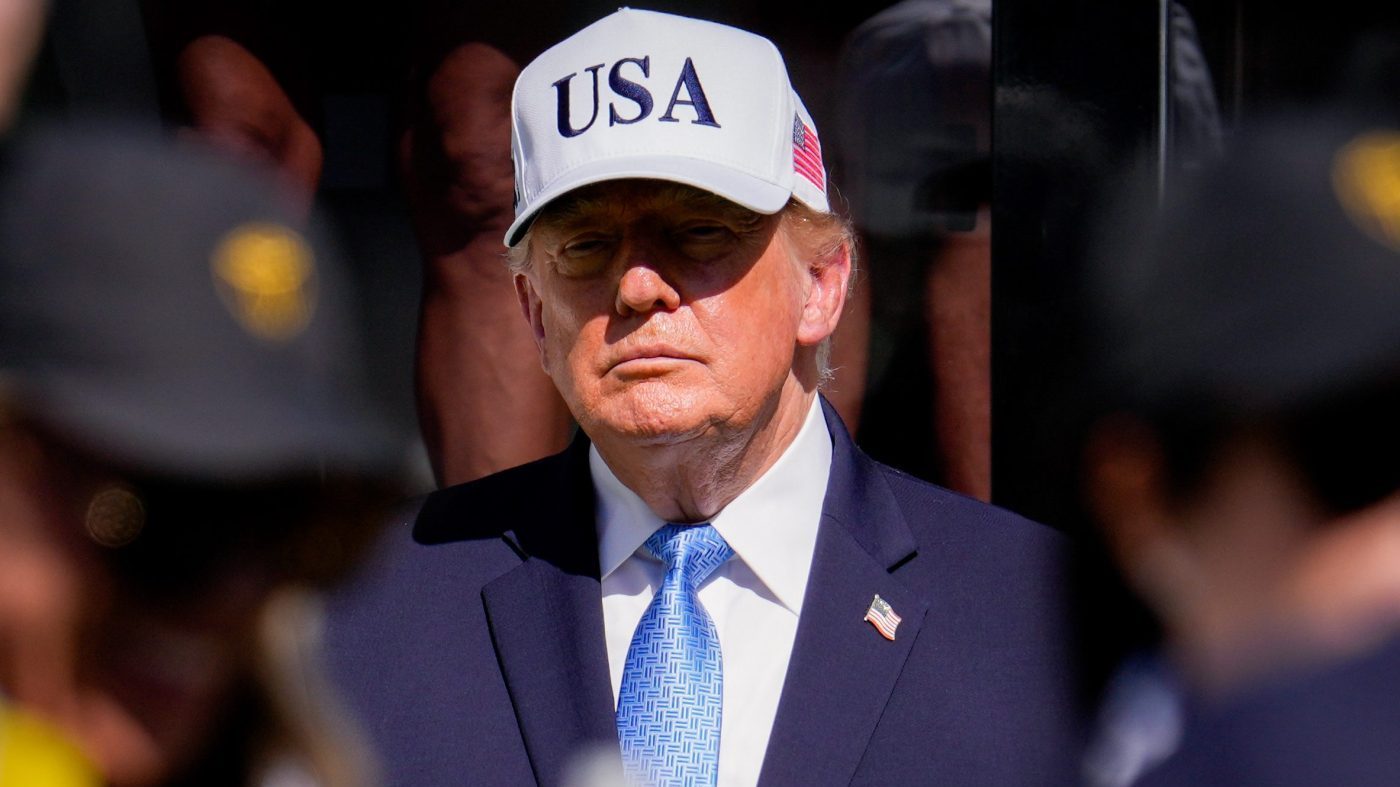
The national environment is toxic for Republicans. Trump's approval rating is 21 points underwater, with fewer than 39% approving. Vulnerable Republicans are already breaking with him. In Michigan, Rogers and Ohio's Jon Husted called for an end to the Iran war, a direct contradiction of Trump's stance. As Trump's Iran policy faces backlash, these public breaks suggest that candidates believe their best chance is to create distance from the president.
Even traditionally safe Republican seats are showing signs of strain. Cook Political Report recently shifted South Carolina and Kansas toward Democrats, citing the impact of high diesel prices on agriculture. Alaska, Ohio, and Iowa are rated toss-ups. The pain at the pump is a major issue, and the administration's EPA rollback of green mandates may not be enough to offset the economic anxiety.
As the campaign enters its final stretch, Democrats are betting that affordability, competence, and checks on Trump will carry the day. Republicans are countering by painting Democratic nominees as extreme, a tactic that may work in some battlegrounds. The most likely outcome remains split control of Congress, but Democrats have both momentum and a credible path to a broader victory. The question is whether they can keep the focus on the issues that created this opportunity.