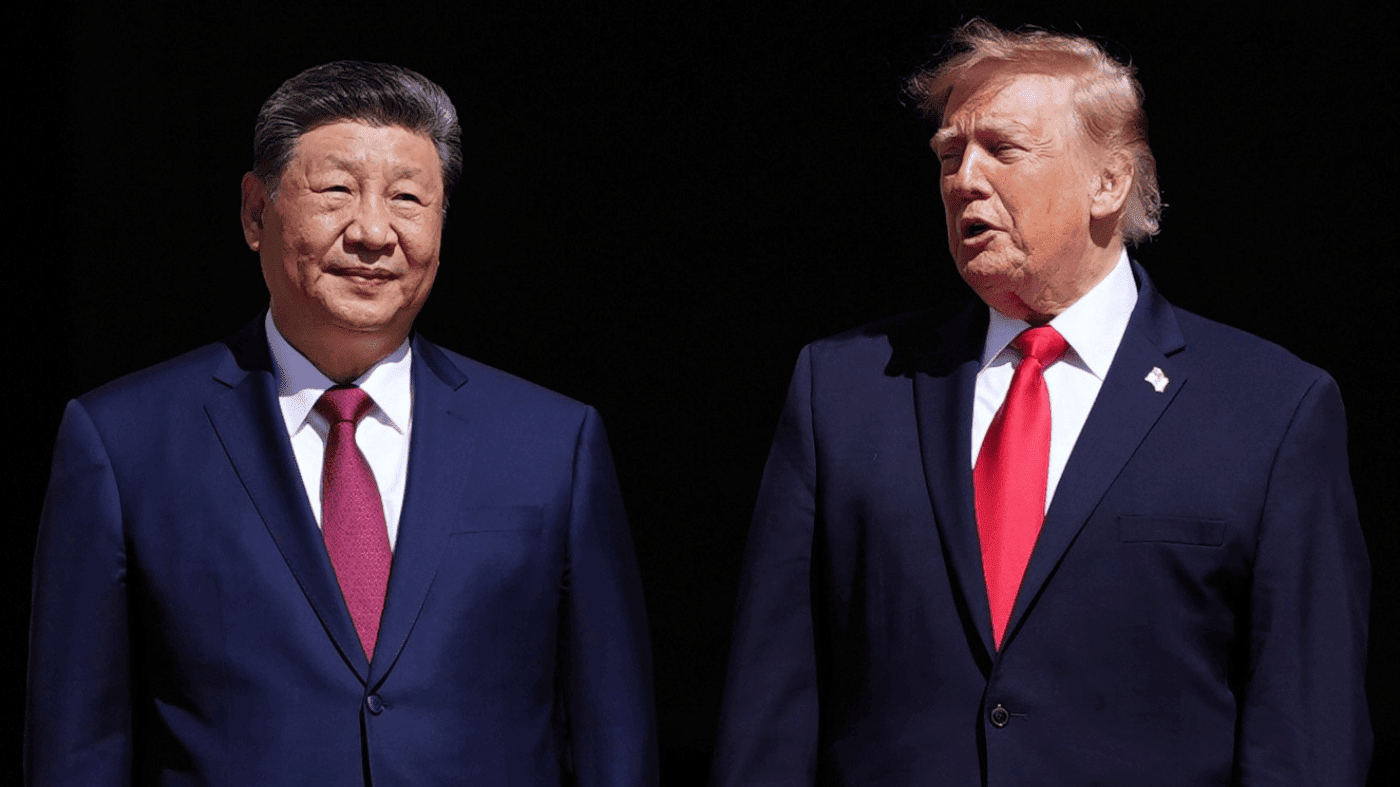
The White House announced on Sunday that the United States and China have each agreed to lower tariffs on $30 billion worth of the other's goods, a concrete step following last week's summit between President Donald Trump and Chinese President Xi Jinping in Washington. The new framework, dubbed the "30-by-30" arrangement, marks a significant thaw in the two countries' trade relationship after months of escalating tensions.
Under the terms, Chinese imports to the U.S. that will see reduced duties include fireworks, kitchenware, flashlights, baseballs and softballs, and fishhooks, according to a list released by the White House. If the lower rates had been in effect last year, they would have applied to nearly 10 percent of all U.S. imports from China, based on U.S. Census Bureau data.
On the American side, U.S. exports to China that will benefit from lower tariffs represent about 30 percent of the $106 billion in goods shipped to Beijing in 2025. Agricultural products make up the bulk of those exports, as reported by CNBC. The reductions are a direct result of the personal rapport between Trump and Xi, who met for the Chinese leader's first state visit to the U.S. since 2015, according to U.S. Trade Representative Jamieson Greer.
"This is a direct result of the strong relationship between President Trump and President Xi," Greer said in a statement on Sunday. He added that the administration "will continue to pursue fair, balanced, and reciprocal trade" with China.
The Washington summit was a follow-up to the two leaders' May meeting in Beijing, where they agreed to establish a U.S.-China "Board of Trade" to handle noncritical items. The new tariff reductions are the first major outcome of that board's work.
Greer emphasized the benefits for American consumers and businesses. "From agricultural products to medical devices, President Trump is unlocking improved market access for about 30 percent of U.S. exports to China, while benefiting consumers with imports from China of household goods, toys, and other products that the United States generally does not import from other countries," he said.
The announcement comes amid broader trade and geopolitical friction, including ongoing scrutiny of Chinese labor practices under Section 301 of the Trade Act of 1974. Greer's office has been investigating those practices, which could lead to further actions if not resolved.
The tariff cuts are seen as a positive signal for global markets, but analysts caution that the truce remains fragile. The two nations have yet to address deeper structural issues, such as technology transfer, intellectual property, and state subsidies. For now, the 30-by-30 framework offers a pragmatic pause in the trade war, with both sides claiming victory.
The White House also highlighted the diplomatic significance of Xi's visit, which included a state dinner that blended American and Chinese culinary traditions. However, the visit was not without controversy, as Chinese press clashed with U.S. journalists and Secret Service at the White House, underscoring the persistent tensions beneath the surface.