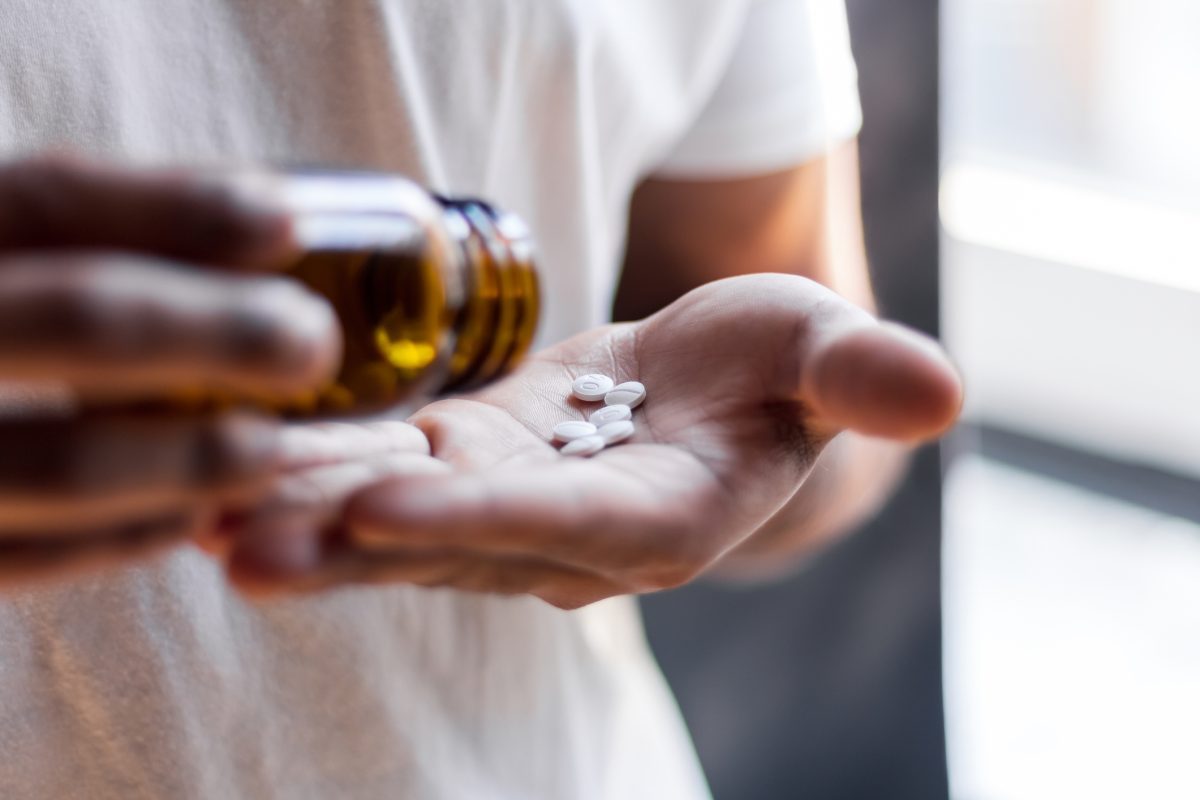
Americans who rely on medication to control hypertension should inspect their prescriptions closely: Inventia Healthcare Limited, a Mumbai-based manufacturer, is pulling 13,567 bottles of chlorthalidone tablets from the U.S. market because the pills may not dissolve as intended, potentially delivering a lower dose than prescribed.
The recall covers 25 mg tablets with batch number RISA24002 and an expiration date of March 2027. The company is voluntarily withdrawing the affected lots nationwide. It marks the second such action by Inventia this year, following a June recall of 11,460 bottles of blood pressure medication that also failed dissolution testing.

Regulatory classification
The Food and Drug Administration announced the recall on September 3 and assigned it a Class II risk level on September 17. That designation applies when a product may cause "temporary or medically reversible adverse health consequences." It stops short of a Class I recall, which is reserved for products that can cause serious harm or death—such as the August recall of 1.6 million cartons of eggs potentially contaminated with salmonella.
Poor dissolution can mean the body absorbs less of the active ingredient, undermining the drug's effectiveness. For patients managing high blood pressure, even a modest reduction in dosage could leave their condition inadequately controlled.
Public health stakes
Nearly half of American adults have hypertension, according to the Centers for Disease Control and Prevention. Defined as a reading of 130/80 mm Hg or higher, elevated blood pressure raises the risk of heart disease and stroke—the leading causes of death in the U.S.—as well as kidney disease, pregnancy complications, vision loss, and dementia.
The CDC estimates that roughly one in six people with hypertension are unaware of their condition, meaning many may not realize they are taking a compromised medication. This recall adds to broader concerns about pharmaceutical supply chains and quality control, particularly as private equity's hospital closures threaten emergency care access nationwide and other pressures strain the healthcare system.
Patients should check their medication bottles for the batch number and expiration date. Those with affected pills should contact their pharmacist or healthcare provider about alternatives. The FDA encourages reporting any adverse effects to its MedWatch program.
Beyond medication
While recalls can disrupt treatment, the CDC continues to emphasize lifestyle changes for preventing and managing high blood pressure. Recommendations include 30 minutes of physical activity five days a week, quitting smoking, limiting sodium and alcohol, eating a healthy diet, maintaining a healthy weight, and managing stress.
As regulators and manufacturers grapple with quality lapses, the incident underscores the importance of robust oversight. The FDA's Class II designation signals that while the risk is not immediately life-threatening, it still warrants attention—especially for a condition as prevalent and dangerous as hypertension.