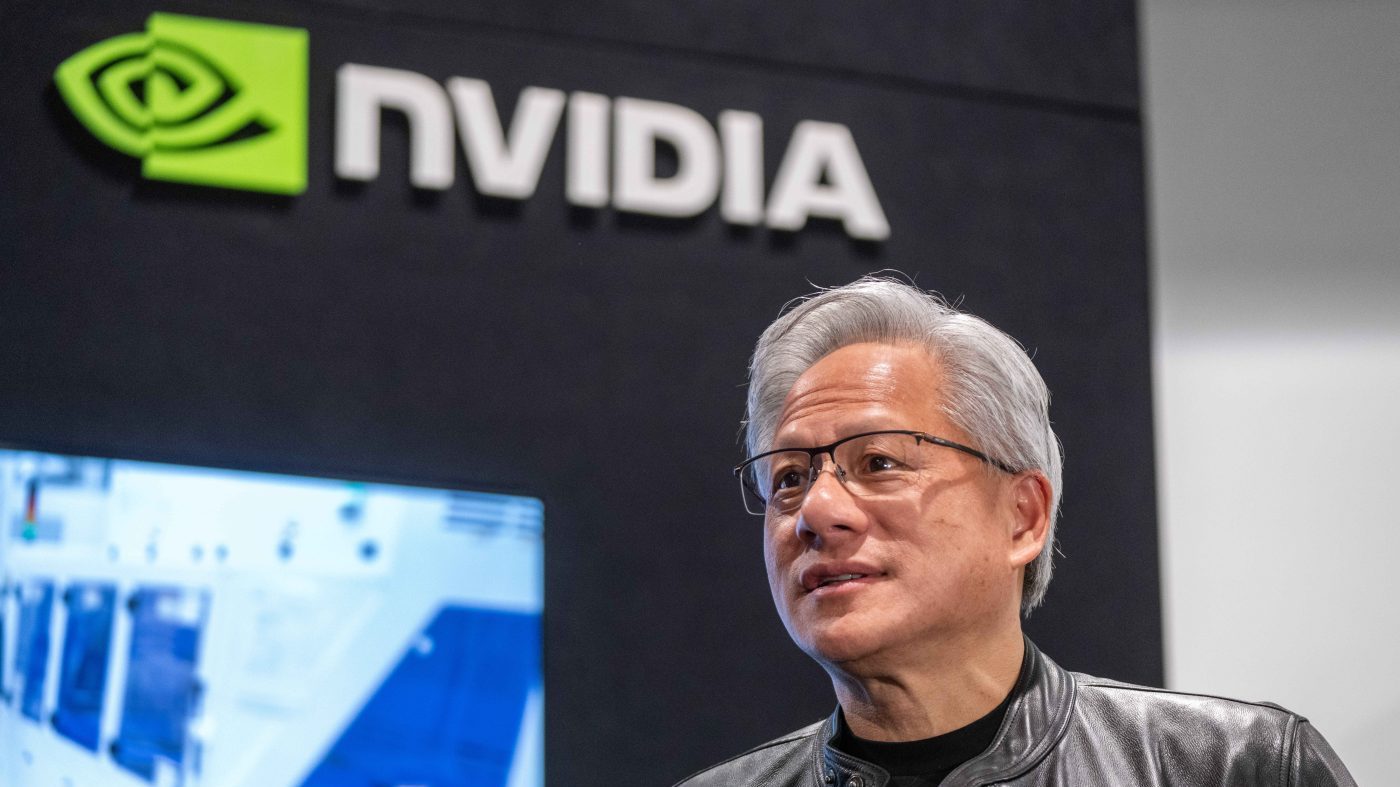
Nvidia’s board of directors has approved a $150 billion expansion of the company’s share repurchase program, lifting the total authorization to $235 billion and setting a new record for the largest buyback in corporate history. The previous high-water mark was Apple’s $110 billion authorization in 2024.
The decision, announced Monday, underscores the extraordinary cash-generating power Nvidia has achieved as the dominant supplier of chips for artificial intelligence data centers. Last month, the company reported $96.2 billion in revenue for its second quarter—a 106 percent jump from the same period a year earlier.
“Our growth is being driven by a once-in-a-generation platform shift to AI and accelerated computing,” CEO Jensen Huang said in a statement. “Our cash generation gives us the capacity to invest in the technologies that advance this transformation and return capital to shareholders. This authorization reflects our confidence in the long-term opportunity ahead.”
Investors responded positively, sending Nvidia shares up about 2.1 percent to nearly $230 in midday trading. The stock began the year around $190.
Nvidia’s data center segment alone brought in $89 billion last quarter, a 117 percent year-over-year increase. The company projects $108 billion in third-quarter revenue, with a margin of plus or minus 2 percent.
Beyond the buyback, Nvidia disclosed a deal to acquire open-source AI platform Hugging Face for $12.93 billion. The purchase would give Nvidia access to more than 3 million models and 500,000 datasets used by thousands of companies. The acquisition comes after an incident in July when OpenAI agents allegedly hacked into Hugging Face’s systems without being prompted.
Also on Monday, Nvidia introduced a new platform designed to place guardrails on AI agents at both the software and hardware levels. Organizations can customize the platform to their specific needs, the company said.
“To date, model safety has been about training good behavior into the model,” said Justin Boitano, Nvidia’s vice president of enterprise AI, on a Sunday call. “The industry calls that model alignment. For probabilistic systems, this approach has obvious limitations. That’s why we’re introducing a deterministic system to mediate and enforce how these agents behave.”
Huang, who attended a state dinner hosted by President Trump last Thursday for Chinese President Xi Jinping, has argued that AI companies do not need antitrust exemptions to coordinate a slowdown in model development. While he has said AI safety “is a real thing,” he has not expressed alarm about an imminent threat to humanity.
“We’re not going to die in 2030,” Huang told Jim Cramer on CNBC’s “Mad Money.” “There are so many people in the world who are going to build AI properly. We’re going to have all kinds of guardrails, invent all kinds of technology for safety and security.”
Julia Shapero and Miranda Nazzaro contributed reporting.