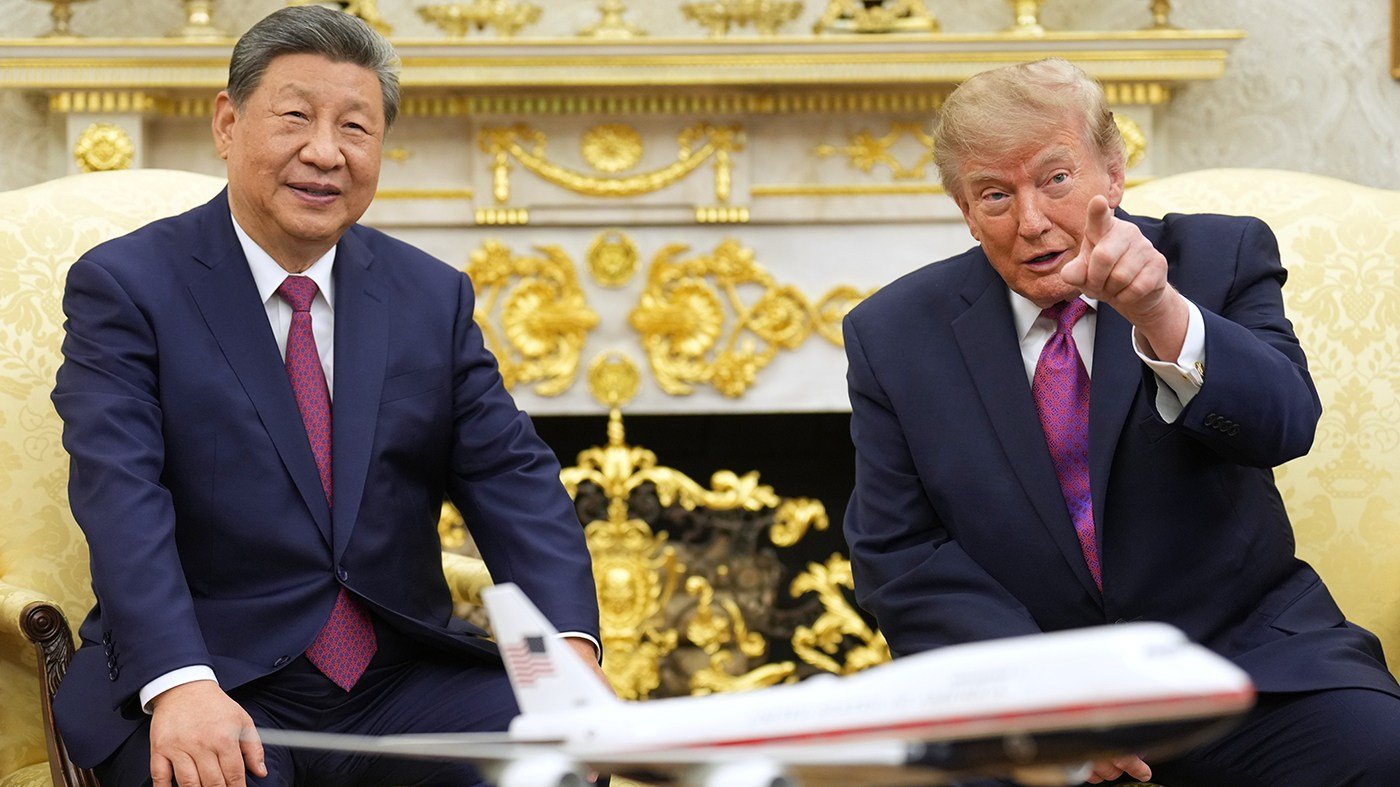
President Trump on Monday flatly denied that he discussed selling American weapons to China during his recent meeting with President Xi Jinping, but then suggested Beijing might be interested in purchasing U.S. military equipment anyway.
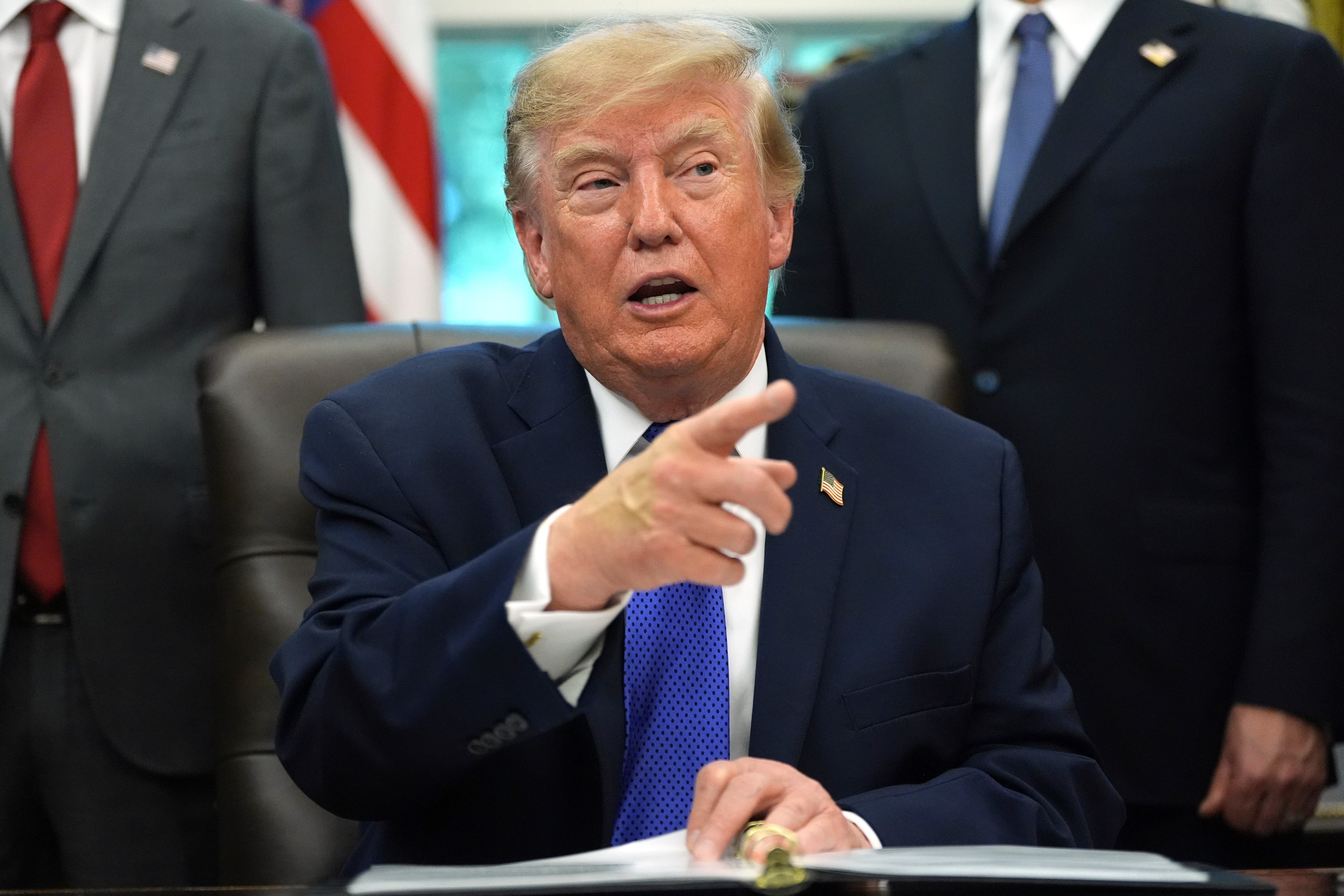
“I never heard of that one,” Trump told reporters when asked about comments from U.S. Ambassador to China David Perdue, who said Sunday that Trump had proposed the idea to Xi. “I don’t have to ask him. You mean we’re going to sell? No, they’d probably like to buy it because we do make better equipment than that, so maybe it’s a good idea. But we didn’t discuss. He may have been talking about Taiwan. I think he probably was talking about that.”
Perdue, appearing on Fox News Sunday with Shannon Bream, claimed Trump raised the possibility of arms sales to China despite longstanding tensions between Washington and Beijing. Perdue said Trump has repeatedly emphasized that the U.S. sells weapons to allies around the world and downplayed the significance of arms sales to Taiwan.
Bream pressed Perdue on bipartisan concerns that the U.S. has delayed delivering weapons and aid to Taiwan as the island faces a growing threat of invasion from China. Perdue rejected the suggestion that the delays were meant to appease Xi, insisting that Trump “is as strong on Taiwan as I’ve ever seen anybody” and that the two presidents will continue talks about U.S. arms sales to Taiwan in the future.
Any U.S. arms sale to China would violate longstanding American law that authorizes weapons transfers to Taiwan for self-defense and to deter a Chinese invasion. The United States does not formally recognize Taiwan as a country, though it strongly supports the island’s security. Successive administrations have maintained a policy of strategic ambiguity, refusing to commit to defending Taiwan if China attacks.
Trump offered a glowing assessment of his meeting with Xi, rating it a “12” out of 10. “Very respectful, very good, great meeting,” he said. He confirmed Friday that he will meet with Xi twice more before year’s end—first at the Asia-Pacific Economic Cooperation summit in Xi’s home country in November, then at the Group of 20 summit in Miami in December.
The president has previously warned China of unspecified “consequences” if it invades Taiwan, but has declined to detail what those might be. In a 60 Minutes interview last November, CBS News’ Norah O’Donnell asked why he wouldn’t specify the consequences. “I don’t want to give away, I can’t give away my secrets,” Trump said. “I don’t want to be one of these guys that tells you exactly what’s going to happen if something happens. The other side knows, but I’m not somebody that tells you everything because you’re asking me a question.”
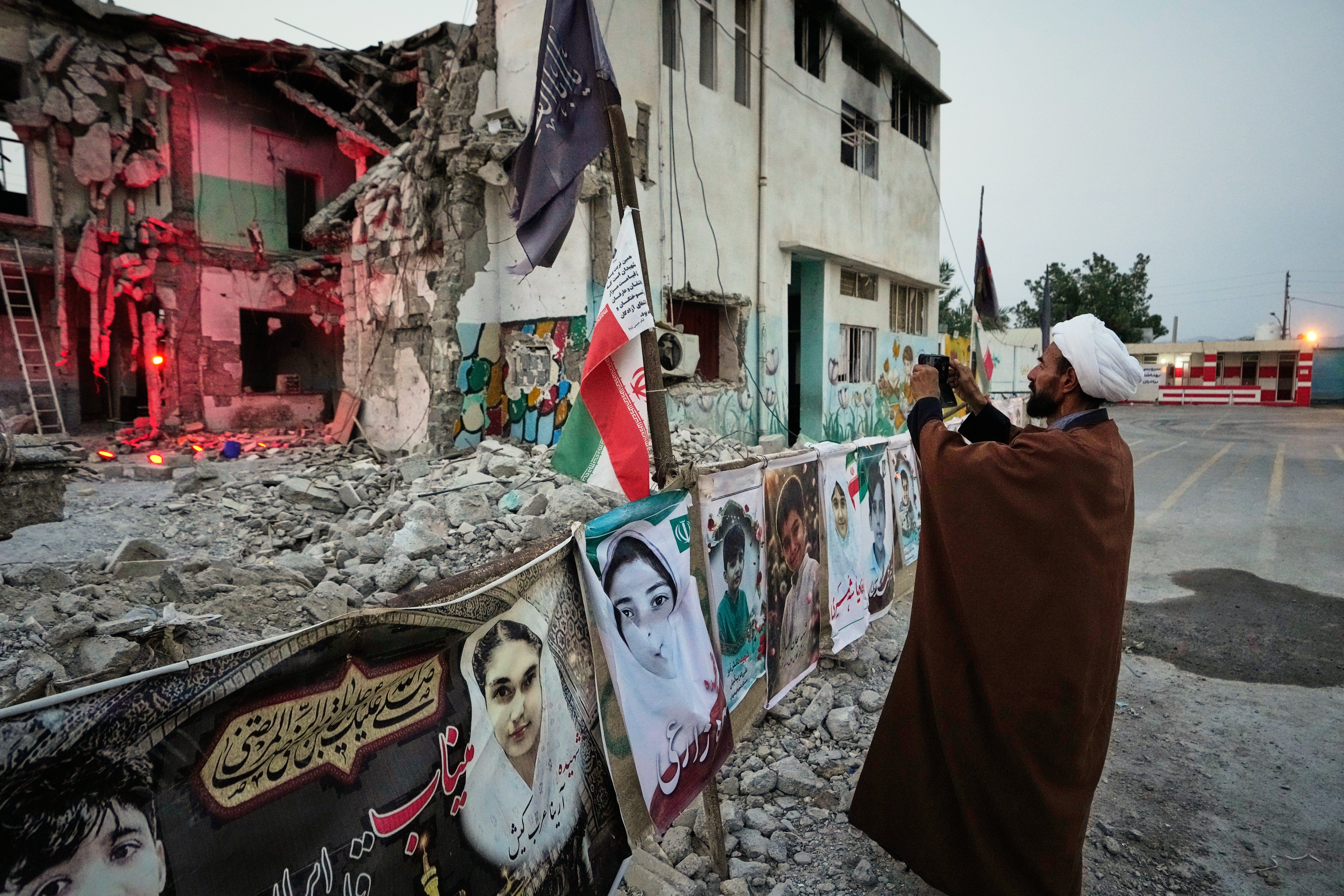
The episode underscores the delicate balance the Trump administration is navigating as it seeks to manage relations with Beijing while maintaining support for Taiwan. It also comes amid broader questions about the administration’s foreign policy priorities, including controversial military actions in the Middle East and rising tensions with Iran.
Mallory Wilson contributed to this report.