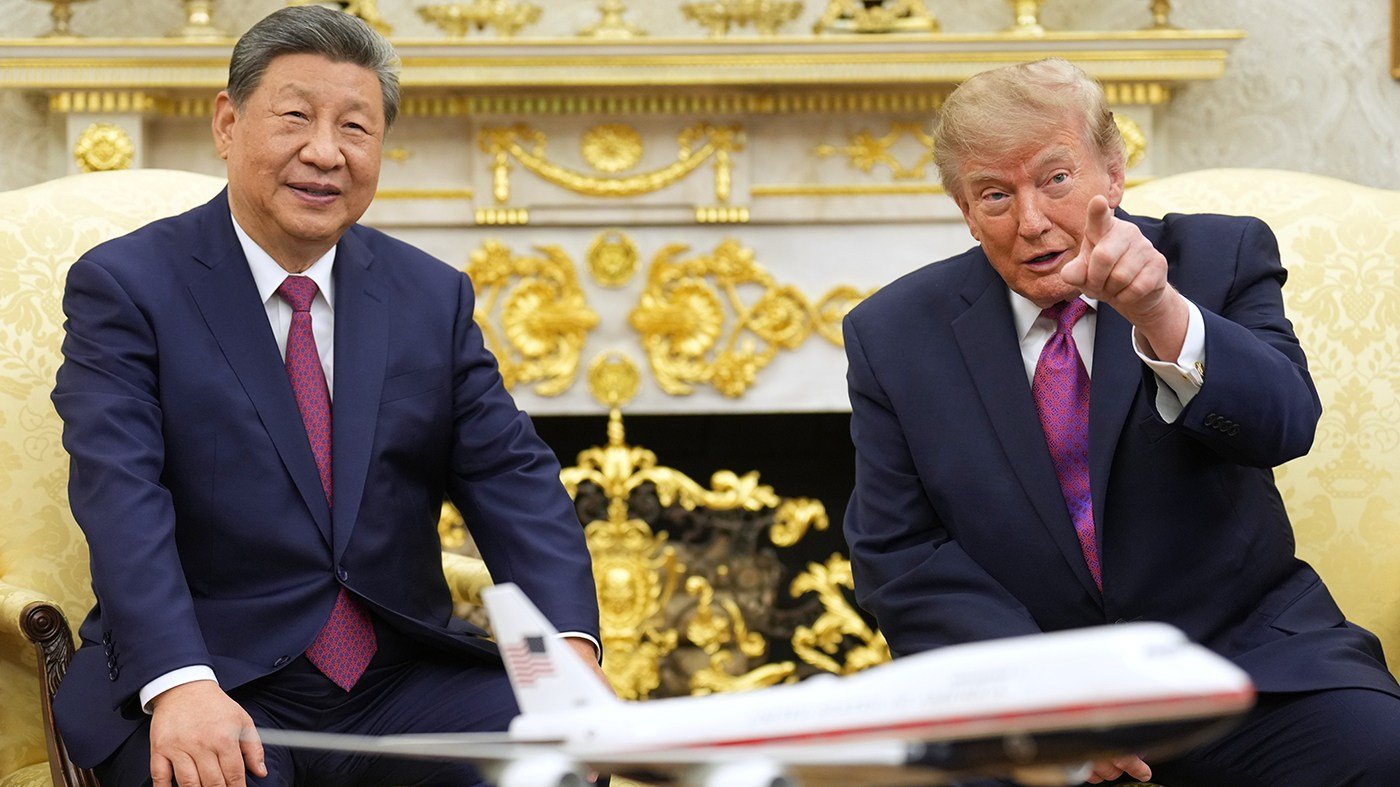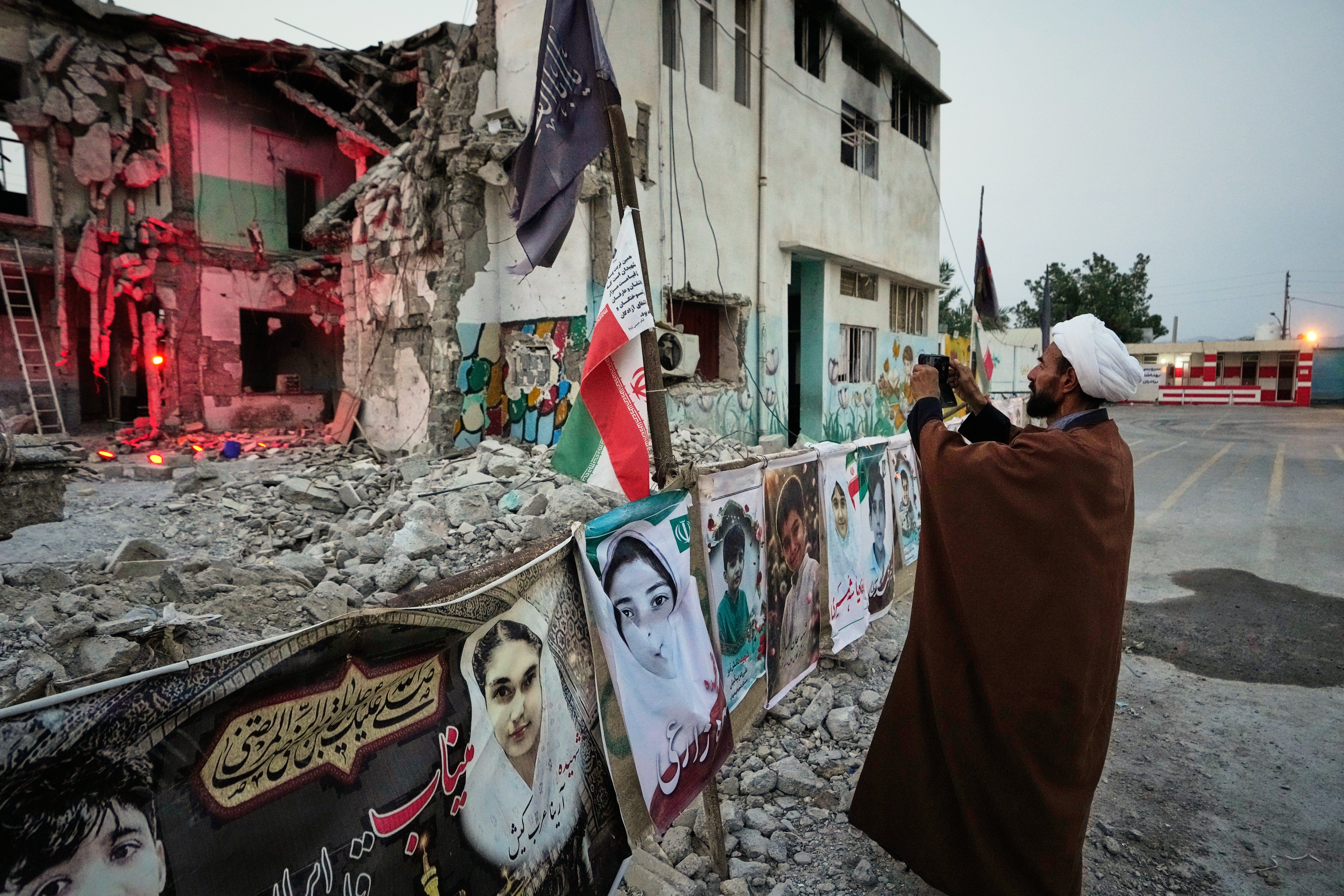
As President Trump addressed the UN General Assembly last week, boasting of American might and threatening to “annihilate” Iran, a newly released UN Human Rights Council report concluded there are “reasonable grounds to believe” that the United States committed war crimes on February 28, 2026—the day Trump launched his military campaign against Iran with an airstrike on a girls' school in Minab, a southern city. The attack killed 157 people, including teachers and children.
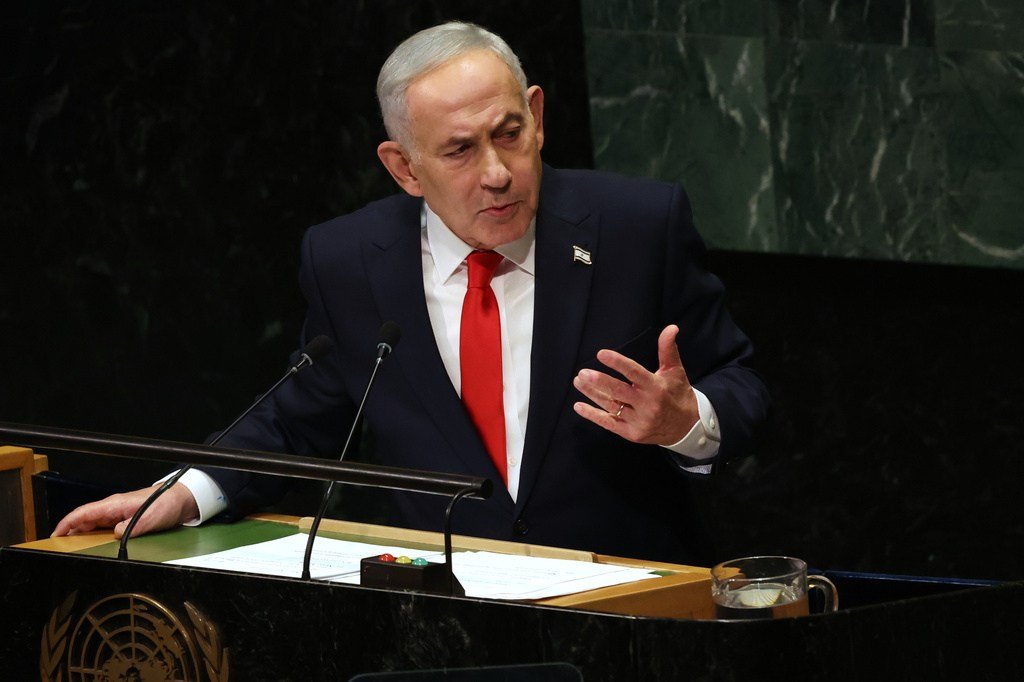
Trump's UN speech was marked by open disdain for international law and the UN's principles, mocking the idea that rules should govern global affairs. He proclaimed, “I have used strength to make America the most powerful country in the world,” and added, “to the victor belong the spoils.” The latter phrase, a relic of the Gilded Age, was once used by robber barons who colluded with corrupt politicians to enrich themselves at the public's expense—an echo that some observers found fitting for the current administration.
UN Secretary-General António Guterres responded directly to Trump's remarks, posing the question: “Will we act to ensure that power is governed by law or by force? By cooperation or coercion?”
The UN report, compiled by independent human rights experts, detailed the strike on the school, including photographic and satellite evidence showing children gathered in the courtyard, classrooms with educational materials, and murals painted on the walls. Survivors recounted that the school was hit twice: the first munition struck the lower floor, prompting staff to move students to an upper-floor prayer room, where a second munition then struck. The final toll: 123 children, all aged 13 or younger, along with 26 female educators, seven parents, a bus driver, and a pharmacy technician.
The report was unequivocal: the school was the intended target, not a case of collateral damage. Video from the aftermath showed a man holding a child's severed arm, bloodied backpacks, and the dismembered bodies of victims. Several families lost more than one child.
The Trump administration has not publicly accepted responsibility for the atrocity, and Trump has at times suggested Tehran was to blame. Meanwhile, the International Criminal Court in The Hague has issued indictments for 74 individuals, including Vladimir Putin and Benjamin Netanyahu, for war crimes and crimes against humanity. Legal experts argue that Trump and his officials could face similar charges, especially given the UN's findings and other alleged actions, such as deadly boat strikes in the Caribbean and Pacific and the invasion of Venezuela, which reportedly killed numerous civilians during the arrest of Nicolás Maduro.
Most nations at the General Assembly likely knew of the report, and it is hoped that Americans, too, are aware of the horrific details. Yet such tragedies often fade into abstract statistics, as the public and media shy away from confronting the human cost. The UN report, however, brings those costs into stark relief—names, faces, and the lives of children cut short.
As the international community weighs its response, the call for accountability grows louder. Bennett L. Gershman, a distinguished law professor at Pace University, argues that the evidence warrants an indictment. The world is watching whether the promise of “never again” will hold any meaning.