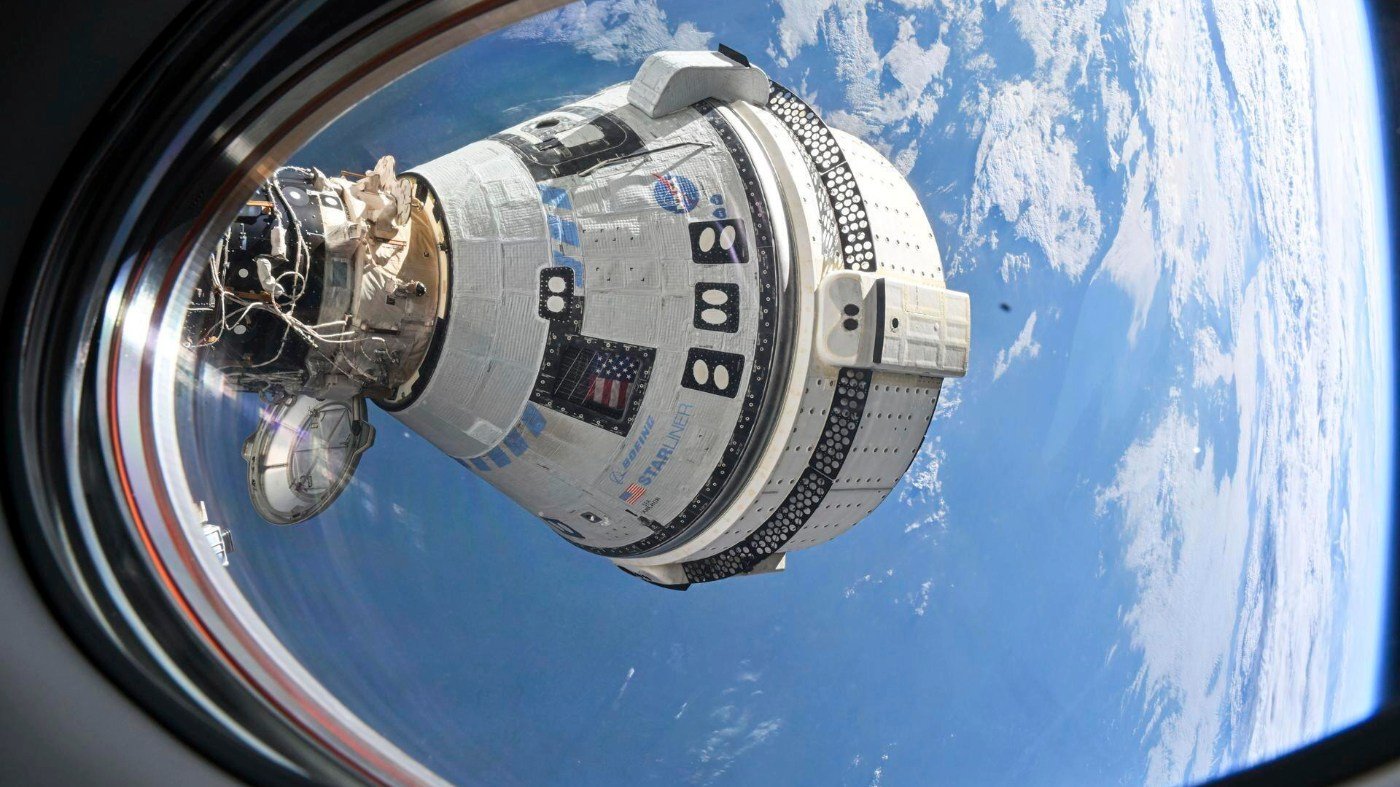
NASA and Boeing are set to brief reporters Monday afternoon on the future of the Starliner spacecraft, following a first crewed test flight that encountered significant technical problems. The update, scheduled for 3 p.m. EDT, will center on the program's development and its path toward routine crewed missions to and from the International Space Station (ISS), according to the space agency.
Among those expected to speak are NASA Administrator Jared Isaacman and Boeing Starliner program manager John Mulholland. Their remarks come as the agency and its commercial partner seek to reassure stakeholders about the spacecraft's viability after a series of setbacks.
Starliner's Troubled First Crewed Flight
Starliner's inaugural crewed test flight lifted off in June 2024 with NASA astronauts Butch Wilmore and Suni Williams aboard, bound for the ISS. However, thruster malfunctions and helium leaks emerged during the mission, prompting NASA to decide that the capsule should return to Earth without its crew. The two astronauts remained on the station for nine months before a SpaceX Dragon capsule finally brought them home in March 2025.
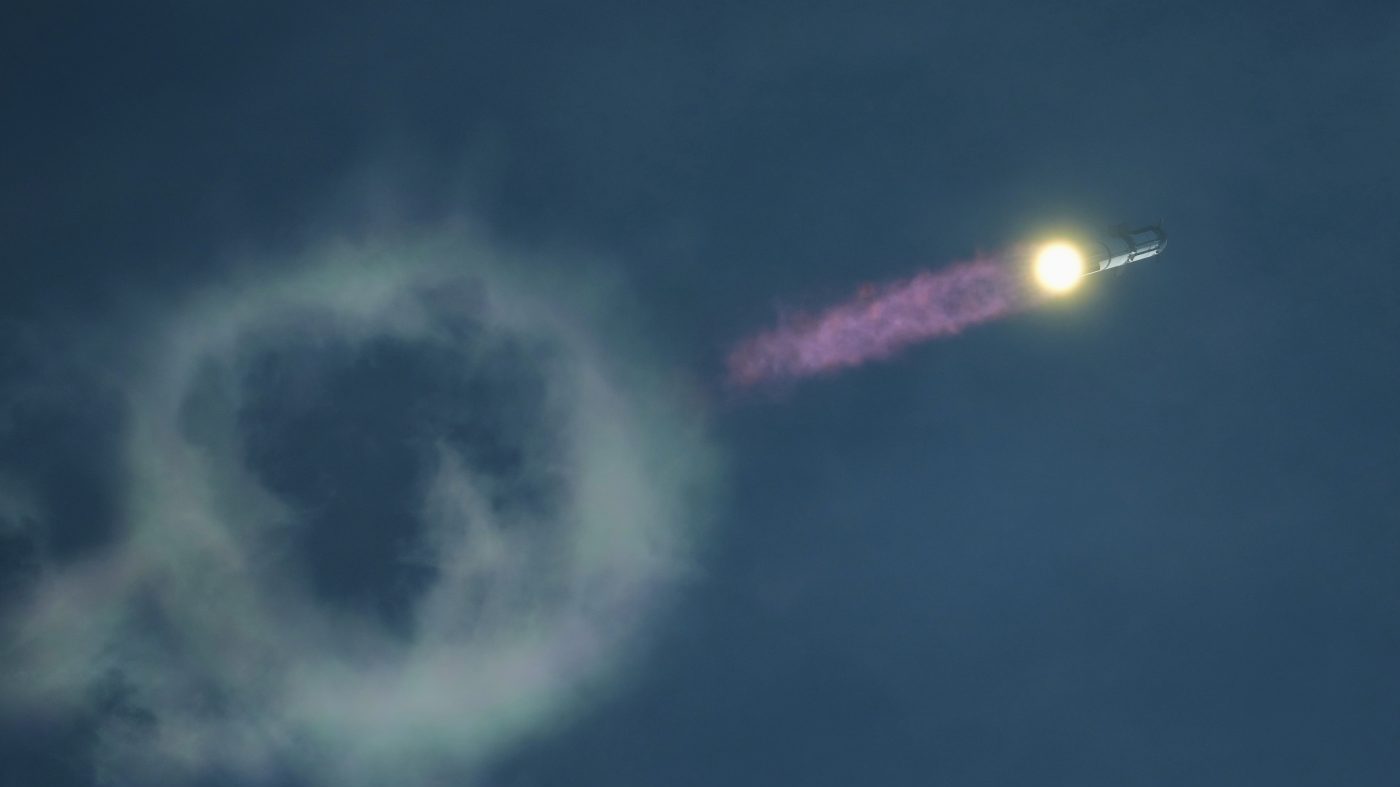
The incident raised questions about Boeing's technical readiness and the redundancy of NASA's commercial crew capabilities. It also highlighted the growing reliance on SpaceX for crew transportation, a dynamic that has intensified as the company notched another milestone just hours before Monday's briefing: the first orbital launch of its Starship rocket. That achievement, by Elon Musk's firm, underscores the competitive pressures facing Boeing in the commercial space sector.
Path to Regular Crewed Flights
Monday's briefing is expected to outline the steps Boeing must take to certify Starliner for regular operational missions. NASA has emphasized that safety remains paramount, and any return to flight will depend on resolving the thruster and leak issues that plagued the test flight. The agency has not set a firm timeline for the next Starliner mission, but officials have said they are committed to having two independent crew vehicles.
The update also comes amid broader debates about the future of space policy and defense cooperation. As alliances weigh future warfare strategies, the intersection of commercial space and national security remains a key concern for policymakers. NASA's reliance on private partners like Boeing and SpaceX is part of a larger trend toward commercialization in areas once dominated by government agencies.
For Boeing, the Starliner program represents both an opportunity and a reputational risk. The company has faced scrutiny over its performance in other sectors, including regulatory failures in animal welfare, and the space division's troubles add to pressure on its leadership. Meanwhile, the rapid advancement of AI and autonomous systems is reshaping expectations for spacecraft design and operation.
What to Watch
During the briefing, officials are likely to face questions about the cost overruns and delays that have dogged Starliner, as well as the implications for NASA's budget and its commercial crew strategy. They may also address how the program fits into broader efforts to maintain a continuous human presence in low Earth orbit, especially as the ISS approaches the end of its operational life.
Starliner's next steps will be closely watched by lawmakers and industry observers alike. A successful return to flight could restore confidence in Boeing's ability to deliver on its contracts, while further setbacks could prompt calls for NASA to reconsider its approach to crew transportation. For now, the agency and Boeing are projecting determination to see the program through.
The briefing will be streamed live, and updates are expected to provide clarity on when Starliner might fly again with astronauts aboard.