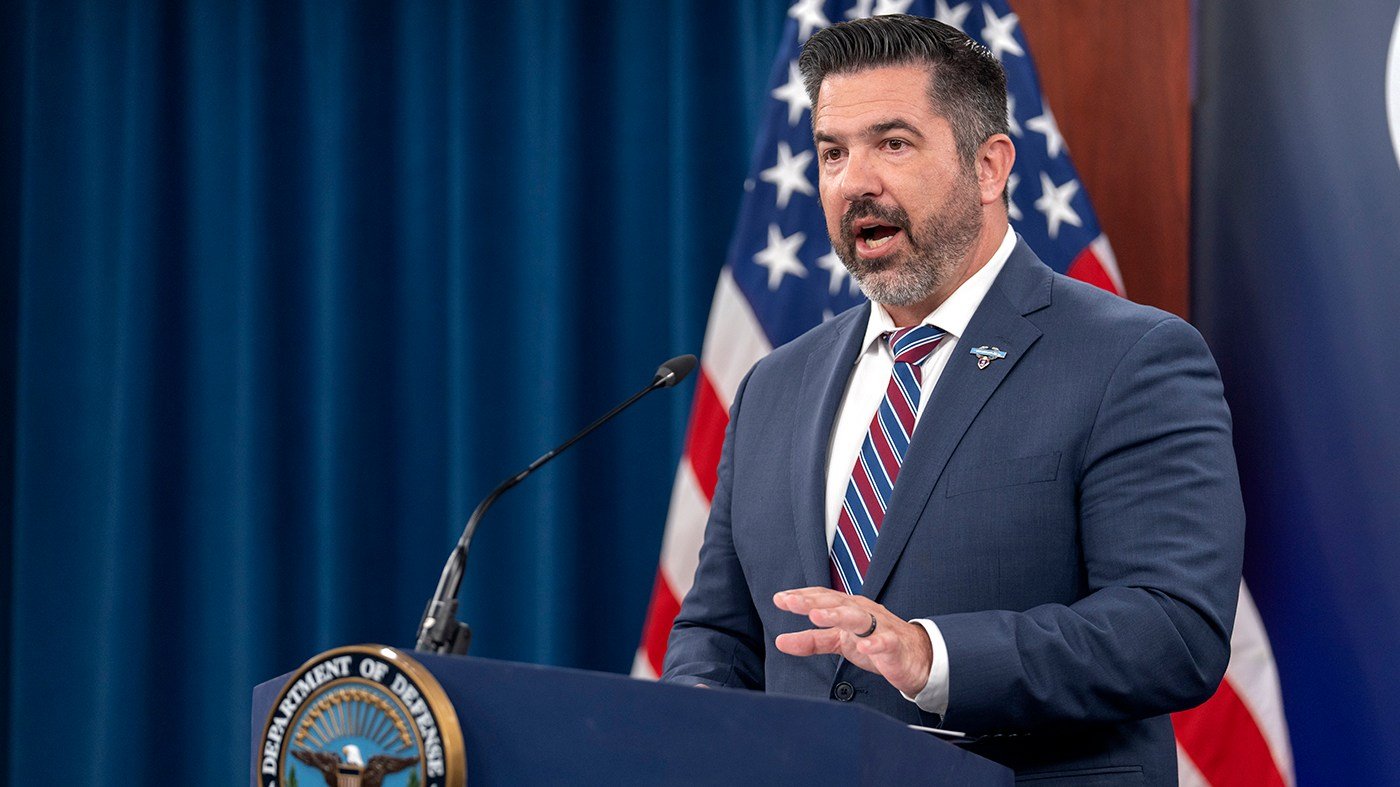
The London Defense Conference, held in Washington for the second year, convened defense officials and strategists to grapple with a pressing question: can the West actually win future wars, not just individual battles? Established in 2022 in response to Russia's invasion of Ukraine, the conference is dedicated to strengthening defense against evolving threats from authoritarian regimes. But the discussions this year exposed deep unease about the West's track record and its readiness for the conflicts ahead.
Since the Cold War, the West's military successes have been limited. The Falklands War in 1982 stands as a rare victory, when Prime Minister Margaret Thatcher ordered the Royal Navy to sail 6,000 miles to reclaim the islands from Argentina. In contrast, the United States has faced setbacks in Vietnam, Iraq, Afghanistan, and now Iran, where the war has proven disastrous. The ongoing conflict in Ukraine also raises questions: can 29 million Ukrainians hold off Russia, with its population of over 140 million and its willingness to sustain massive casualties?
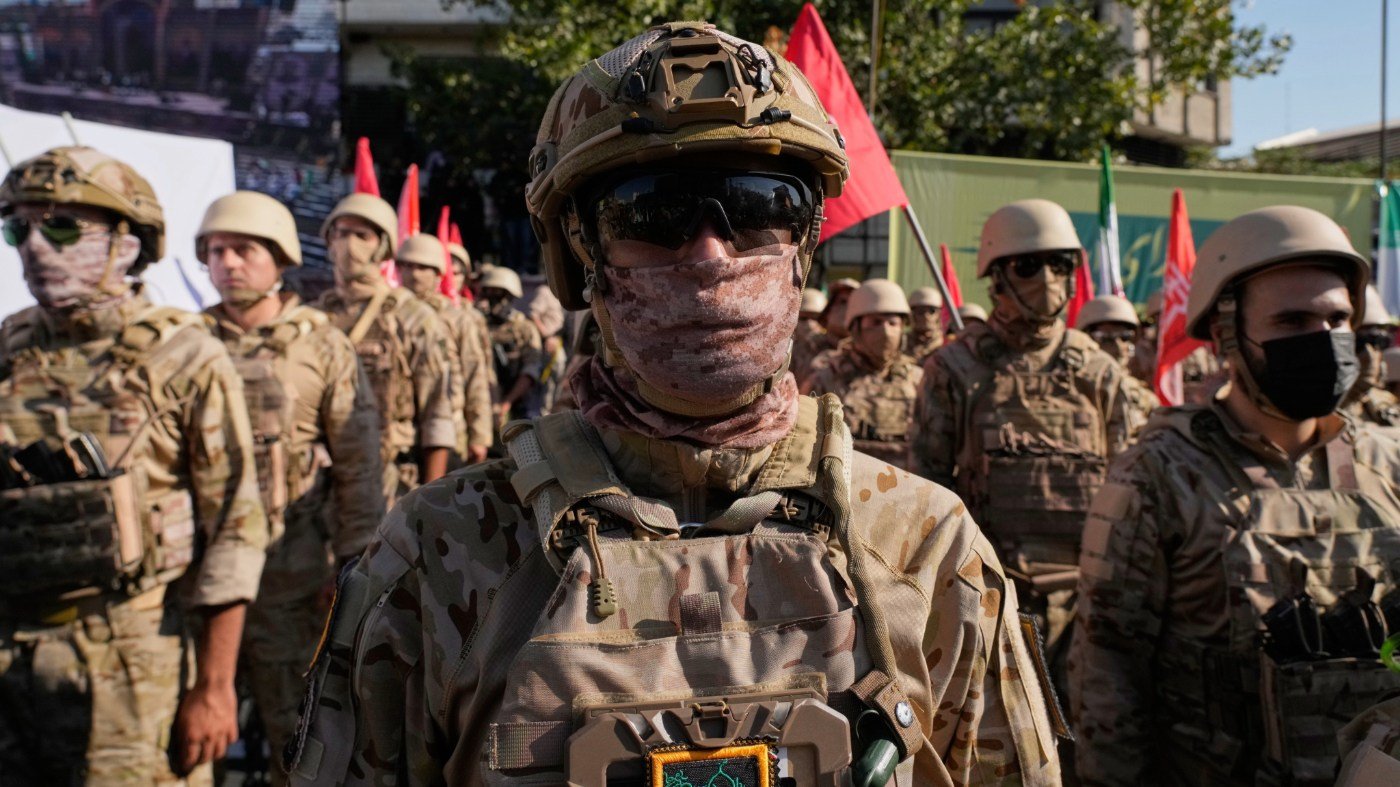
The nature of warfare has changed dramatically. Drones, missiles, and artificial intelligence have leveled the battlefield, giving weaker states and non-state actors formidable capabilities. Yet these technologies come at a steep price. A single SM-3 interceptor missile costs over $27 million, making it an expensive counter to a relatively cheap ballistic missile. In response, there is a growing push for cheaper weapons and uncrewed systems, echoing the adage: never send a man where you can send a bullet. Unmanned surface, subsurface, and aviation units could save lives, but their costs are rising, and in Ukraine, drones have become deadly killers on both sides.
The conference initiated a critical dialogue about the United States' strategic failures. As I have written before, America has lost every war it has started since World War II, regardless of which party controlled the White House. The causes are consistent: a lack of understanding about how military force achieves strategic outcomes, hubris in the belief that American superiority guarantees victory, and a tendency to project our own assumptions onto adversaries. Political expediency and bureaucratic inertia compound these errors.
From Vietnam, where President Lyndon Johnson cited an imminent communist threat, to Iraq, where Saddam Hussein's weapons of mass destruction never materialized, the justifications for war were flawed. In Afghanistan, the mission to hunt Osama bin Laden morphed into an impossible nation-building effort. The current administration's attack on Iran failed to anticipate the near-certain closure of the Strait of Hormuz or Tehran's retaliation against Gulf allies and expansion into Yemen.
Both Republican and Democratic administrations have made these mistakes. To avoid repeating them, the United States must adopt a more rigorous approach to threat assessment. The primary adversary is now China, with the U.S. policy of strategic ambiguity aimed at deterring an invasion of Taiwan. Meanwhile, Europe fears that after Ukraine, Vladimir Putin might target the Baltic states or even Svalbard off Norway's coast. But are these fears exaggerated, much like the monolithic communist threat of the 1960s or the Iraqi WMD claims?
As Ronald Reagan famously said, "trust, but verify." Before taking any future action that we may regret, we must verify that China and Russia are indeed the threats we believe them to be. This means analyzing the possibilities with clear eyes and avoiding the hubris that has led to past failures. The stakes are too high for another misstep.