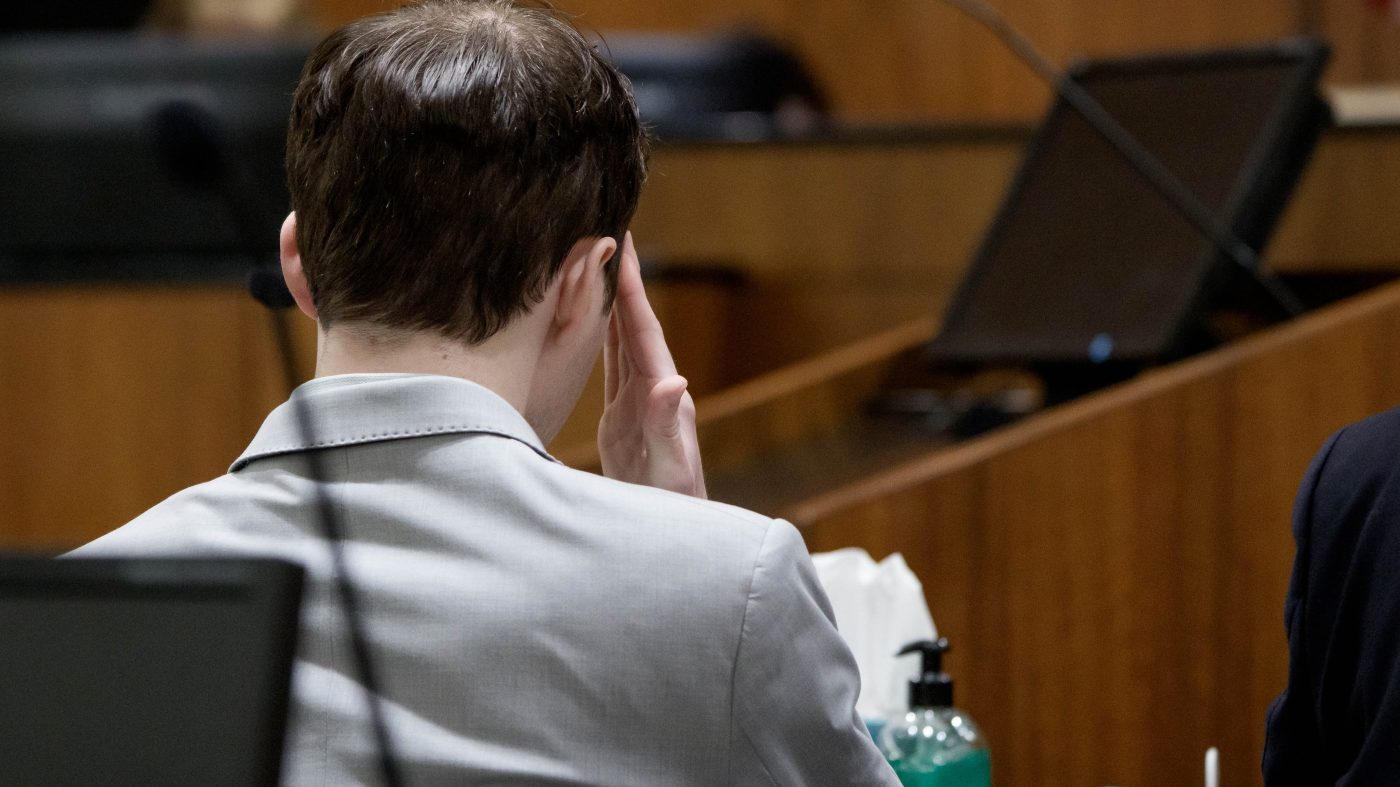
Attorneys for Tyler Robinson, the man charged with fatally shooting conservative commentator Charlie Kirk at a Utah Valley University event last year, are pushing back against the state's attempt to seek the death penalty, arguing that the attack was narrowly targeted and posed no threat to the thousands of attendees.
In court filings submitted Tuesday, Robinson's legal team contends that the evidence shows he "hit the intended target" and that no other individuals were in the line of fire. This assertion is central to their argument that prosecutors cannot meet the burden for aggravated murder, a capital offense in Utah that requires at least one statutory aggravating factor.
Prosecutors have cited the risk of death to others as the aggravating factor, alleging that Robinson's actions endangered the crowd at the event. However, the defense maintains that the evidence, including ballistics and witness accounts, demonstrates that the bullets traveled above the crowd rather than through it, contradicting the state's claim.
"The only evidence presented supports that the bullets traveled above, not through, the crowd," Robinson's lawyers wrote in the filing. They also noted that a review of communications between Robinson and his roommate and romantic partner, Lance Twiggs, revealed "no mention of any threat or intended harm to any other individual(s)."
The defense's motion also challenges the prosecution's assertion that Robinson was motivated by Kirk's political beliefs. In previous hearings, prosecutors cited messages in which Robinson allegedly wrote he "had enough of his hatred. Some hate can't be negotiated out." But Robinson's attorneys argue these statements refer to a general sense of animosity, not specifically to Kirk's political ideology.
"These circumstances are not sufficient to establish, even by probable cause which if any political express of Mr. Kirk motivated Mr. Robinson to select Mr. Kirk for an act of violence," the filing states.
The case has drawn national attention, given Kirk's prominence as a conservative voice and the circumstances of the shooting, which occurred during a campus event. The legal wrangling over the death penalty is a critical juncture, as it could determine the ultimate stakes for Robinson if he is convicted.
Robinson has not yet entered a plea. A hearing is scheduled for September 1 before Utah District Judge Tony Graf, according to the Associated Press.
This development comes amid broader debates over the use of capital punishment, with some states reconsidering the practice. In a related context, a recent New Mexico judge's $567 million penalty against Meta over teen harm highlights how legal systems are grappling with accountability in high-stakes cases, though the issues are distinct.
Legal experts note that the defense's strategy of narrowing the scope of the alleged crime is a common approach in capital cases, aiming to eliminate aggravating factors that could make the defendant eligible for the death penalty. If successful, Robinson would face a maximum sentence of life in prison without the possibility of parole, rather than execution.
The case also underscores the heightened security concerns around public figures and political events, a topic that has gained urgency following the death of Senator Graham, which left GOP hawks scrambling for influence in the national security arena.