Independent election analysts and pollsters are rejecting the notion that Democrats are riding an artificial polling surge, arguing instead that a range of indicators points to a favorable midterm landscape for the party.
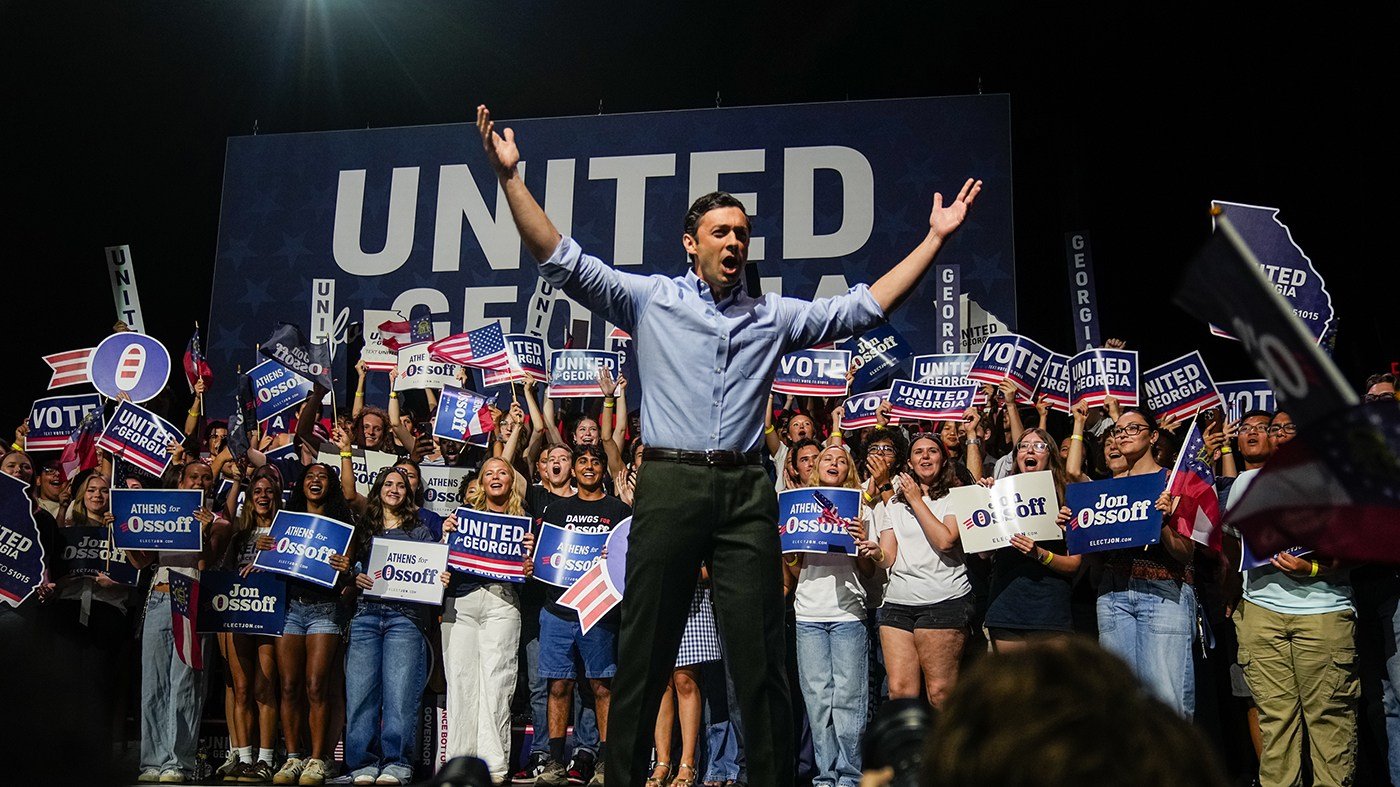
The nonpartisan Cook Political Report this week became the latest handicapper to project that Republicans are on track to lose the House in November. Recent surveys also show Democratic Senate candidates like James Talarico in Texas and Abdul El-Sayed in Michigan leading their Republican opponents. Decision Desk HQ now gives Democrats a 72 percent chance of winning the House and a 54 percent chance of flipping the Senate.

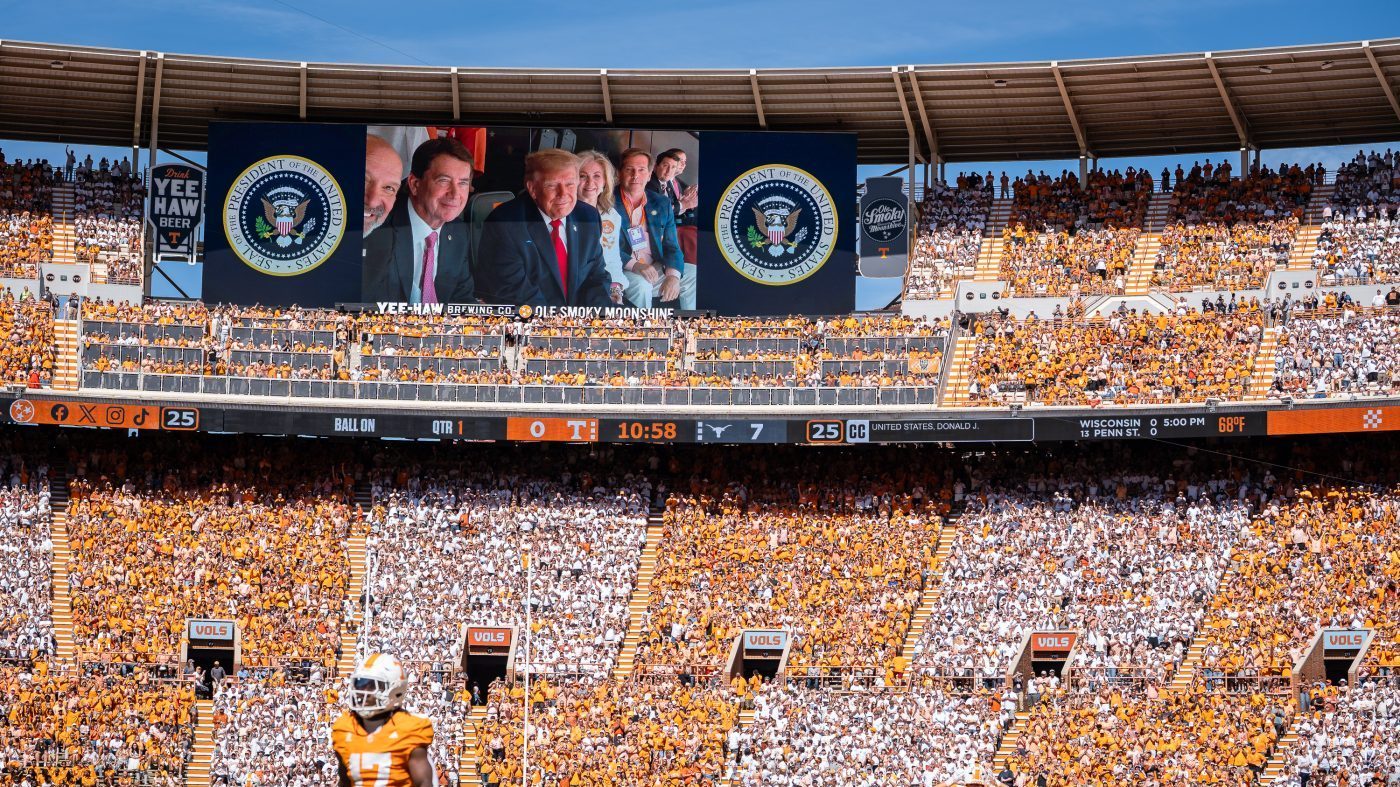
Experts caution that the dynamics could shift before Election Day, particularly depending on how Republicans deploy their financial edge in battleground states. But they stress that polling is not the only signal of a strong Democratic cycle. They point to President Trump's sagging approval ratings, Democratic enthusiasm in primaries, and Republican candidates openly distancing themselves from the president.
"[Trump] keeps saying, 'I'm on the ballot. I'm on the ballot.' And it's like, I hope, God willing, you're on the ballot. I hope you're on the ballot. We're going to drive that home," said veteran Democratic pollster Celinda Lake.
Analysts broadly expect Democrats to take the House this fall, with many viewing Senate control as a pure toss-up—a scenario that seemed far-fetched a year ago. Democrats need a net gain of three seats to claim the Speaker's gavel. Three independent handicappers offer a range of possibilities for the lower chamber: Inside Elections projects a pickup of two to 10 seats; Cook Political Report sees five to 15; and Miles Coleman of Sabato's Crystal Ball at the University of Virginia Center of Politics told The Hill he could envision Democrats reaching into the 220s or "they just kind of blow past all of their targets."
Polling analyst Nate Silver's Silver Bulletin generic congressional ballot average has shown Democrats gaining more than a point this month. An Emerson College Polling survey released this week, conducted in partnership with The Hill, found Democrats with an 11-point lead on the generic ballot, up from an 8-point edge last month. Still, some Democrats are skeptical of double-digit leads, and experts note that generic ballot polls do not capture the nuances of individual battleground House races.
"The generic ballot can give us a window into the political environment, but there's no such thing as a generic congressional race," explained Nathan Gonzales, editor and publisher of Inside Elections. "These are candidates with strengths, weaknesses, different levels of fundraising, different levels of name ID, different levels of baggage," he added.
Even Republican pollsters acknowledge a Democratic edge in competitive swing districts, though narrower than national numbers suggest. "If you look at the swing districts, it's a much closer generic ballot with the Democrats leading by two or three points rather than eight or nine," said GOP pollster Whit Ayres.
The Senate is more volatile because races are more candidate-specific, with greater emphasis on local and state issues. Nevertheless, Inside Elections projects Democrats are likely to gain control of the upper chamber, picking up two to four seats.
How strong a political environment November will be for Democrats remains uncertain. Some Democratic and independent pollsters foresee a blue wave, while others are more circumspect. Republicans still hold a significant financial advantage, boosted by President Trump's super PAC, MAGA Inc, which could tighten some races. Experts also point to clear metrics favoring Democrats now: Trump's approval ratings have fallen into the 30s and even upper 20s, and high prices on everything from gas and diesel to fertilizer—driven by the U.S. war in Iran and the Trump administration's tariff policies—have angered voters, prompting even some Republicans in reliably red areas like Kansas and Iowa to break with the president publicly.
"You see [Sen.] Roger Marshall saying, 'Oh, well, actually, [U.S. Immigration and Customs Enforcement] has kind of overstepped its boundaries,'" Coleman of Sabato's Crystal Ball said. "In a solidly red state like that, that's not necessarily something you know you might not expect a Republican to take such a nuanced position there," he added.
Gonzales also noted that Republican spending patterns offer another clue to the political environment, pointing to Trump-affiliated groups like No Going Back PAC spending money in Texas's newly redistricted 9th Congressional District. Cook Political Report rates that seat as having a nine-point Republican partisan edge.