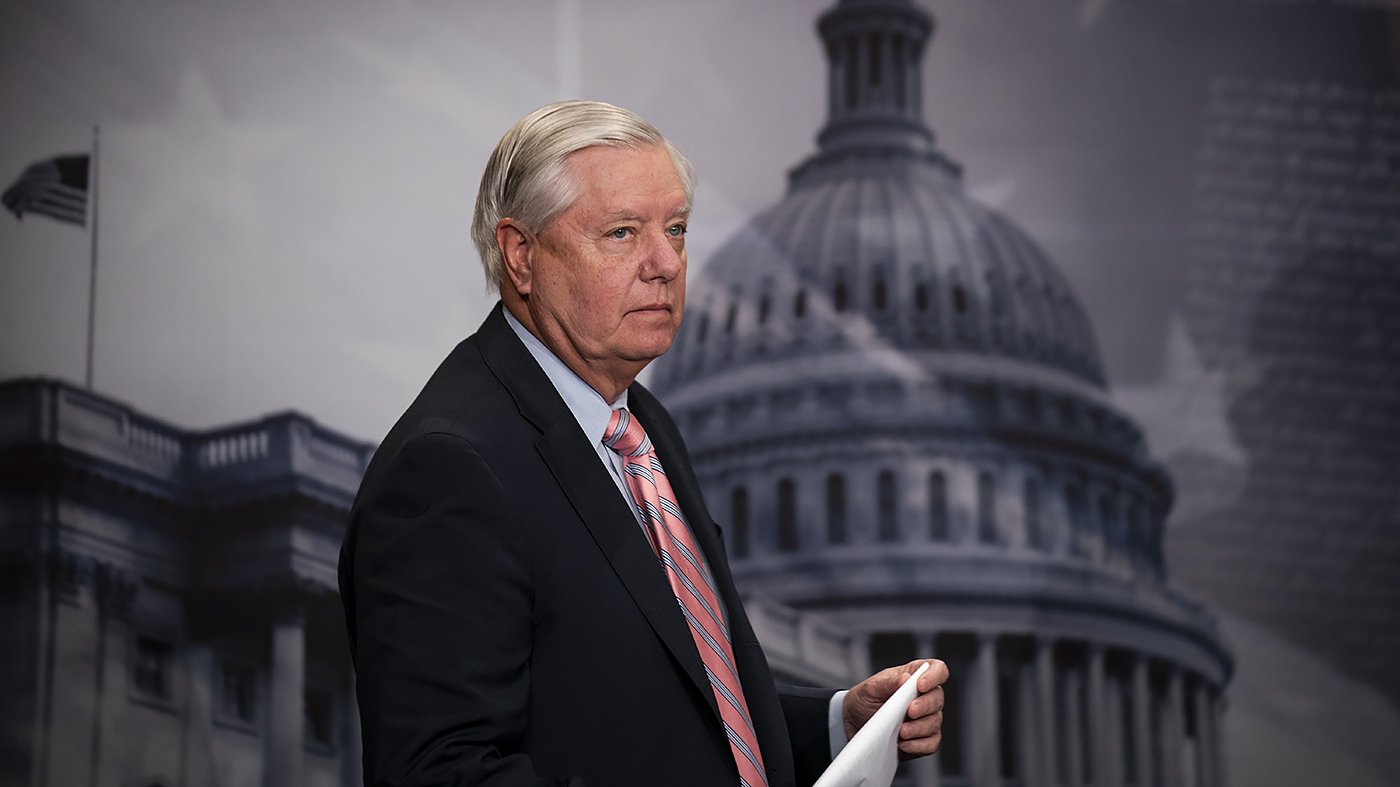
The death of Sen. Lindsey Graham (R-S.C.) has created a significant gap in the Senate GOP's hawkish wing, just as President Trump navigates ongoing conflicts in Iran and Ukraine. Colleagues acknowledge that no single lawmaker can replicate Graham's unique blend of closeness to the president and bipartisan friendships, which made him a pivotal figure in shaping U.S. foreign policy.
Sen. John Curtis (R-Utah) reflected on the challenge, saying, "Sadly, Lindsey leaves a void that's going to take quite a while to fill. And it probably will be more multiple people." Curtis attributed Graham's effectiveness to his military service and long tenure in the Senate, elements that are hard to replace.
A Republican strategist suggested that a "chorus" of voices might emerge to fill the gap. "I think there will be a chorus of people who will try to find a space and a place to get the president's attention," the strategist said, noting that no one individual is likely to match Graham's 24/7 lobbying on foreign policy.
Graham's interventionist worldview, which favored U.S. involvement abroad through sanctions, military action, or other means, has become less common in Trump's increasingly populist Republican Party. Figures like Vice President Vance prioritize domestic social and economic cohesion over traditional hawkish stances, creating a philosophical divide.
Trump has indicated that Graham's sister and successor, Sen. Darline Graham, may focus more on domestic issues, including costs and pricing. This shift underscores the challenge for Senate Republicans who still advocate for an assertive U.S. role globally.
Several senators are being floated as potential heirs to Graham's influence, including Sens. Ted Cruz (R-Texas), Katie Britt (R-Ala.), and Bill Hagerty (R-Tenn.). Hagerty, a former ambassador to Japan under Trump and a member of the Senate Foreign Relations Committee, is particularly noted for his foreign policy expertise. John Ullyot, a former Trump administration official, called Hagerty "one of the smartest senators around on foreign policy," adding that his relationship with Trump could make him a frequent presence in the Oval Office.
However, as bipartisan farewells to Graham highlighted, his ability to bridge divides and push his agenda was singular. Sen. Mike Rounds (R-S.D.) noted that developing the kind of personal rapport Graham had with Trump takes time, and it's unclear who in the Senate currently holds that trust.
Graham's dedication was evident in his final days, as he returned from his 10th trip to Ukraine shortly before his death, even briefing Trump on the visit. As the GOP recalibrates, the question remains whether any senator can fill such large shoes. For now, Republicans appear set to rely on a collective effort rather than a single successor, as they seek to maintain influence over Trump's foreign policy decisions.