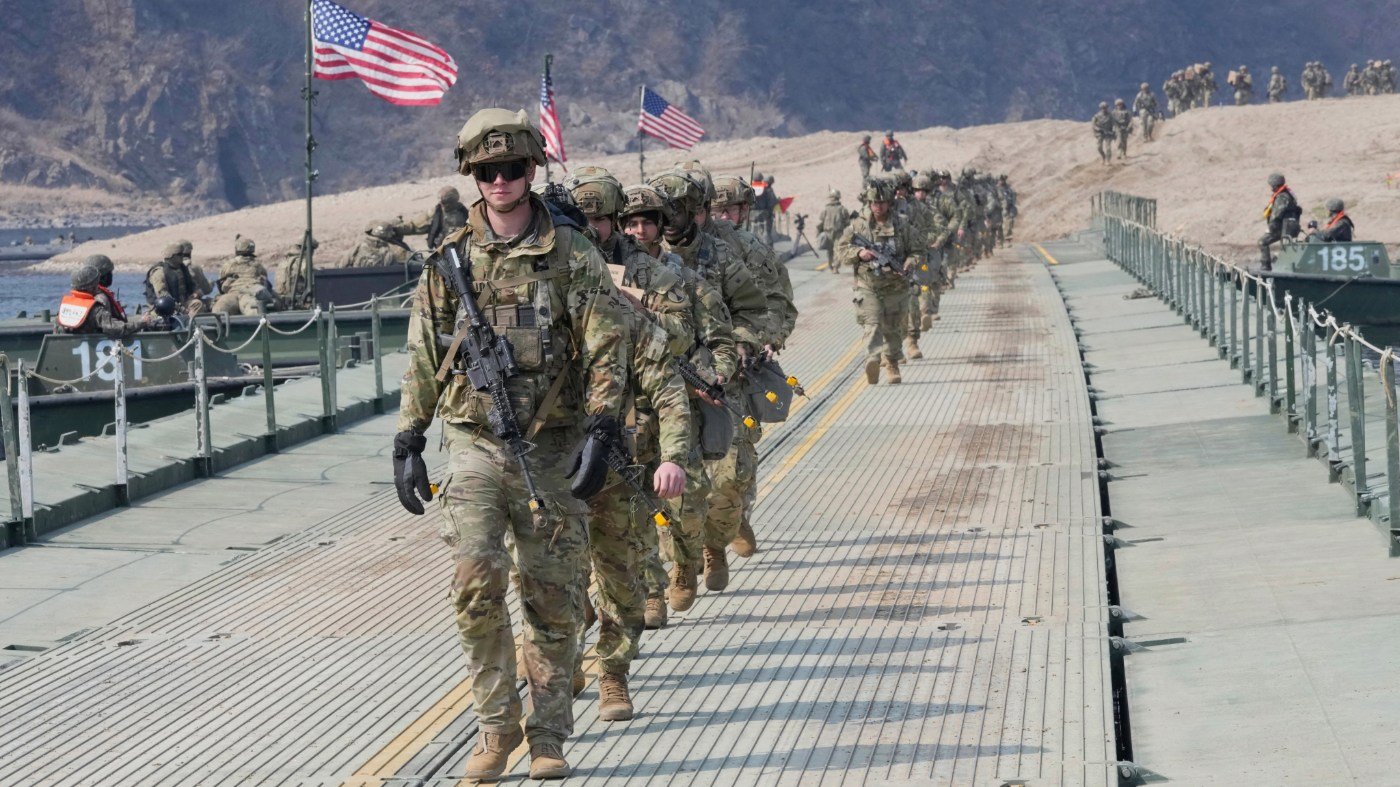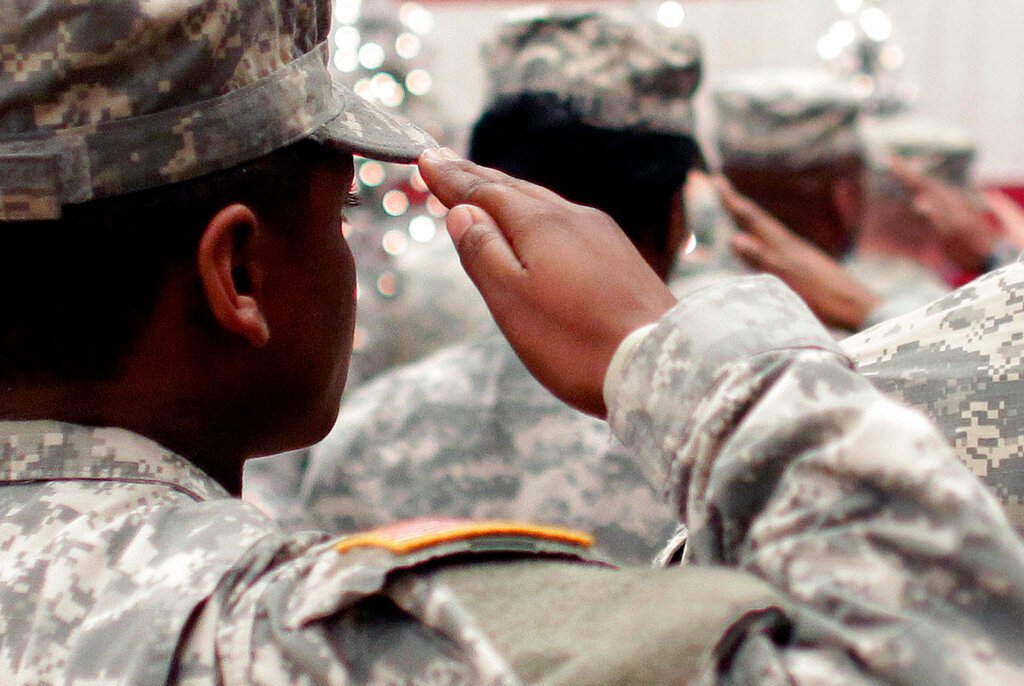
The U.S. military is experiencing its strongest recruiting period in over a decade, with the Navy signing 45,000 new sailors three months ahead of schedule and the Army exceeding its goal of 61,500 soldiers four months early. Congress has authorized an additional 26,100 troops for this fiscal year. But as hundreds of thousands of Americans volunteer to serve, the country's promise of opportunity after service—particularly through higher education—is not being kept.
More than half of service members cite education benefits as a primary reason for enlisting, yet only about 30% of veterans hold a bachelor's degree. This gap threatens not only individual veterans but also the military's ability to recruit and retain talent. As internal dissent within the Pentagon and other challenges mount, the credibility of the post-service promise becomes even more critical.

The traditional academic calendar, designed for students who can commit to 16-week semesters, does not accommodate the realities of military life. Troops face deployment cycles, reservists juggle part-time service, and many veterans work full-time while studying. The mismatch extends beyond scheduling to include a lack of on-campus mental health support. Nearly half of student veterans receive care through the Department of Veterans Affairs, yet the federal program placing VA clinicians on campuses serves only 54 institutions nationwide.
Beyond clinical care, veterans often deal with moral injury—the lasting distress from experiences that conflict with their values. As one veteran noted, faculty who take time to know them personally can make a difference in their ability to stay enrolled. Colleges that foster such relationships can better support veterans who might otherwise fall through the cracks.
Another major issue is the translation of military training into academic credit. A soldier who managed a battalion's logistics or a sailor who maintained a nuclear reactor has skills that most undergraduates lack. Yet many institutions award little or no credit for this training, forcing veterans to pay for and repeat material they already know. Offering credit for prior learning would shorten the path to a degree and validate the skills gained in service.
Finally, colleges must better connect veterans to post-graduation careers. Advisors who can translate military experience for civilian employers and link veterans to industry partnerships are essential. Programs that integrate education benefits with career services and wellness support treat the transition from military to college to workforce as a continuous mission, not a series of disconnected steps.
Recruiting relies on word of mouth. When a veteran leaves college without a degree, that failure is shared at kitchen tables where potential recruits weigh their options. With the military's record numbers, higher education must fulfill its part of the bargain. As strategic priorities like Latin America demand a strong military, the promise of education is a national security issue.
Philip "Flip" West, a National University and UCLA alumnus, wrote this piece. His views do not necessarily reflect those of the Department of War.