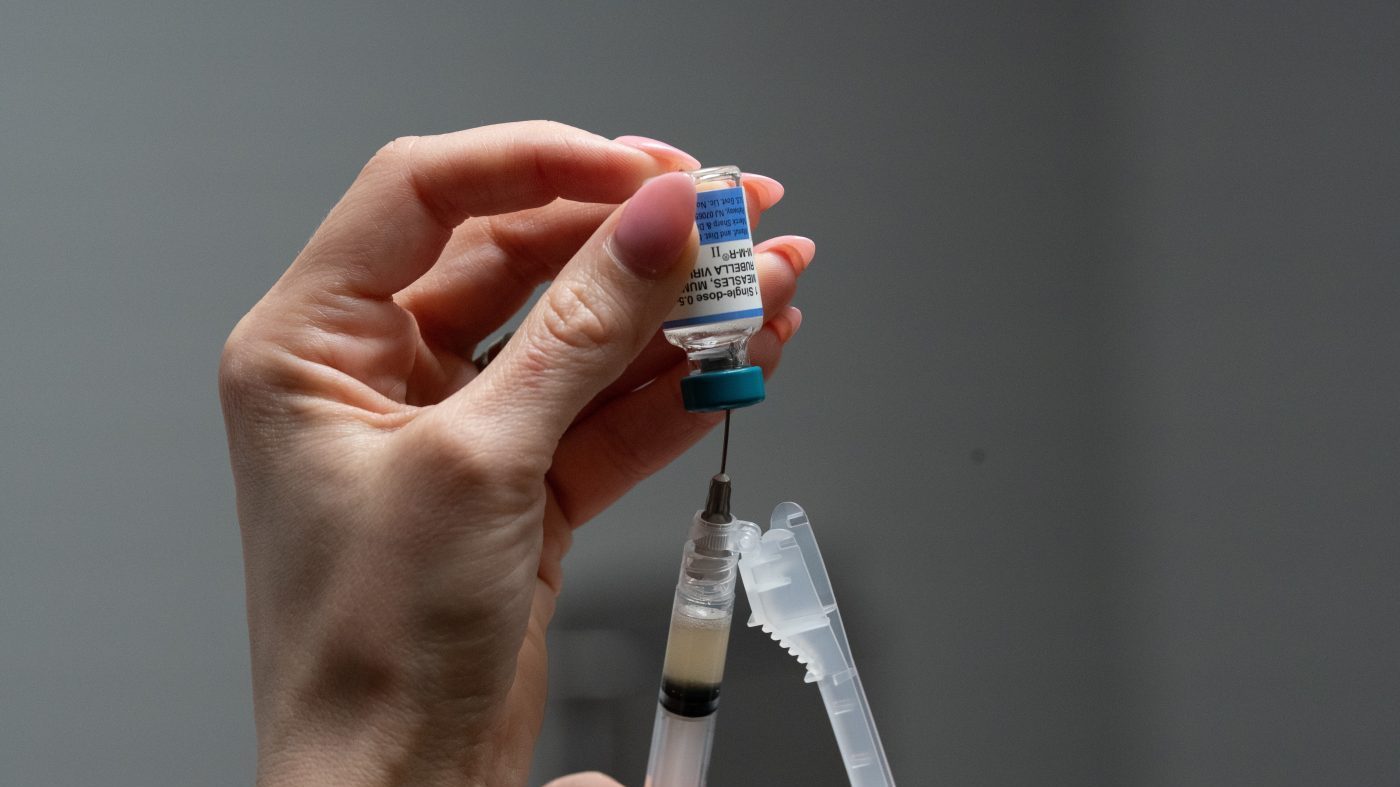
Merck and Moderna announced Wednesday that their experimental personalized mRNA-based cancer vaccine, when used alongside Merck's immunotherapy drug Keytruda, significantly reduced the risk of melanoma returning or spreading in a late-stage clinical trial involving high-risk patients. The results mark a substantial step toward bringing a potentially life-extending treatment to market and underscore the growing promise of tailored therapies in oncology.
The trial, which enrolled 1,137 patients who had their melanomas surgically removed, met its primary endpoint of improving "recurrence-free survival" (RFS)—the length of time patients live without the cancer coming back. The combination also achieved a secondary goal of preventing the disease from metastasizing to other parts of the body. The companies described the outcomes as "clinically meaningful" but did not disclose specific survival data, which will be presented at a medical conference later this year.
This personalized vaccine, known as intismeran, is designed to train the immune system to attack tumors based on the unique genetic mutations of each patient's cancer. Using a sample of the tumor, scientists identify specific mutations, encode them into mRNA, and manufacture a custom vaccine. When paired with Keytruda, which helps unleash the immune system, the therapy aims to provide a durable defense against recurrence.
"We have started to demonstrate the potential of an entirely new class of medicine—and an entirely new way of thinking about cancer care: using the information encoded within an individual patient's cancer to design a specific therapy that helps train their immune system to fight it," Moderna CEO Stephane Bancel said in a blog post.
The positive results build on earlier phase 2 data showing that the combination reduced the risk of melanoma recurrence or death by 49% compared with Keytruda alone. Merck Research Laboratories President Dean Li noted in an interview that most patients who remained disease-free after one year stayed disease-free for five years, a promising sign for long-term outcomes.
Melanoma, though accounting for only about 1% of skin cancers, causes a disproportionate share of skin cancer deaths. Recurrences often appear within the first two to three years after treatment, but the disease can return a decade or more later, according to AIM at Melanoma, a global foundation focused on improving melanoma care.
Li said the companies plan to begin discussions with federal regulators "in the next few months," though no exact timeline for a filing has been set. An approval would be a major win for Moderna, which has relied heavily on its COVID-19 vaccine sales and faces pressure to diversify its pipeline. It would also validate the broader mRNA platform, which has been under political scrutiny from the Trump administration, with top health officials expressing hostility toward the technology and cutting federal funding for mRNA research. However, Moderna recently secured approval for its mRNA-based flu vaccine, indicating some regulatory progress.
The trial's success comes amid ongoing political battles over vaccine policy, including the administration's controversial order to split the MMR vaccine and reduce the childhood immunization schedule, a move that has drawn sharp criticism from public health experts and some lawmakers. While that controversy centers on routine childhood vaccines, the mRNA cancer vaccine represents a distinct therapeutic application, yet it operates within the same politically charged environment.
For patients, the potential approval would offer a new, personalized option to prevent melanoma recurrence, a significant advancement in cancer treatment. For the companies, it could reshape their futures—Merck solidifying its oncology portfolio and Moderna proving its mRNA technology extends beyond infectious disease. As the trial continues and more data emerges, the medical community will be watching closely.