President Trump's signature on a deal with Iran to reopen the Strait of Hormuz has triggered a 60-day negotiation period starting Thursday. The administration aims to finalize an agreement that curbs Tehran's nuclear ambitions and addresses other regional issues.
The 14-point memorandum of understanding (MOU), signed by Trump late Wednesday at the Palace of Versailles, is notably vague and lacks concrete Iranian concessions on its nuclear program, missile arsenal, and funding of militant proxies. Trump insists these details will be resolved in the coming weeks.
Under the MOU, Iran could access $300 billion for reconstruction if it complies, and in return, Tehran has agreed not to build nuclear weapons and to hand over its enriched uranium—terms that still need to be hammered out. Critics, including some GOP senators, are wary of the financial implications, as GOP senators expressed dismay over the $300 billion windfall.
Nuclear Weapon Ban and Enforcement
One of Trump's key objectives is preventing Iran from ever obtaining a nuclear weapon. The MOU states Iran reaffirms it "shall not procure or develop nuclear weapons," but enforcement mechanisms are left for the next round of talks. Trump also stressed that Iran must not "procure" a weapon, not just build one.
Missile Program Left Out
Notably, the MOU does not address Iran's ballistic missile program, which Trump downplayed, saying missiles "hurt a little location, but they don't blow up the planet." He indicated that issue would be handled separately with Gulf allies.
Uranium Enrichment Debate
The talks will also tackle Iran's enriched uranium stockpile, which includes material enriched to 60% purity—close to weapons-grade. Under the Obama-era JCPOA, Iran was only required to reduce its stockpile, not eliminate it. The MOU suggests "downblending" on site under IAEA supervision, but details on destruction, removal, or long-term suspension remain unresolved. Trump has called for a 15- to 20-year suspension and permanent restrictions for non-military use only, though he left room for a civilian nuclear program for electricity.
Lebanon Ceasefire and Hezbollah
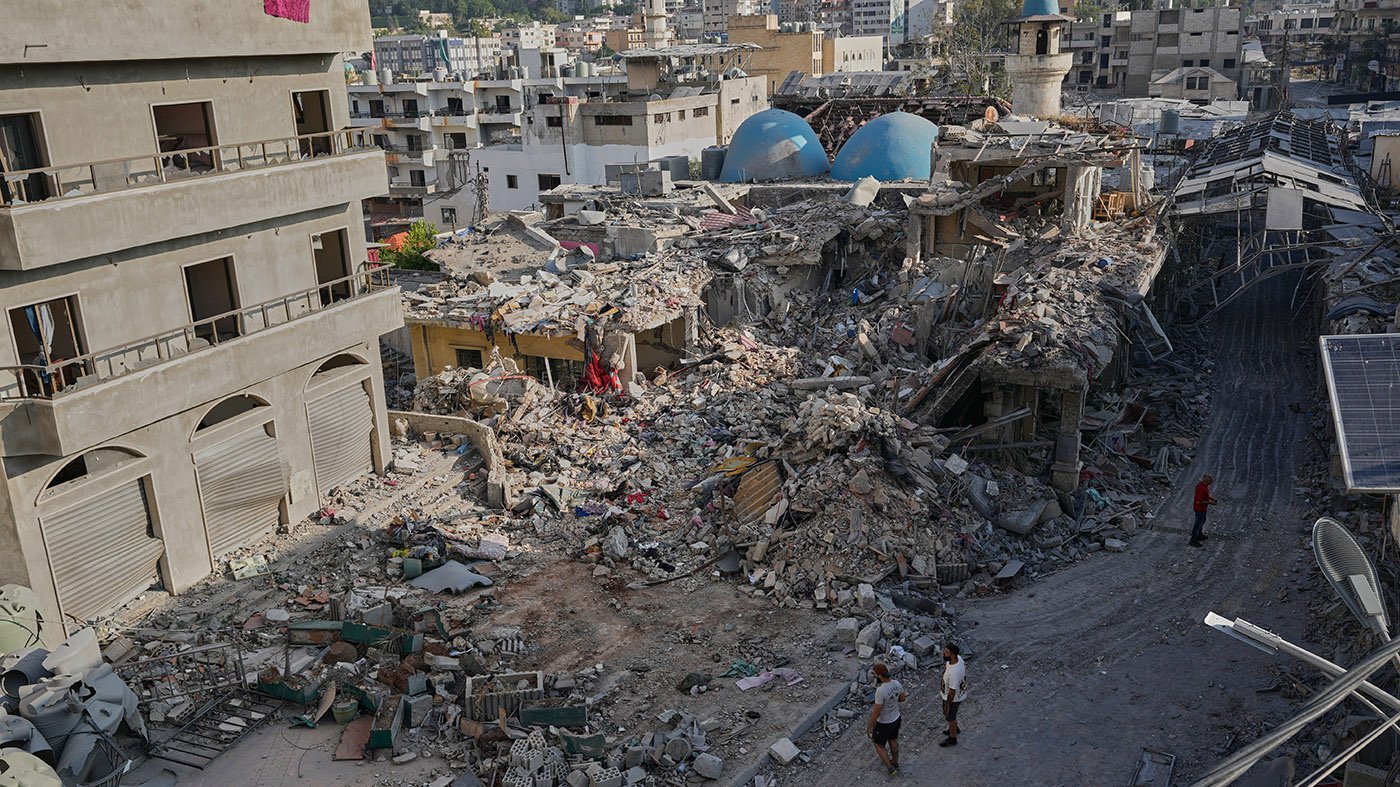
Iran considers the inclusion of a Lebanon ceasefire a major win. Israeli officials are outraged, fearing it ties their hands. Vice President Vance said the U.S. expects Hezbollah to hold fire and Israel not to "go wild" in Lebanon, echoing Trump's view that Israel overreacted to drone strikes. The U.S. is mediating direct talks between Israel and Lebanon, but Iran is unlikely to allow Hezbollah disarmament, complicating the path. Vance warned Israel not to attack Trump, calling him their "only powerful ally," as reported in Vance's warning to Israel.
The 60-day timeline is ambitious compared to the 20 months it took to negotiate the JCPOA. With Supreme Leader Khamenei expressing reservations, and critics questioning whether a comprehensive deal is achievable, the talks face steep hurdles. Former Speaker Pelosi blasted the MOU as a costly "gift" that hurt Americans, as noted in her criticism.