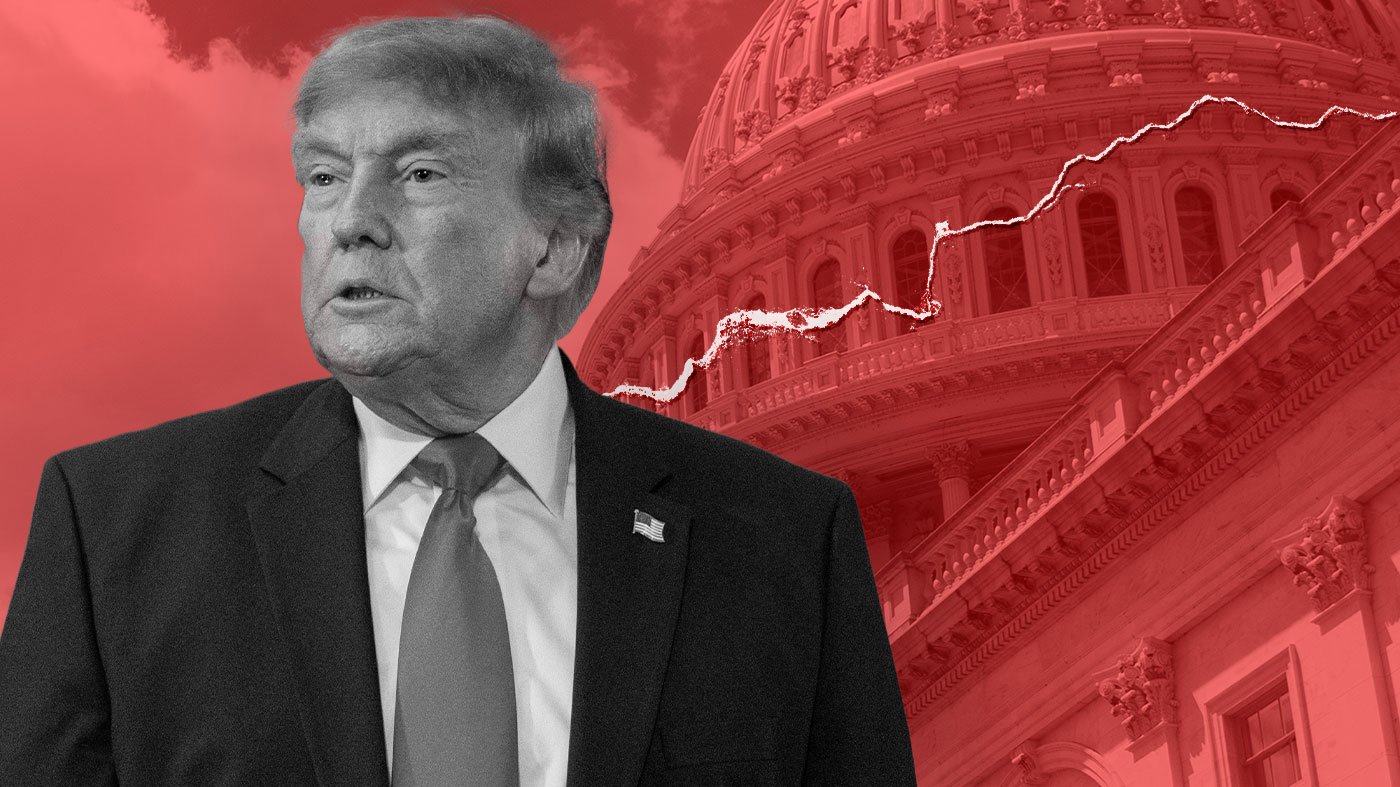
Senate Republicans are growing increasingly anxious that President Trump is becoming a significant political burden as they fight to retain their majority in the 2026 midterm elections. Their concerns center on Trump's repeated criticism of the Senate's legislative record and his refusal to drop a proposed $1.8 billion fund intended to compensate allies who were investigated or prosecuted during the Biden administration.
GOP senators also worry that Trump's insistence on passing the Safeguard American Voter Eligibility (SAVE) Act before the election, despite its near-certain failure in the Senate, could demoralize the party's base. Additionally, they fear that the anti-weaponization fund, which Democrats have seized on as evidence of corruption, is providing ammunition for attacks on Republican candidates.
Recent polling showing Republican candidates trailing in states like North Carolina, Ohio, Iowa, and Texas has heightened these worries. One Republican senator, speaking anonymously, said the perception among colleagues is that Trump is a growing liability. Even senators in solidly red states, such as Kansas's Roger Marshall, are reportedly facing unexpectedly close races.
Some GOP senators believe that Pete Ricketts of Nebraska, another farm state hit hard by Trump's trade policies, could be vulnerable against independent challenger Dan Osborn. Trump won Kansas and Nebraska by double digits, but his approval ratings have since declined, particularly among independents, who are drifting away from the GOP.
Senator Thom Tillis of North Carolina, who is retiring, has been particularly vocal. He described the anti-weaponization fund as a political 'yoke' and called it 'horrible policy' and 'horrible politics.' Tillis said, 'I want this yoke off of the members who are up for election in November because there's no way to explain it.' He warned that the fund would lend credibility to Democratic attacks and urged candidates like Michael Whatley to distance themselves from Trump where they disagree.
Trump, however, has doubled down. On Saturday, he declared on Truth Social that he would push hard to get the Anti-Weaponization Bill passed, saying it takes care of those who were 'so badly treated' by the Biden administration. He also continues to press for a new 90,000-square-foot White House ballroom, which GOP senators stripped from a reconciliation package.
Beyond the fund, senators are frustrated with Trump's criticism of Senate Majority Leader John Thune and his lukewarm support for the housing affordability bill, which they had touted as a key achievement. Trump's comments have undercut their message of legislative success.
The White House did not respond to requests for comment. As the midterms approach, the tension between Trump's demands and the electoral realities facing Senate Republicans is likely to intensify.