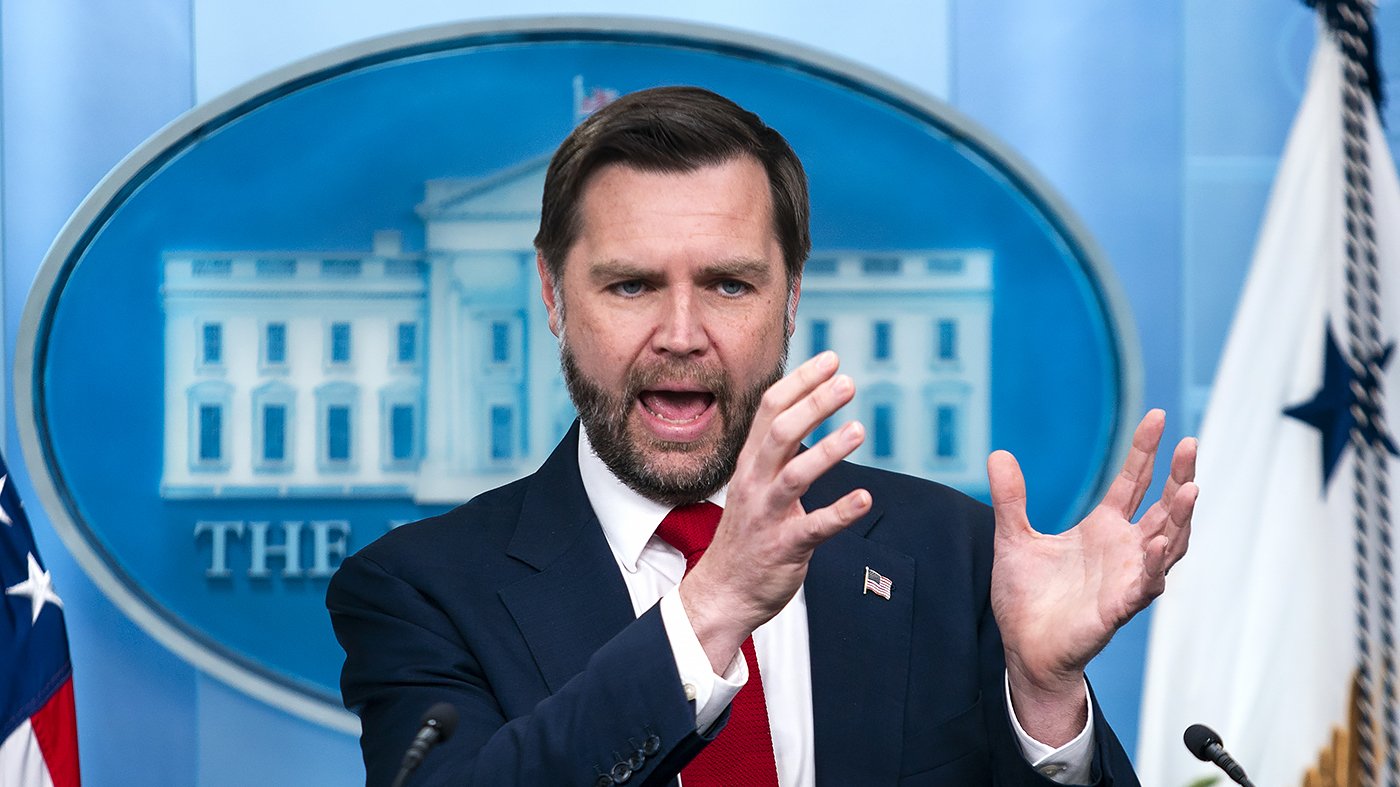
Vice President JD Vance issued a pointed warning to Israeli officials on Thursday, cautioning them against criticizing the peace deal President Trump's administration negotiated with Iran. Speaking at a White House press conference, Vance suggested Israel should be grateful for its partnership with the United States, especially as it faces growing isolation on the global stage.
“If I was in the cabinet of the Israeli government, I might not be attacking the only powerful ally that I have anywhere left in the entire world,” Vance said. He emphasized the material support Washington provides, noting that “over the last three months, two-thirds of the defensive weapons that protected your homeland have been built by American hands and paid for by American tax dollars.”
The vice president’s remarks came in response to an Axios report that Israeli Prime Minister Benjamin Netanyahu is “fuming” over the Memorandum of Understanding (MOU) signed between the U.S. and Iran. Vance dismissed the characterization, saying the report “is not reflective of the conversations that I’ve had with him, but maybe he’s saying something to somebody else that he’s not saying to me.”
The tension between Trump and Netanyahu has increasingly spilled into public view. Trump has reportedly cursed the Israeli leader over military actions in Lebanon that he argued jeopardized the Iran deal. Netanyahu has acknowledged the two don’t always see “eye to eye” and has insisted he will prioritize Israel’s security. This friction comes as Vance defends the Iran MOU amid a growing GOP revolt.
Israeli officials across the political spectrum have slammed the MOU, arguing it ties Israel’s hands in addressing threats from Hezbollah in Lebanon and from Iran and its proxies. They have also criticized Netanyahu for failing to shape Trump’s negotiations with Tehran. A key pillar of the MOU is a ceasefire in Lebanon, with senior administration officials expecting Iran to rein in Hezbollah. However, Trump and Vance have also criticized Israel for what they see as overreaction to Hezbollah strikes.
“What the President has grown frustrated, sometimes, is that we seem to be right on the cusp of a major breakthrough in the agreement, and then all of a sudden there’s a major explosion that goes off in a civilian population center in Beirut, and a lot of people who have nothing to do with Hezbollah lose their lives. That’s not acceptable,” Vance said. He called for “closer coordination” to prevent such incidents.
The administration’s push for the Iran deal has faced bipartisan criticism, with some hawks calling it a surrender document. Vance has previously dismissed concerns that Trump will blame him if the deal fails. Meanwhile, the White House has signaled it may waive Iran oil sanctions without Congress, a move that could further inflame tensions with both Israel and Republican lawmakers.
As the 60-day clock on the MOU’s implementation starts, the rift between Trump and Netanyahu remains a critical wild card. For now, Vance’s blunt warning underscores the administration’s expectation that Israel fall in line—or risk losing its most powerful patron.