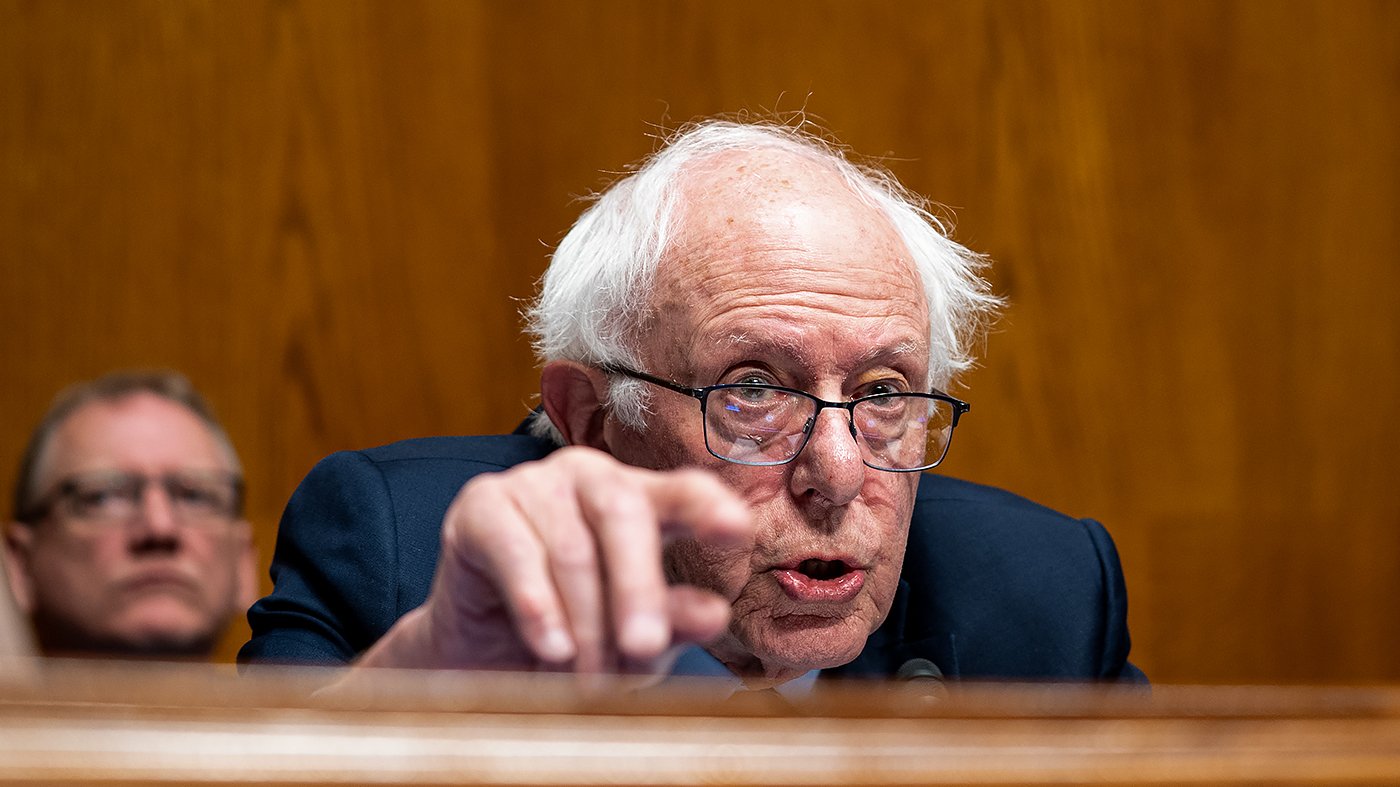
Sen. Bernie Sanders (I-Vt.) made the case Sunday that Abdul El-Sayed, the progressive candidate in Michigan's Democratic Senate primary, has a unique ability to win over working-class Republicans and independents in the general election, should he defeat Rep. Haley Stevens (D-Mich.) in Tuesday's primary.
Appearing on NBC's "Meet the Press," Sanders told host Kristen Welker that El-Sayed's message resonates with voters who feel left behind by the current system. "If you're a working-class Republican, you know what? You can't afford health care. You know the system is broken. You are struggling to figure out how you're going to retire with dignity," Sanders said.
The Vermont senator also drew a contrast on foreign policy, suggesting that Republican voters might question spending priorities. "And by the way, if you're a Republican, you know maybe we should be investing our money into Michigan, into Vermont, into America rather than giving the extremist government of [Israeli Prime Minister Benjamin] Netanyahu and Israel tens of billions of dollars to continue their atrocities against the Palestinian people," he added.
Sanders predicted that working-class Republicans would listen to El-Sayed's pitch. "I think many of them will end up voting for him, independents as well, of course," he said.
The primary contest between El-Sayed and Stevens has become a proxy battle for the Democratic Party's progressive and centrist wings, with divisions spilling into the Senate. El-Sayed has hammered Stevens over the influx of corporate PAC money, particularly millions from the American Israel Public Affairs Committee (AIPAC).
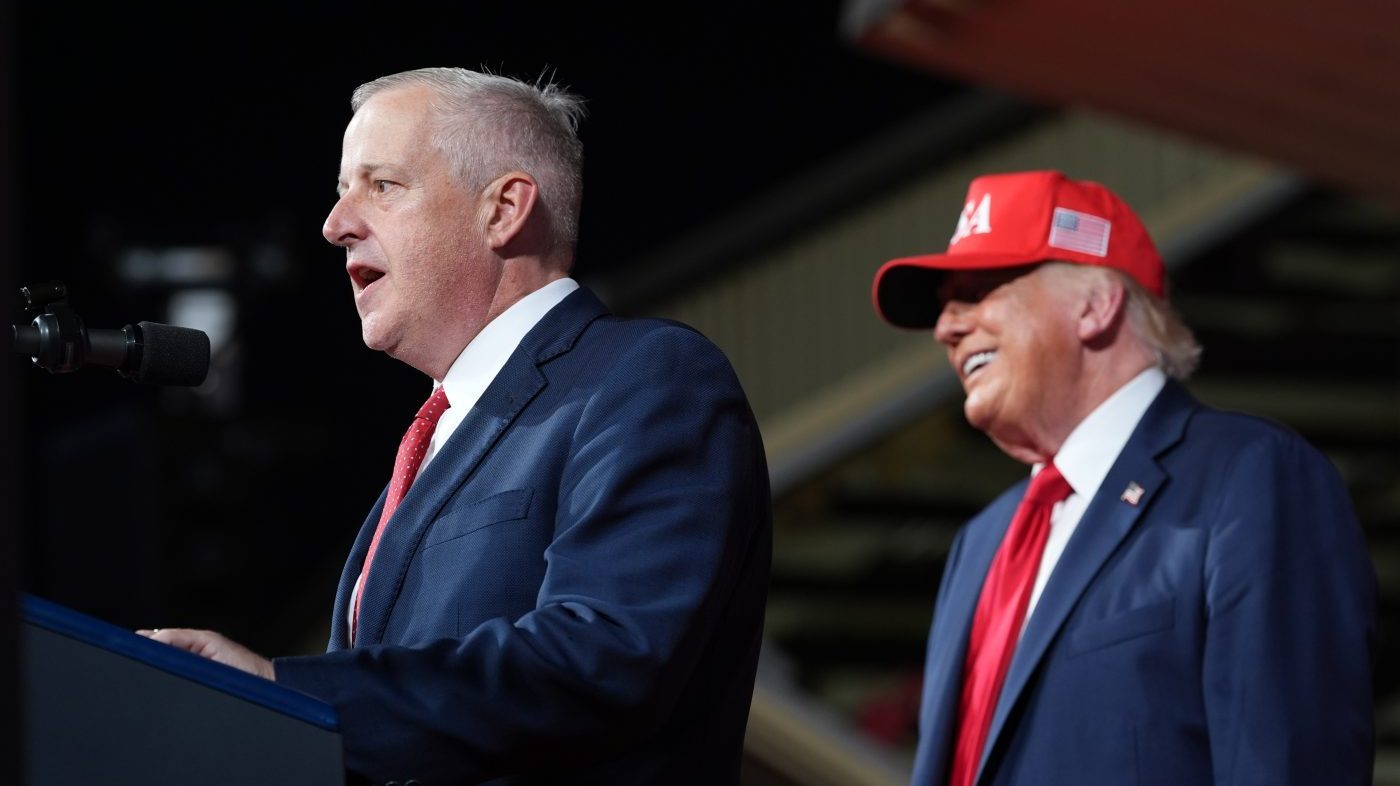
Sanders is joined by Sens. Ed Markey (D-Mass.), Tina Smith (D-Minn.), Chris Van Hollen (D-Pa.), and Elizabeth Warren (D-Mass.) in backing El-Sayed. Stevens, meanwhile, has secured endorsements from retiring Sens. Chris Coons (D-Conn.), Catherine Cortez Masto (D-Nev.), Ruben Gallego (D-Ariz.), and Jeanne Shaheen (D-N.H.). Senate Democratic Leader Chuck Schumer (N.Y.) has also thrown his support behind Stevens, telling Punchbowl News earlier this month that she "has the best chance to win" against former GOP Rep. Mike Rogers, the likely Republican nominee.
Retiring Sen. Gary Peters (D-Mich.), whose seat is up for grabs, endorsed Stevens earlier this month, warning that Democrats "can't afford to lose" the seat as they fight to regain the Senate majority.
Recent polling suggests El-Sayed holds an edge in the primary. A survey conducted by Emerson College, WLNS, and WOODTV on July 26-27 found El-Sayed leading with 54 percent support among 700 respondents, compared to 39 percent for Stevens and 6 percent undecided. That margin is consistent with El-Sayed's 15-point lead in an earlier poll, indicating a potentially decisive advantage.
The general election in this Rust Belt swing state is expected to be closely contested. Rogers narrowly lost to Democratic Sen. Elissa Slotkin (D-Mich.) by less than 30,000 votes in 2024, the same year President Trump won Michigan for the second time in three tries. As of Friday, Decision Desk HQ gives Democrats a 60 percent chance of holding the seat.
The race has also drawn national attention, with Sanders clashing with Sen. John Fetterman (D-Pa.) over endorsements, and El-Sayed and Stevens sparring over Israel and corporate cash in their debates. The outcome could have significant implications for the party's direction heading into the 2026 midterms.