Iranian leaders are hailing the memorandum of understanding (MOU) signed with the Trump administration to end this year's war as a decisive victory, but internal opposition from hard-liners and everyday Iranians reveals a deeply fractured regime. Supreme Leader Mojtaba Khamenei, believed injured from a U.S. or Israeli strike and out of public view, posted on social media Thursday that the MOU reflects President Trump's 'desperation.'
Mixed Reactions Inside Iran
Data from FilterLabs.AI, which monitors Iranian social media amid internet blackouts, shows that support for the agreement is far from universal. 'It surprised me that there wasn't more support for the MOU,' said Erol Yayboke, the firm's chief operating officer. 'The opposition was either that it didn't go far enough, or it entrenched the regime. I expected more “glad the war is over” chatter, but there's deep mistrust the fighting has actually stopped.'
While government and military officials remain unified on preserving the regime, debates over tactics and strategy are sharp. The 14-point MOU reopens the Strait of Hormuz, halts hostilities, and sets at least 60 days of talks on Iran's nuclear program, with immediate relief from U.S. oil and banking sanctions.
Regime Messaging on Key Wins
Official channels are highlighting Trump's agreement to lift the naval blockade—emphasizing an 'immediate' withdrawal rather than a 30-day timetable. Vice President Vance confirmed the blockade end Thursday. Point 5 of the MOU is spun as a win: Iran's commitment to toll-free passage through the strait is for 'only' 60 days, with future status under 'Iranian arrangements.'
President Masoud Pezeshkian shared the English text on X, calling it a 'historical document and a message from a powerful Iran: Peace will be realized in the shadow of mutual respect.' Deputy Foreign Minister Kazem Gharibabadi told Tasnim News Agency, 'This memorandum does not mean trusting the enemy; it has been written with active distrust. We will monitor the implementation of US commitments.'
Hard-Liner Opposition Intensifies
Tasnim, affiliated with the Islamic Revolutionary Guard Corps (IRGC), is at the forefront of opposition. Hard-liners argue the MOU fails to extract enough concessions. 'There's almost a split in the governing regime's loyal base,' said Matin Mirramezani of Stanford's Iran 2040 project. 'They are highly anti-American and want huge concessions, believing Iran has huge leverage from blocking the strait.'
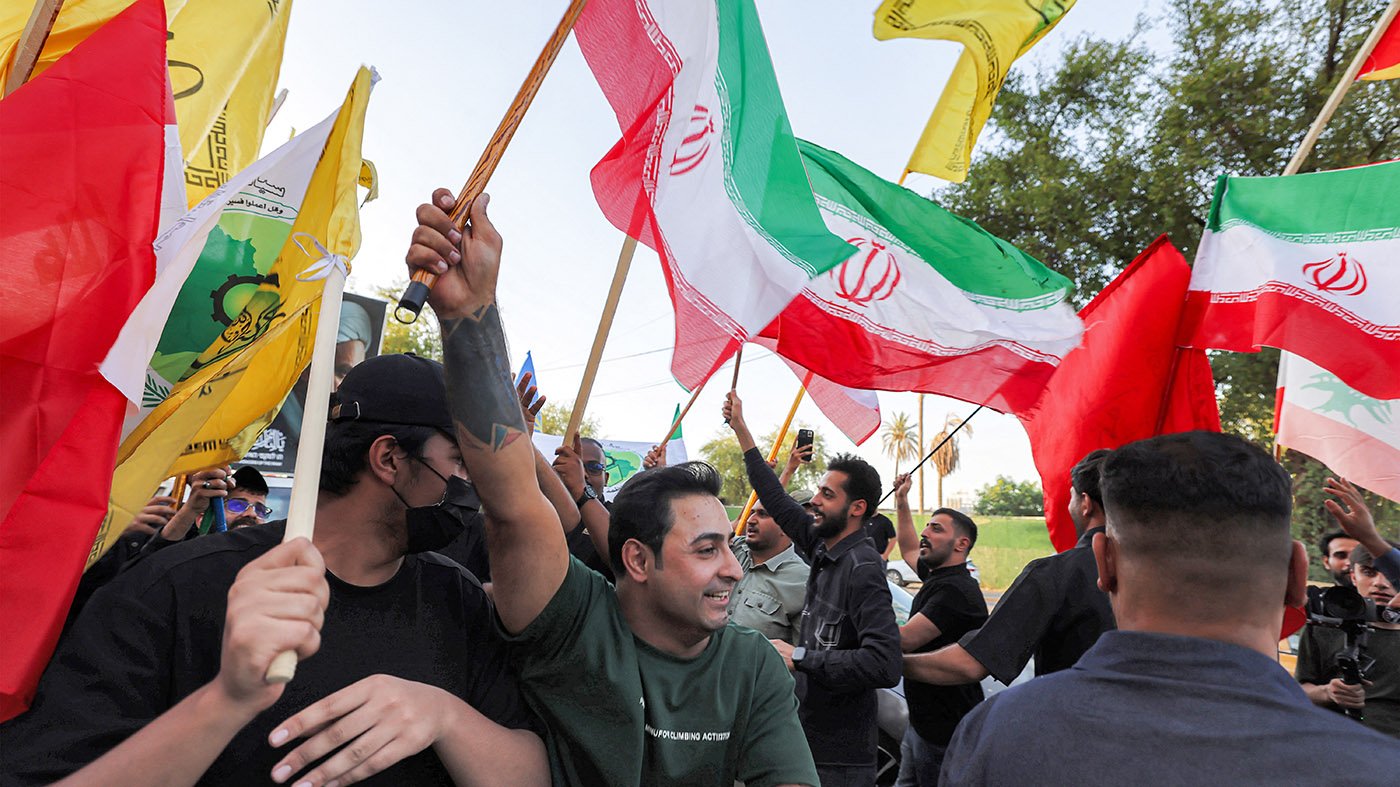
Hard-line MP Mahmoud Nabavian called the MOU 'damaging' and requiring significant Iranian compromises. Sixty parliamentarians signed a letter demanding answers from chief negotiator Mohammad Bagher Qalibaf. MP Abol-Fazl Abootorabi demanded parliamentary ratification; another called the deal 'a violation of the Leader's red lines.' Protesters outside the Foreign Ministry called for negotiators' resignation and even death.
Proxy Groups Spin Defeat
Outside Iran, proxy groups in Lebanon, Gaza, Yemen, and Iraq are avoiding direct MOU discussion, instead pushing AI-generated videos claiming U.S. and Israeli defeat. 'They post pretty wild AI videos about how the U.S. has essentially capitulated,' said Moustafa Ayad of the Institute for Strategic Dialogue. 'It doesn't reference the MOU, but it references something they...'
Meanwhile, the domestic political landscape remains volatile. With midterms approaching and independents surging to 47% in recent polls, the Trump administration is navigating a delicate balance. Senate Democrats have demanded a full briefing on the murky deal terms, while a federal judge narrowed challenges to Trump's mail-in voting restrictions. The MOU signing itself was conducted remotely, with Vance set to face the press Thursday amid Hezbollah-Israel clashes that officials insist won't derail the agreement.