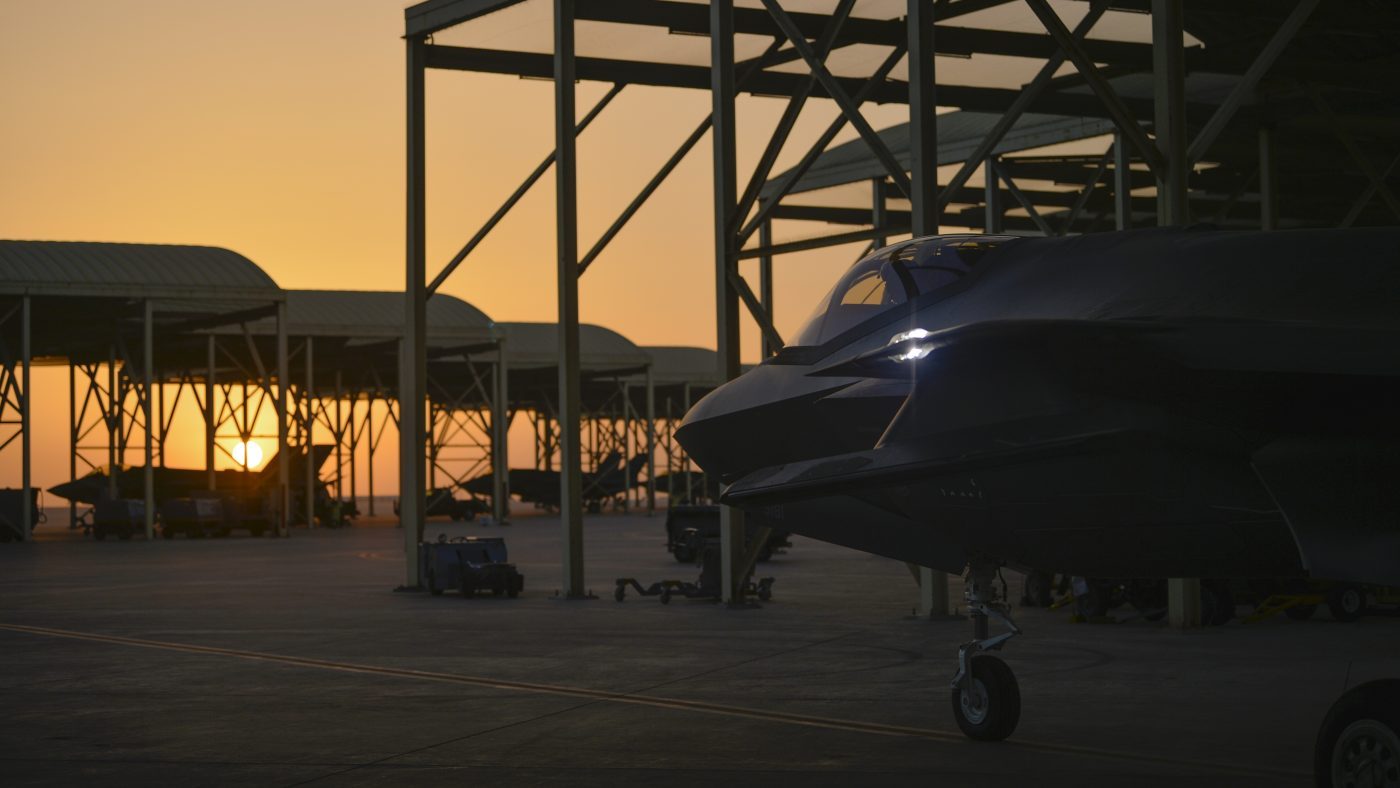
What began as a supposed military "excursion" into Iran has evolved into a prolonged "skirmish" that bears all the hallmarks of a full-fledged war. Tens of thousands of American strikes against Iranian targets and persistent Iranian attacks on US and Gulf assets have created a conflict that, to any objective observer, is a war by any definition.
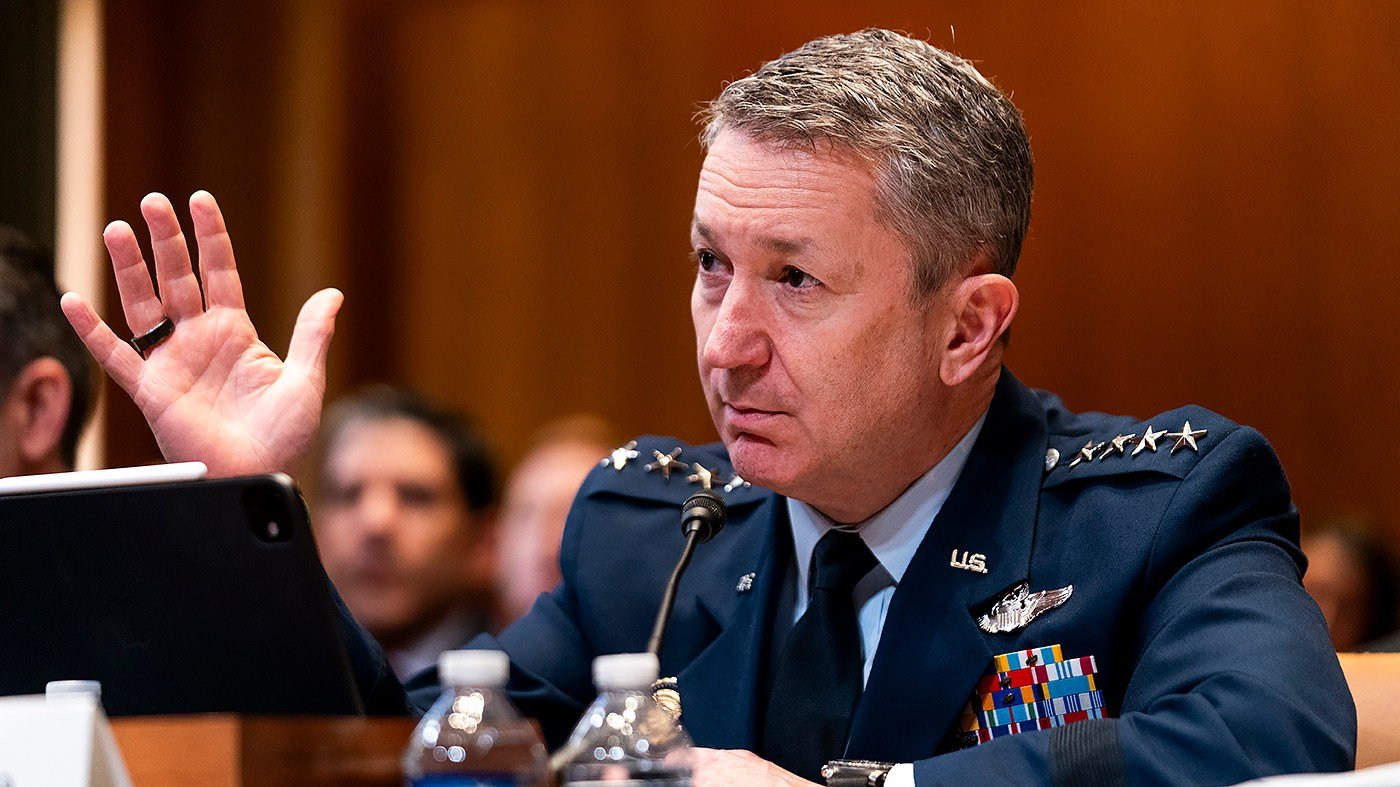
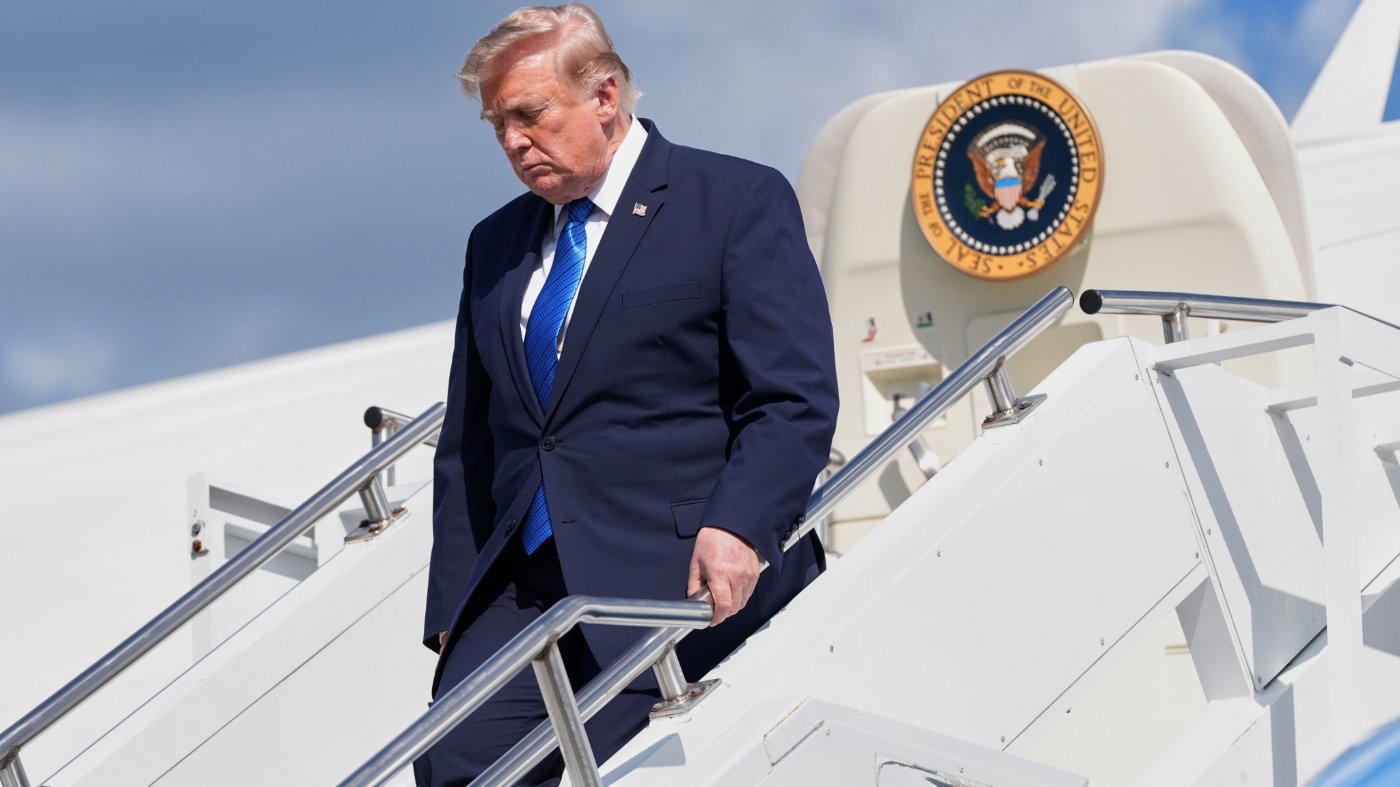
Now entering its sixth month, the conflict has become a political liability for President Trump and the Republican Party. With 70 percent of Americans opposing the war and the House and Senate heading out of session, lawmakers are bracing for a wave of constituent anger over the mounting economic costs. The administration's rhetoric, such as Defense Secretary Pete Hegseth's claim that Iran is at its "weakest point militarily," has done little to reassure the public, especially as Tehran continues to launch massive drone and missile strikes and reportedly reconstitutes its production capacity.

One of the most pressing constraints is the exhaustion of defensive missile magazines among the US and its Gulf allies. The true numbers are classified, but the strain is evident. If the US escalates by striking civilian infrastructure—power grids, bridges, roads, and communication networks—the consequences would be catastrophic. Such actions would likely be condemned as crimes against humanity and galvanize Iranian public opinion against the US, undermining any strategic goal.
Iran's likely response to any escalation would be to target Gulf desalination and energy infrastructure. Several Gulf states rely on desalination for over 90 percent of their drinking water, and a sustained attack could trigger a humanitarian disaster. Moreover, oil prices could spike to $150 or even $200 a barrel, wreaking havoc on the global economy. No contingency plans exist for such a scenario.
Ground invasion is not a viable option either. 74 percent of Americans oppose sending troops, and the forces available—two Marine Expeditionary Units and elements of the 82nd and 101st Airborne—are far too small to achieve meaningful objectives. A Marine Expeditionary Unit has only about 2,500 personnel, of whom only 800 are infantry. Airborne units carry only a few days' worth of supplies. Retired Army General Barry McCaffery has estimated that seizing Bandar Abbas would require 600,000 troops, while an attack on Kharg Island would necessitate a nearly unopposed 400-mile transit through the Strait of Hormuz.
The nuclear option, even as a demonstration shot, would be a catastrophic gamble. An atmospheric detonation would generate an electromagnetic pulse that could disable electronic systems across hundreds of miles, affecting not just Iran but potentially US allies in the region, few of which are hardened against such effects. A surface burst would produce a radioactive cloud that, depending on winds, could drift toward Russia, with unpredictable consequences for the war in Ukraine and relations with Vladimir Putin.
Given these unpalatable choices, the most promising path is to declare victory and pursue negotiations. Talks between Washington and Tehran have reportedly never ceased, and Trump could claim credit for bringing Iran to the table. Reopening the Strait of Hormuz and securing the Bab el-Mandeb Strait would be immediate priorities, likely leading to lower oil prices and a stock market rebound. As Iran's leadership has publicly rejected some of Trump's claims, the diplomatic road ahead is uncertain, but the alternative is a futile and bloody ground war that the American public overwhelmingly opposes.
Trump has a history of facing GOP concerns over his agenda and accusations of gaslighting on the economy. The coming weeks will test whether he can navigate this crisis without triggering a humanitarian and economic disaster. For now, the world watches with bated breath.