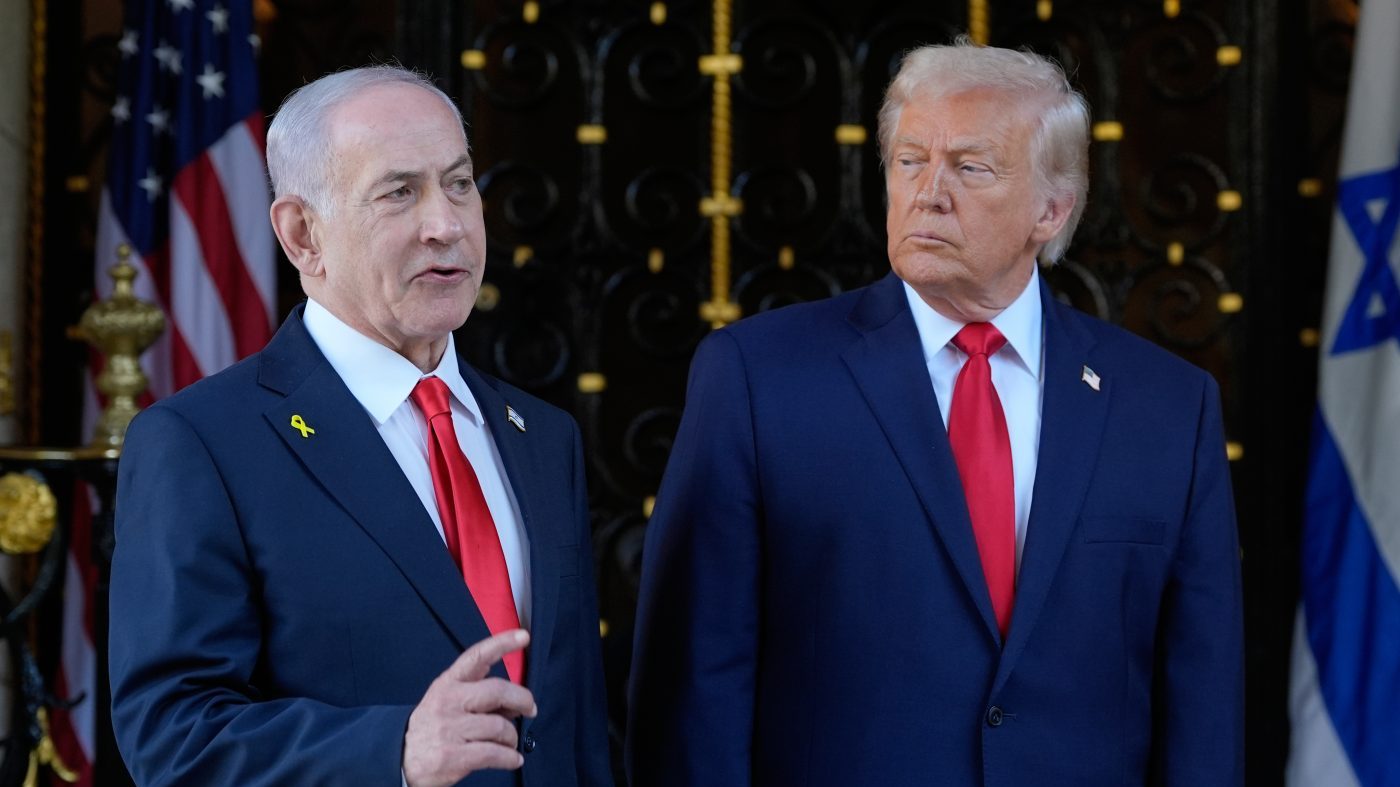
Israeli Prime Minister Benjamin Netanyahu's office on Monday voiced "serious security concerns" over the proposed disarmament agreement with Hamas, a key component of President Trump's initiative to rebuild the Gaza Strip. The announcement underscores growing friction between Washington and Jerusalem over the terms of the deal.
Doron Spielman, a spokesperson for Netanyahu, told The Associated Press that Israeli officials had shared their reservations with the White House immediately after Trump unveiled the plan. Spielman emphasized that Hamas remains committed to rebuilding its military capabilities, which is why the Israel Defense Forces (IDF) will not withdraw from Gaza until disarmament is fully verified.
"Our assessment is that if we redeploy before Hamas is truly disarmed, it will quickly expand its presence throughout Gaza, rebuild its terrorist infrastructure, once again threaten Israeli communities, and seek to carry out another Oct. 7-style attack," Spielman said, referring to the 2023 Hamas assault that triggered the ongoing war.
Spielman stressed that true disarmament means Hamas militants must physically hand over their weapons—"nothing less." The Hill has reached out to the White House for comment on these concerns.
Ceasefire Tensions
The concerns come amid a fragile ceasefire that has held since October, but recent Israeli strikes killed 17 people, including children, according to the AP. Senior Hamas official Bassem Naim said Hamas had "agreed to the roadmap" of the deal, but accused Israel of trying to sabotage it through continued military action.
"This escalation, coinciding with progress on the political track, clearly demonstrates that the occupation government is seeking to undermine efforts aimed at ending the war and to impose facts on the ground by force," Naim told Drop Site News. "This situation calls for urgent international action to pressure the occupation to halt its crimes and comply with its obligations under the agreement."
Deal Details and Israeli Conditions
Trump announced the "historic" deal on Thursday, describing a phased process in which Hamas would surrender weapons in exchange for an Israeli military withdrawal. However, Israeli officials have privately told the AP that they will not pull back from the "yellow line" zone in the occupied territory, which consists largely of depopulated areas.
According to a copy of the agreement reviewed by the AP, all weapons held by Hamas-run police would be handed over to the U.S.-backed National Committee for the Administration of Gaza. But the timeline remains unclear, as several preceding steps must be completed first.
Israel has also demanded that Qatar and Turkey be excluded from the verification process, and that all surrendered weapons be destroyed. Additionally, two sources familiar with the deal told the AP that Israel insists on retaining freedom to conduct military operations in Gaza.
Mixed Signals
Trump claimed during a Cabinet meeting on Friday that Israel was "very happy" with the agreement. Yet Israeli National Security Adviser Itamar Ben-Gvir dismissed the deal outright, writing on X that "targeted killings in Gaza must continue." This stark divergence highlights the deep skepticism surrounding the plan, as noted in Israeli skepticism over the roadmap. Meanwhile, Hamas has claimed the pact while Israel remains cautious.
The standoff over disarmament and withdrawal continues to complicate efforts to end the war and rebuild Gaza, with both sides appearing entrenched in their positions.