Vice President Vance touched down in Switzerland on Saturday to lead technical-level negotiations with Iran over its nuclear program, just as a sharp escalation in fighting between Israel and Hezbollah threatened to unravel the fragile U.S.-Iranian ceasefire.
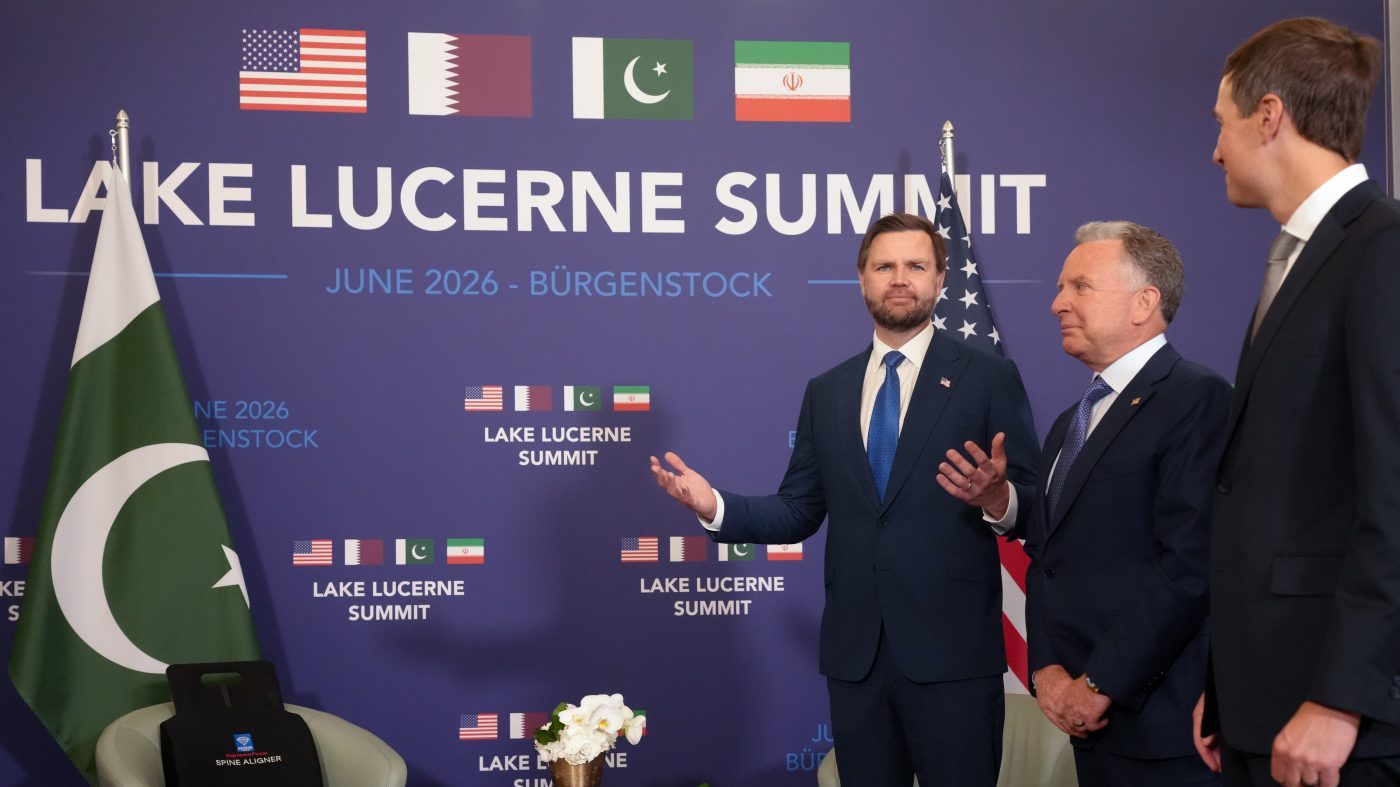
On Sunday, Vance met with Pakistani Prime Minister Shehbaz Sharif and Army Chief Field Marshal Asim Munir at a resort outside Lucerne, according to a pool report. He was joined by special envoy Steve Witkoff and Jared Kushner, President Trump’s son-in-law and senior advisor. Pakistan has been acting as an intermediary between Washington and Tehran, and Sharif had earlier held talks with Iranian Parliament Speaker Mohammad Bagher Qalibaf and Foreign Minister Abbas Araghchi, the Associated Press reported.

The vice president did not take questions from reporters before the bilateral meeting, including about his message to Israeli Prime Minister Benjamin Netanyahu, according to CNN. The silence came as the administration faced growing criticism from Republican hawks over the Iran deal, a rift that has exposed deep divisions within the party.
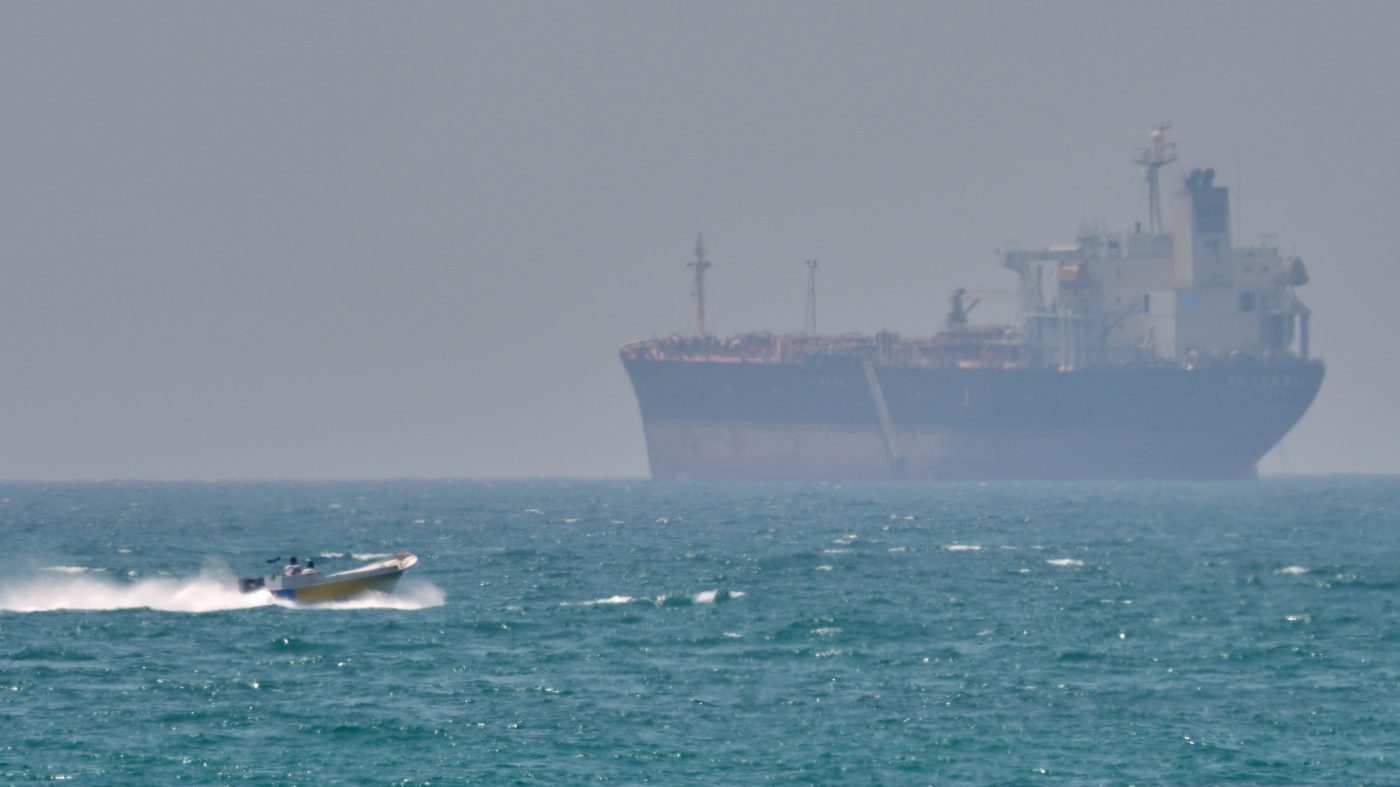
The talks were originally scheduled for Friday but were postponed after the surge in violence between Israel and Hezbollah in Lebanon. On Saturday, Iran’s top joint military command announced it would close the Strait of Hormuz, citing the ongoing Israeli strikes in Lebanon. The move directly threatened the 60-day ceasefire deal signed by President Trump, which began Thursday and calls for reopening the strategic waterway while negotiators hammer out a final agreement on Iran’s nuclear program, missile development, and other issues.
Speaking on Fox News Saturday morning, Vance said Witkoff and Kushner had already been in Europe for hours “dealing with some of the technical elements” of the negotiations and that “things are going well.” The administration hopes the talks will lead to a permanent cessation of hostilities, the reopening of the Strait of Hormuz, and a resolution to differences over Iran’s nuclear ambitions.
The conflict in Lebanon has complicated the diplomatic track. Hezbollah, a key Iranian ally, has been trading fire with Israeli forces, raising the risk of a broader regional war. The delay in talks and the Strait of Hormuz closure highlighted how quickly the administration’s diplomatic push could be derailed by events on the ground.
Vance’s role in the negotiations has put him at the center of a political firestorm. GOP Representative Fine recently blasted Vance’s remarks on Israel as “disgusting,” signaling that the party is far from united on the Iran deal. Meanwhile, Senator Lindsey Graham has argued that Iran is weaker after the war and called critics of the nuclear deal “delusional,” while others warn that the agreement could embolden Tehran.
The 60-day timeline set by Trump’s memorandum of understanding with Iran covers nuclear, missile, and Lebanon-related issues. The administration is betting that a comprehensive deal can be reached before the clock runs out, but the violence in Lebanon and the Strait of Hormuz closure have already tested that timetable.
For now, Vance and his team are pressing ahead with technical talks in Switzerland, even as the broader political and military landscape shifts. The outcome of these negotiations will shape not only the future of Iran’s nuclear program but also the stability of the Middle East and the political fortunes of the Trump administration.