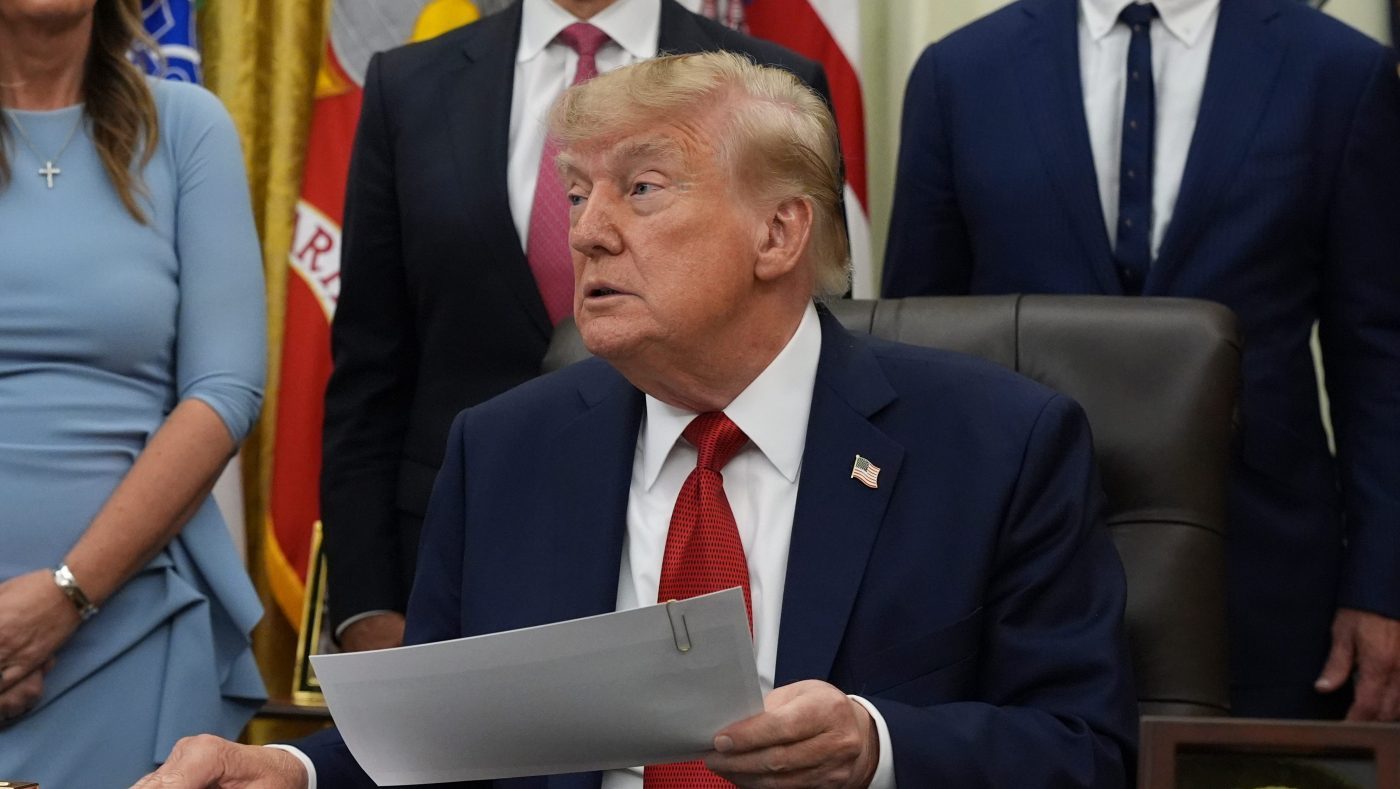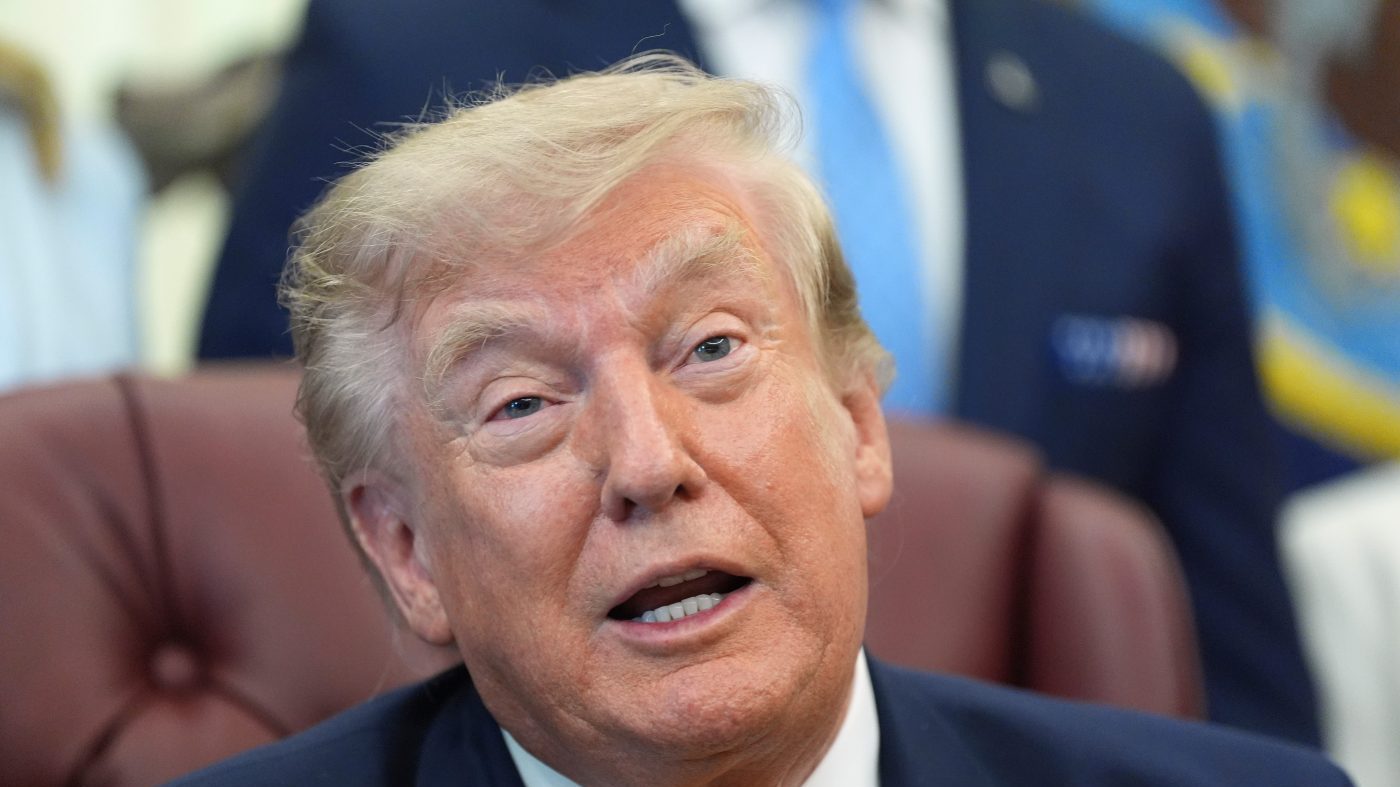
President Trump on Tuesday again voiced his support for ending the twice-yearly clock change, throwing his weight behind a House-passed bill that would make daylight saving time the permanent standard across the country. The president's remarks on Truth Social came roughly three weeks after the lower chamber approved the measure, signaling a renewed push to break a long-standing legislative logjam.
“For many years, the vast Majority of Americans have asked to make Daylight Saving Time permanent, but no Administration has been able to get it done, until now,” Trump wrote, framing the issue as one with broad bipartisan appeal. He added, “People are sick and tired of having to change their clocks twice a year. It is foolish, inconvenient and, in some cases, very costly.”
The House passed the Sunshine Protection Act of 2025 last month by a vote of 308-117, with 22 Republicans and 95 Democrats opposing. The bill, introduced by retiring Rep. Vern Buchanan (R-Fla.), would eliminate the need for Americans to adjust their clocks each spring and fall, locking the nation into daylight saving time year-round.
Trump’s renewed endorsement is aimed squarely at Senate Republicans, whom he urged to take up the legislation. “This is an issue that Republicans, Democrats, and Independents can unite behind,” he said, suggesting that the change could serve as a rare point of cross-party agreement in a polarized climate.
However, the path forward in the Senate is far from certain. Several GOP senators have already voiced reservations, with Sen. Tom Cotton (R-Ark.) warning that permanent daylight saving time would “push winter sunrises to an absurdly late hour.” Sen. Steve Daines (R-Mont.) echoed that concern, telling CNN that Western state senators would oppose the measure. “I can see where Florida likes it for tee times at certain times of the year, but it doesn’t work so well for moms and dads putting kids on buses when the sunrise in Western Montana wouldn’t be until 9:30 in the morning,” Daines said.
The debate is not new. In December 1973, President Nixon signed a law making daylight saving time permanent amid an energy crisis, but Congress repealed it less than a year later after a series of predawn car accidents in Florida involving children drew national attention. That history looms over the current effort, as opponents point to potential safety and quality-of-life concerns.
Proponents, including many business and retail groups, argue that permanent daylight saving time would boost economic activity, reduce energy consumption, and give people more evening daylight for recreation and commerce. They also contend that the clock change itself disrupts sleep patterns and has been linked to health issues.
The legislative standoff mirrors broader partisan dynamics, as Trump’s endorsement could rally conservative support but may not sway Western Republicans whose constituents face darker winter mornings. The Senate has yet to schedule a vote, and with a crowded agenda, the bill’s fate remains uncertain. For now, the president’s intervention adds momentum, but whether it can overcome the regional and political hurdles is still an open question.
As the debate continues, Trump’s push comes amid other legislative battles, including tariff policies facing scrutiny and foreign policy challenges. But for many Americans, the clock change is a tangible, everyday issue that could resonate at the ballot box.