The Senate Homeland Security and Governmental Affairs Committee is scheduled to vote Thursday on a resolution that could hold former chief medical adviser Anthony Fauci in contempt of Congress, following his testimony last week where he invoked his Fifth Amendment right more than 100 times. The move sets up a potential criminal referral that would test the limits of the pardon granted by former President Biden.
Contempt of Congress is a federal misdemeanor punishable by up to $100,000 in fines and a year in prison. It applies when individuals ignore a legal command, congressional subpoena, or demand to produce documents. Lawmakers can trigger the charge if they believe a witness is obstructing an ongoing investigation.

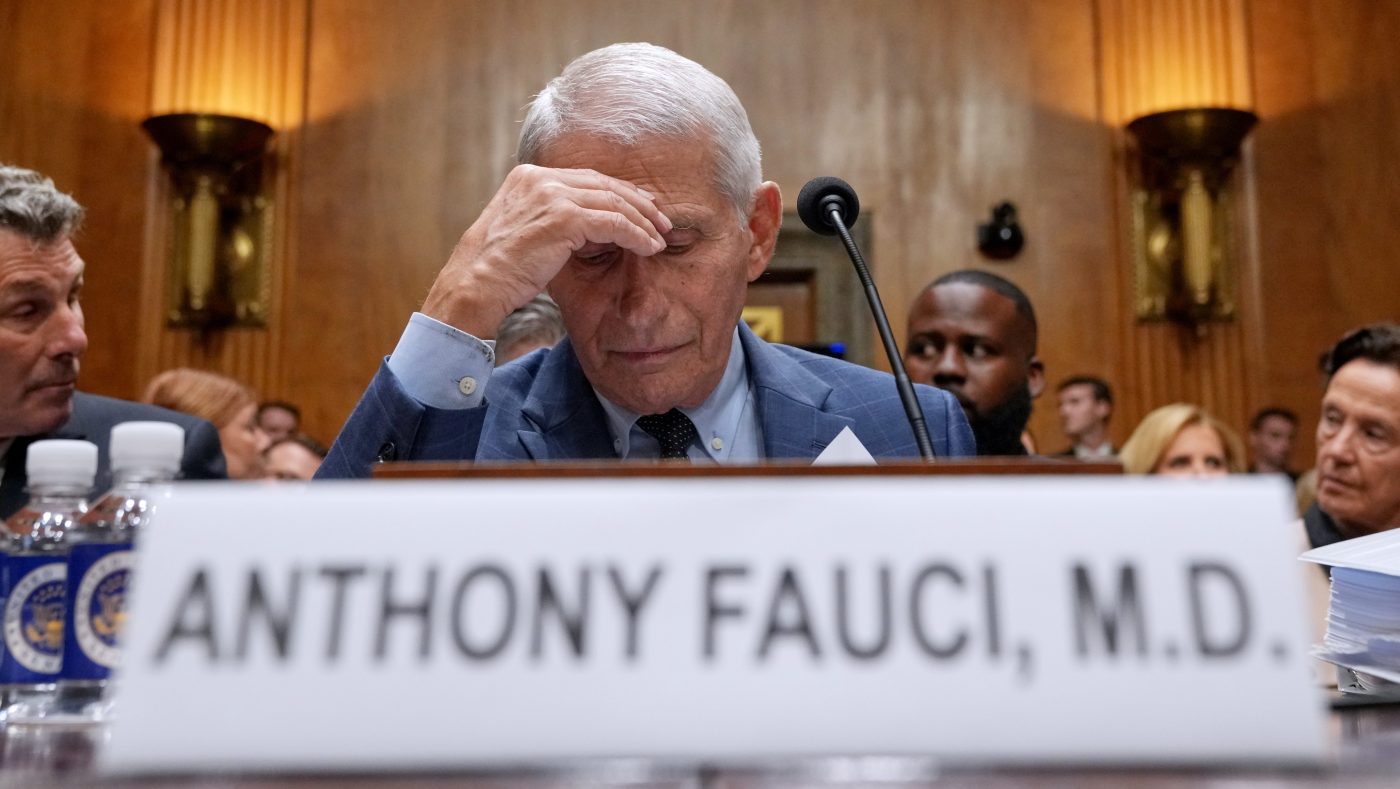
Fauci appeared before the committee on July 20, responding to questions from Senator Rand Paul (R-Ky.), who has long sought to hold him accountable for his role in the COVID-19 pandemic response. Fauci's repeated invocation of the Fifth Amendment—a constitutional right against self-incrimination—drew sharp criticism from Republicans, who argue that his previous public statements contradict his refusal to testify.
According to committee rules, the contempt resolution would need bipartisan support to pass the full Senate. However, proponents have floated an alternative path: routing the referral directly through the Vice President, who as President of the Senate could forward it to the U.S. Attorney for the District of Columbia, bypassing a floor vote.
Fauci's legal team has argued that the blanket pardon issued by President Biden covers all actions he took as a government official, including testimony before Congress. But legal experts note that the pardon does not extend to conduct occurring after its issuance, such as last week's testimony. This nuance is central to the contempt debate, as the clash between the pardon and the Fifth Amendment has created a legal gray area.
During the hearing, Fauci's attorney was briefly excused after attempting to interject on his client's behalf, underscoring the tense atmosphere. Fauci has accused Senator Paul of using the proceedings to try to put him “behind bars,” a charge Paul has denied.
If the committee votes to hold Fauci in contempt, the matter would be referred to the Department of Justice, which would then decide whether to present it to a grand jury. This process mirrors previous contempt cases, such as that of Steve Bannon, who was convicted and served four months in prison for defying a subpoena from the House January 6 Committee. Similarly, Peter Navarro was convicted on two counts of contempt and also served a four-month sentence, a ruling that was upheld by the courts.
The precedent of holding high-profile officials in contempt is not limited to former Trump aides. Earlier this year, House Oversight Chairman James Comer (R-Ky.) initiated contempt proceedings against former President Bill Clinton and Hillary Clinton over their interactions with Jeffrey Epstein, though they ultimately complied with subpoenas and avoided the charge.
Observers note that the Fauci case is unusual because of the pardon factor. If the DOJ proceeds, it could set a precedent regarding the interplay between executive pardons and congressional oversight. The outcome of Thursday's vote will be closely watched, as it could escalate into a broader constitutional confrontation between the legislative and executive branches.
For now, Fauci's fate rests with the committee's decision and the subsequent actions of the Justice Department. The court's handling of Navarro's case suggests that courts are willing to enforce congressional subpoenas, but the unique circumstances here may lead to a different outcome.