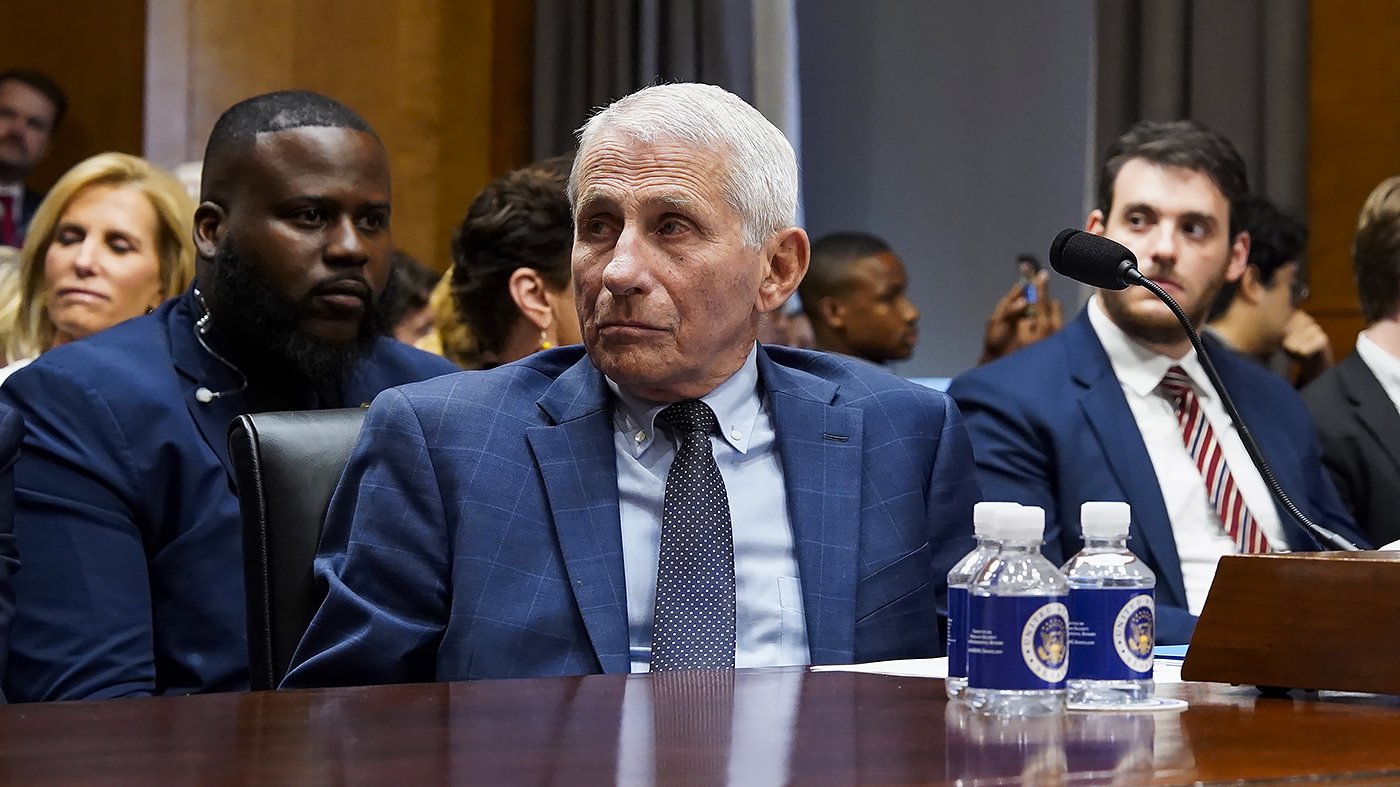
Dr. Anthony Fauci, the former White House medical adviser and COVID-19 response chief, is heading for a contempt vote in a Senate committee next week after he repeatedly invoked his Fifth Amendment rights during a hearing on his pandemic actions. The showdown, orchestrated by Senate Homeland Security and Governmental Affairs Committee Chair Rand Paul (R-Ky.), has ignited a legal debate over whether a presidential pardon nullifies the right against self-incrimination.
Paul argued that Fauci's preemptive pardon from former President Joe Biden, issued on Biden's last full day in office, eliminates any risk of prosecution, making the Fifth Amendment privilege inapplicable. "We believe that with his immunity from criminal liability, that he didn't need to hide behind the Fifth Amendment," Paul told reporters after the hearing. He acknowledged the issue is a "legal question" that courts may need to resolve.
Fauci, however, maintained that the pardon does not shield him from all potential charges, particularly for statements made after its issuance. In his opening remarks, he accused Paul of a personal vendetta, citing the senator's repeated calls for his arrest and the release of his unredacted personal diary. "Any reasonable person who has followed his unhinged obsession with me would readily come to the same conclusion," Fauci said, referencing his fear of entrapment into perjury or false statements.
Legal Gray Area
The conflict centers on a 1896 Supreme Court precedent, which held that a pardon removes the risk of incrimination, thus compelling testimony. But more recent rulings, including a 1980s case, have allowed witnesses to assert the Fifth Amendment in civil depositions even with immunity grants. This tension leaves Fauci's legal exposure uncertain, especially as state-level prosecutions remain outside the federal pardon's reach.
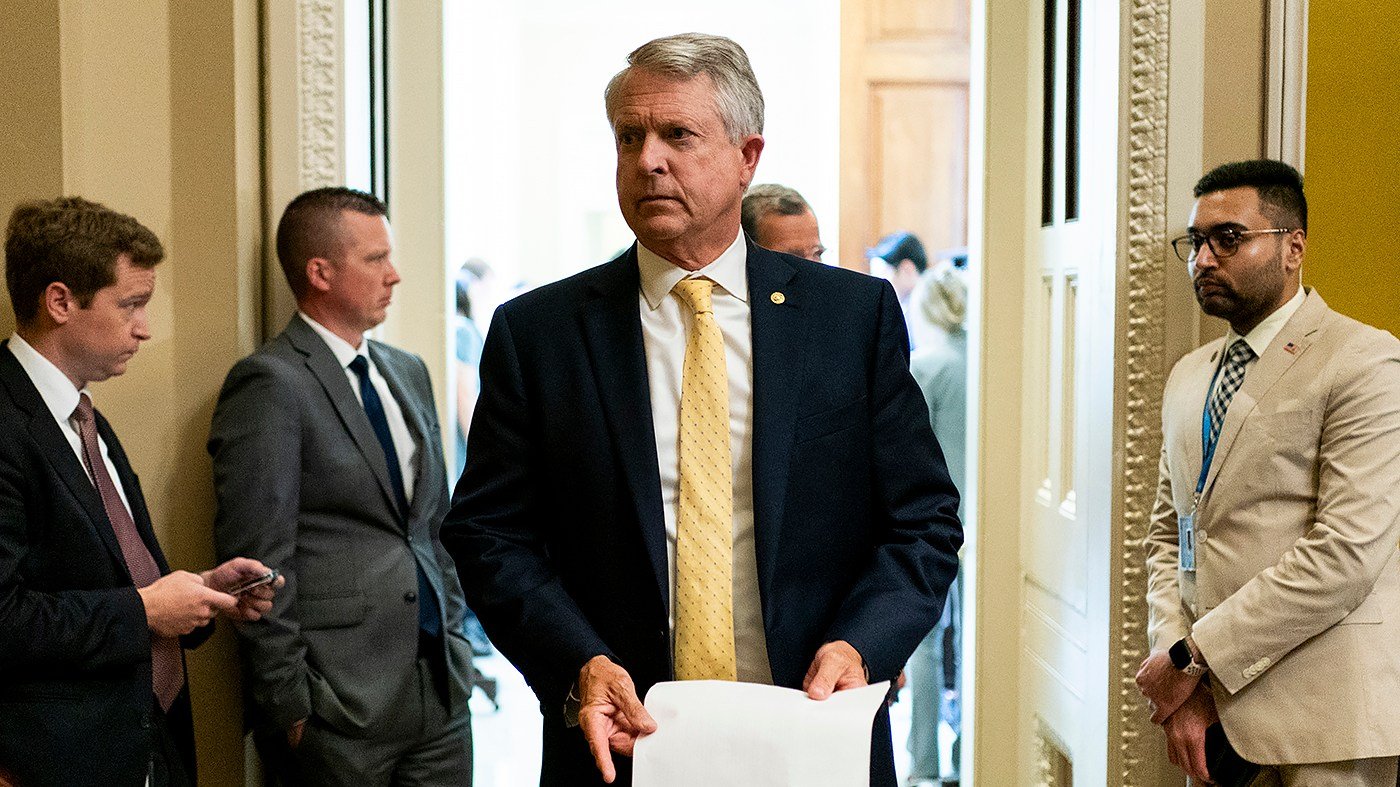
Senator Josh Hawley (R-Mo.) insisted the pardon is so broad that Fauci has "no chance of future prosecution," rendering his Fifth Amendment claims invalid. During the hearing, Hawley even asked Fauci to answer what color tie he was wearing, to which Fauci again pleaded the Fifth. Democrats, including Senator Richard Blumenthal (D-Conn.), defended Fauci's right to remain silent, calling the privilege fundamental.
The hearing saw tense moments when Paul ordered one of Fauci's attorneys removed after the doctor refused to answer questions. "The chairman has denied your assertion of privilege and directed you to answer, but you nonetheless refuse," Paul said, warning of "repercussions." The committee now weighs a contempt referral, which could lead to criminal charges or a civil enforcement action.
For more on the political dynamics, see our coverage of Paul's contempt push and the Democratic accusations of a partisan vendetta. The broader implications for executive power are explored in Trump's endorsement of the pardon.
Fauci's legal team has signaled they will fight any contempt charge, arguing the Fifth Amendment is a bulwark against prosecutorial overreach. As the committee prepares its vote, the standoff underscores the deepening partisan divide over pandemic accountability and the limits of presidential clemency.