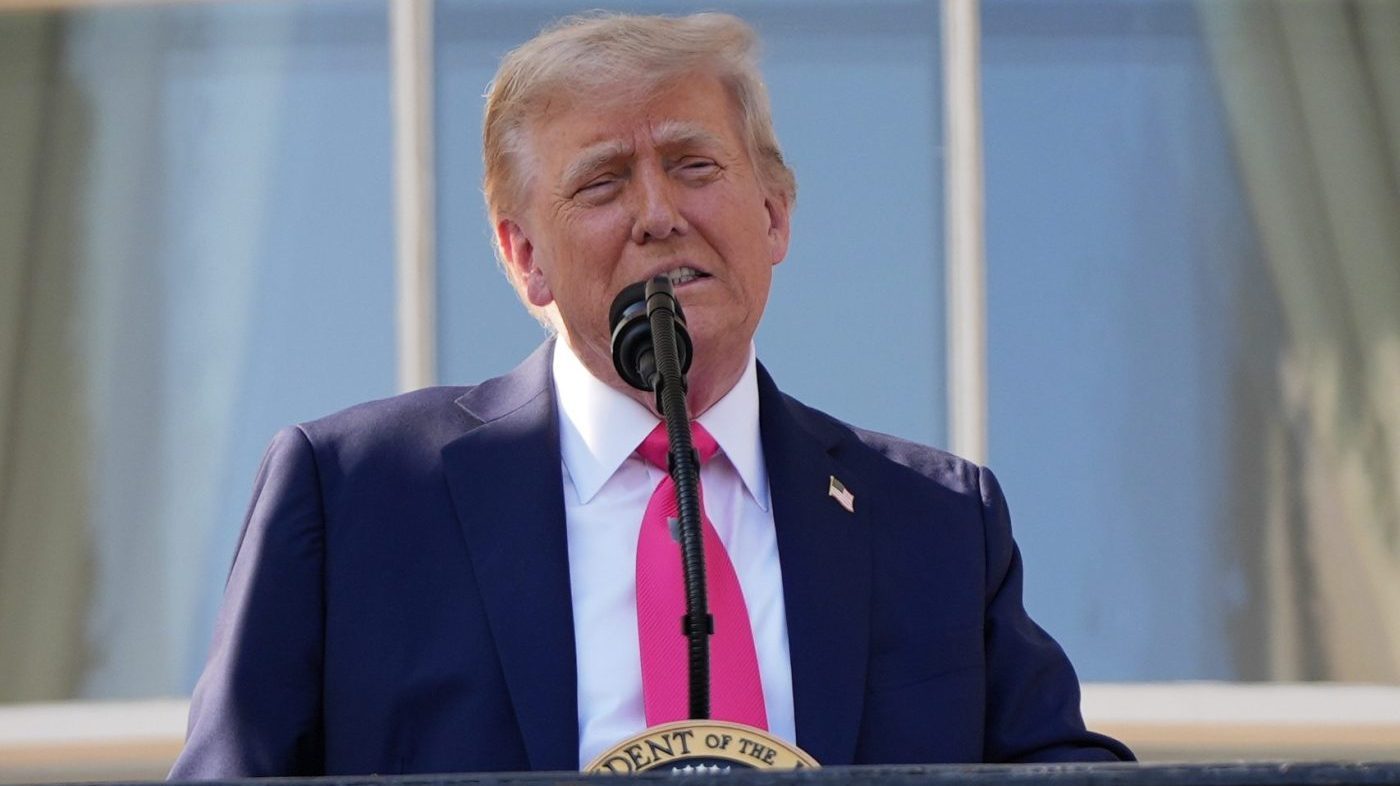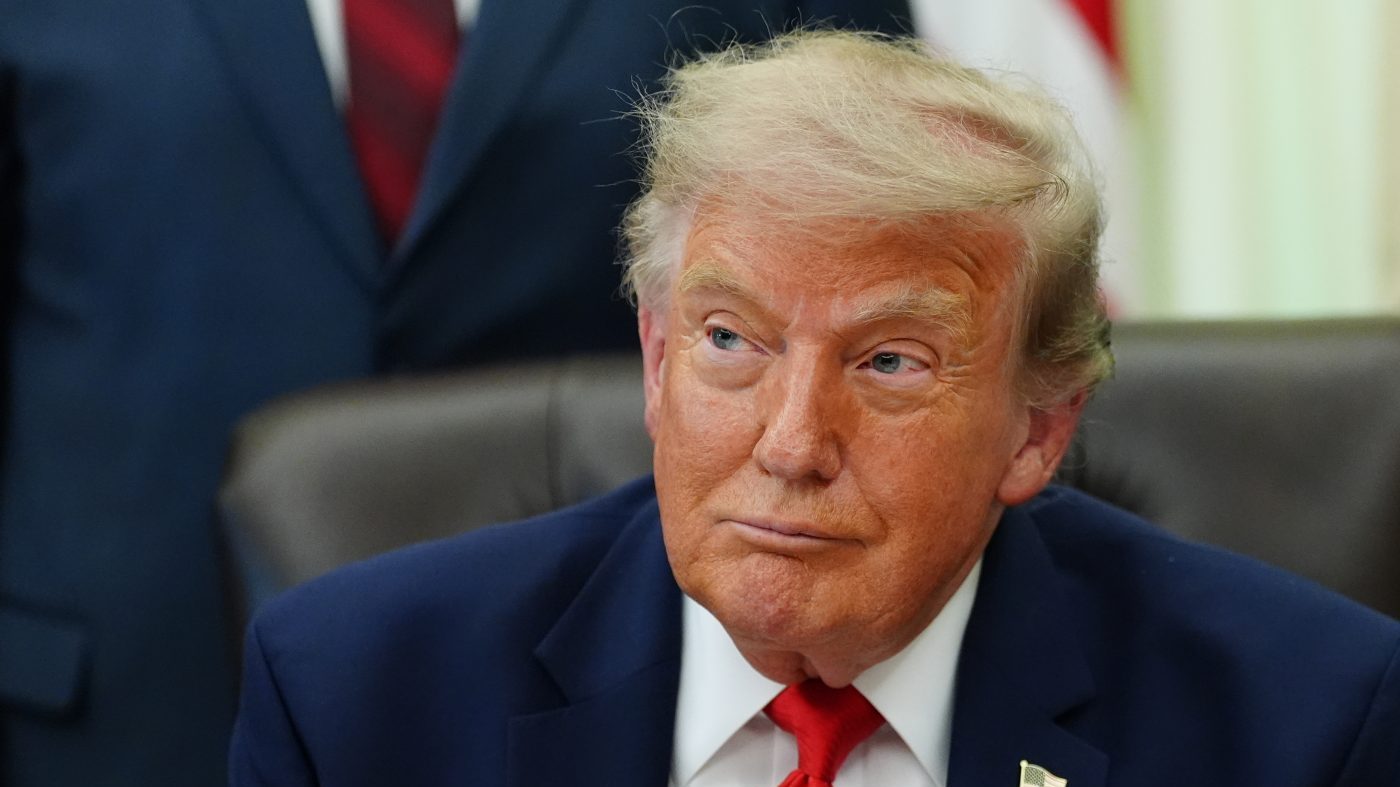
President Donald Trump said Wednesday he respects former President Joe Biden's decision to pardon Dr. Anthony Fauci, the retired infectious disease expert who repeatedly invoked the Fifth Amendment during a Senate hearing on the COVID-19 pandemic. However, Trump raised questions about the legality of the pardon, suggesting Biden may have used an autopen to sign it.
"The most powerful thing a president has, they say, is the power of pardon," Trump told reporters in the Oval Office. "So he was pardoned by Biden and I respect that. I know how powerful it is. ... They say it's literally the most powerful thing a president has."
Biden granted the pardon on his final day in office, covering potential federal offenses from January 1, 2014, to January 20, 2025. Fauci, who served as Biden's chief medical adviser and a key figure in Trump's initial COVID-19 response, retired in 2022 after 38 years leading the National Institute of Allergy and Infectious Diseases.
Trump pivoted to the autopen issue, a topic he and his administration have used to challenge the validity of Biden's official actions. "He probably didn't sign this one," Trump said, referring to the Fauci pardon. "So, I can't tell you what the law is. I've heard that you have to have a lot of proof, you need to have letters, you need to have all sorts of things." He added, "Maybe there's something on the autopen. Other than that, the power of pardon is very powerful."
The president's comments came hours after Fauci appeared before the Senate Homeland Security and Governmental Affairs Committee, where he declined to answer questions 111 times, citing his Fifth Amendment rights. The hearing was marked by sharp exchanges with Republican lawmakers, including committee chair Sen. Rand Paul (R-Ky.), who released thousands of pages of Fauci's diary entries from 2019 to 2022 ahead of the session. In a related development, Paul is pushing a contempt vote against Fauci after the hearing.
In his opening statement, Fauci accused Paul of a personal vendetta, saying, "The only conclusion I can reach is that the sole reason he is calling me before this committee is to get me to say something, anything, that could vindicate his repeated public pledges that I end up, in his words, 'behind bars.'"
Trump, for his part, criticized Fauci's refusal to answer questions. "I inherited Fauci. He was here from the 1980s, so I had him for a period of time. I disagreed with him on a lot. I would've had to close down the whole country if I listened to him," Trump said, calling Fauci's Fifth Amendment invocations "terrible."
The hearing has reignited debate over pandemic-era decisions and accountability. Some media figures have defended Fauci, calling the GOP-led inquiry a "witch hunt." Meanwhile, Paul has vowed to hold a committee vote on a contempt resolution next week, escalating the political battle.
Trump's remarks also touched on broader presidential powers, contrasting with his earlier criticism of Biden's use of the autopen for other orders. The controversy comes as Trump navigates other political fights, including a hold on a key nomination.