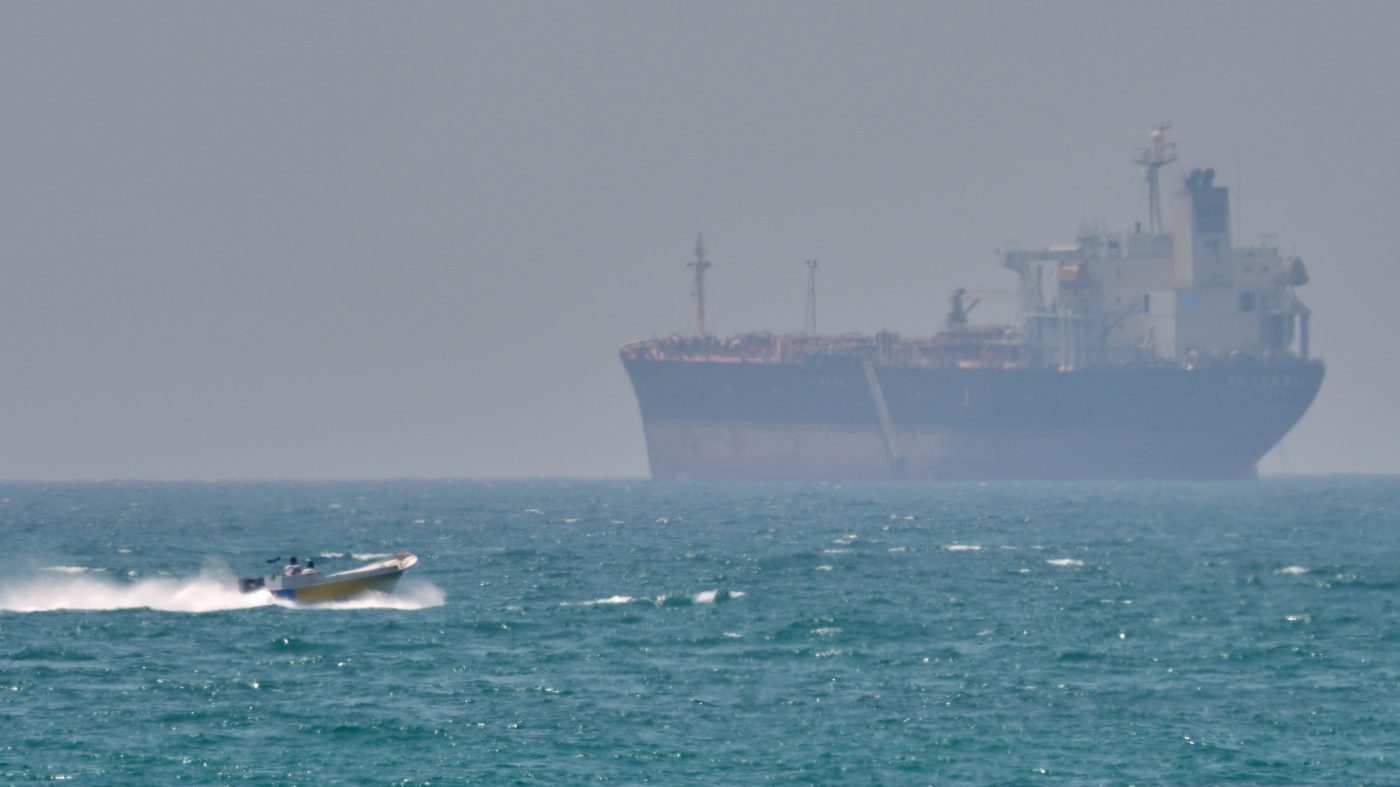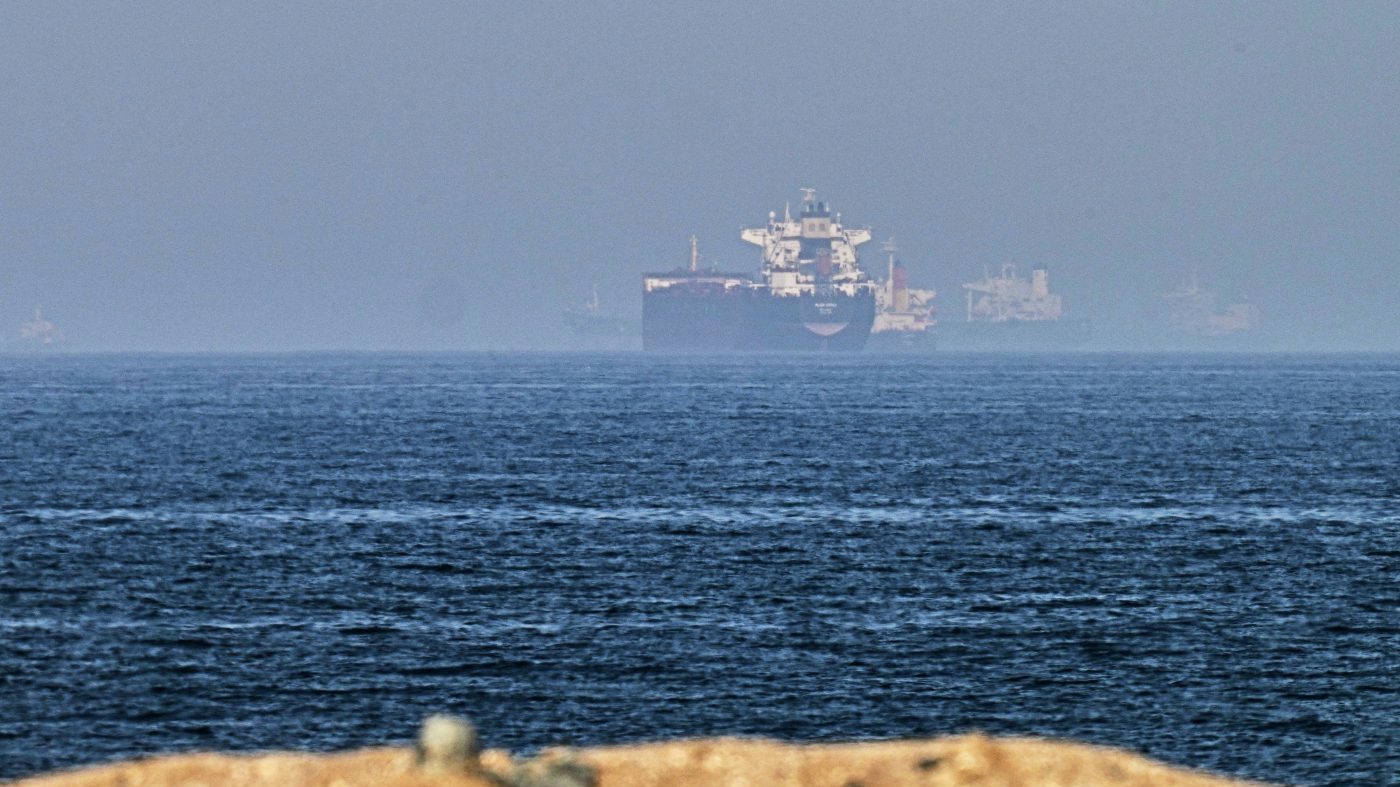
A commercial vessel reported being struck by an unidentified projectile early Monday while transiting the Strait of Hormuz, an incident that underscores the volatile security situation in the region as Washington and Tehran prepare for high-stakes negotiations.
The United Kingdom Maritime Trade Operations Center (UKMTO) said the cargo ship was hit at around 2 a.m. local time, roughly 23 miles northeast of Al Khasab in Oman. The agency noted that the attack is under investigation and advised all vessels to exercise caution and report any suspicious activity.

British maritime security firm Ambrey confirmed the incident and added that the vessel sustained damage. This marks the 26th such report to UKMTO since July 1, reflecting a sharp uptick in maritime threats in the strategic waterway.
Diplomatic Tensions and 'Last Chance' Rhetoric
The attack comes as the United States and Iran are at odds over the prospect of renewed peace talks. President Donald Trump told reporters that Monday's discussions would be Iran's "last chance" to propose a viable solution, warning that he has prepared severe military options if diplomacy fails.
"I want to give them every last chance before decapitation," Trump said in the Oval Office. "Very tough to do what we have planned, still planned. We'll see what happens." He also insisted that despite Tehran's denials, "we are, in fact, talking."
Iran, however, maintains that its dialogue is with Oman, not the United States. Foreign Ministry spokesperson Esmail Baghaei said Tehran is focused on reaching an understanding that would allow safe passage for shipping through the Strait of Hormuz. "We defend our borders, but we do not seek to expand the war," Iranian President Masoud Pezeshkian said on state media.
Trump responded on social media, calling Iran's leaders "unbelievably duplicitous!" The president's alternating threats and overtures have raised doubts about the prospects for a lasting agreement.
Background of Hostilities
The two nations signed an interim peace deal in June that was intended to reopen the Strait of Hormuz, unfreeze Iranian assets, and lift sanctions. However, a nearly two-week barrage of strikes—including Iranian attacks on Gulf partners and Houthi actions in the Red Sea—has reignited conflict.
Over the weekend, Trump called off a planned attack on Iran, which he later described as "the biggest attack since World War II," before announcing that talks would proceed after the "perimeters" of a deal were reached.
Analysts note that the latest threats to bomb Iranian infrastructure and the ongoing military strikes near the strait have escalated tensions. Meanwhile, Trump's diplomatic approach has stumbled as Tehran pursues its own channel through Oman.
The international community watches closely, as any disruption to the Strait of Hormuz—a conduit for about 20% of global oil—could have severe economic and geopolitical ramifications.