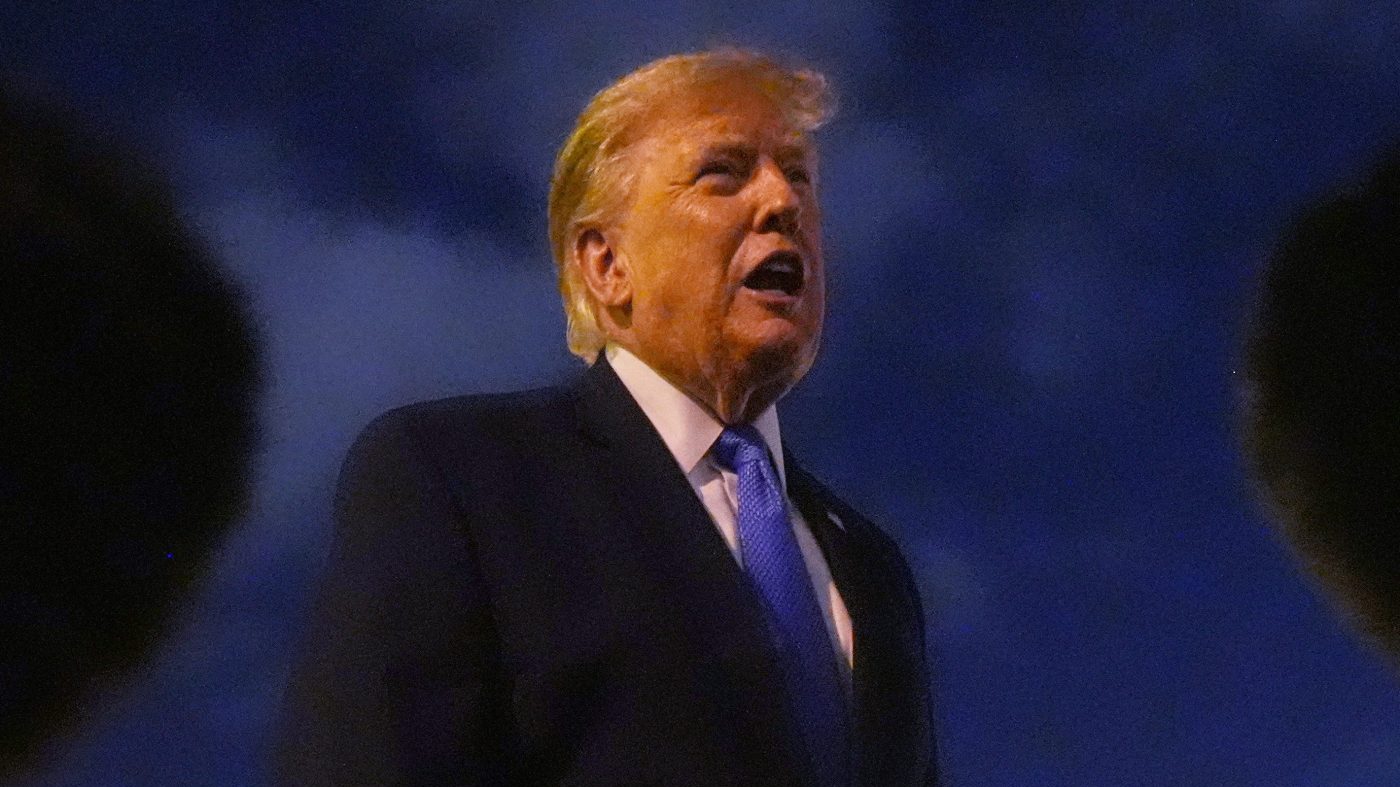
President Trump indicated late Tuesday that the United States and Iran are nearing an agreement to reopen the Strait of Hormuz, a vital artery for global oil shipments. Speaking after a Republican National Committee fundraiser in Los Angeles, Trump said, "It could happen. Tomorrow or the next day," adding that "a lot of progress has been made."
In an interview with Fox News, Trump described "very good discussions" with Iranian officials, noting that negotiations had been ongoing "all day." He expressed confidence that the strait "is going to be open very soon," but also issued a warning: "If they back out again, they are going to get hit really hard."

The prospect of a deal helped ease oil prices, with Brent crude slipping 1.6% to $80.59 per barrel early Wednesday. The U.S. national average for gasoline ticked down a cent to $4.08, according to AAA, after energy costs spiked when Tehran closed the strait.
Both sides have returned to the negotiating table after an interim peace deal signed in June was shelved. That agreement was meant to pave the way for a final settlement covering the reopening of the strait, the future of Iran's nuclear program, and other unresolved issues.
The region has seen escalating violence, including the deaths of four U.S. service members since hostilities resumed after July 7. Iran-backed Houthi militants in Yemen have also imposed a blockade in the Red Sea, halting Saudi oil shipments and raising fears of a wider conflict. Trump said he called off a "massive attack" at the request of Saudi Arabia, the UAE, and Qatar.
Axios, citing two regional sources and a U.S. official, reported that Washington and Tehran are close to a new interim deal, with an announcement possible on Wednesday. That arrangement could include a 60-day framework giving Oman a shared role in overseeing the strait. However, Iranian officials, speaking through the state-run Fars News Agency, insisted that talks are only being held with Oman, not the U.S. An Iranian source claimed that "certain American officials have been disrupting the negotiation process—either directly or through regional intermediaries—and the concern remains that such U.S. and regional obstructionism could either prolong the talks or derail them entirely."
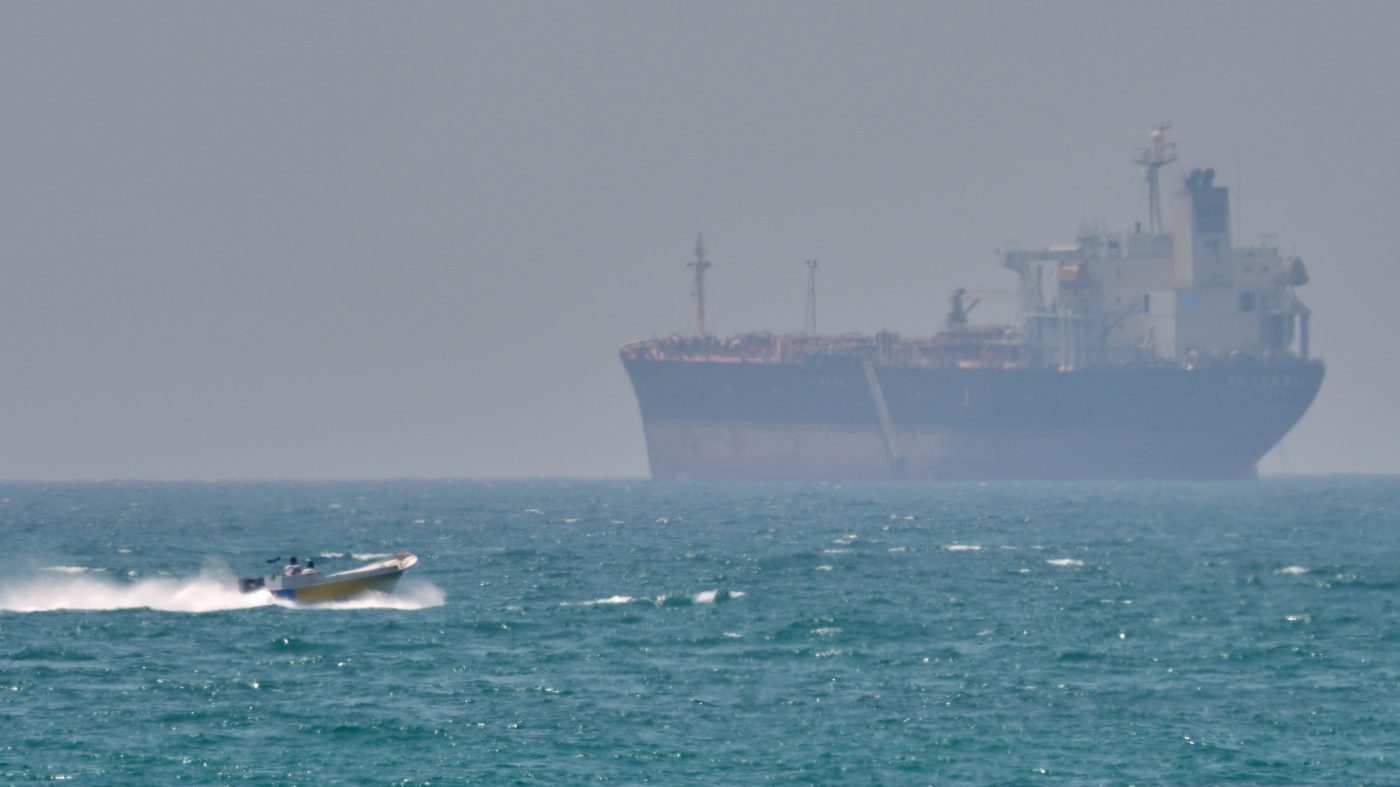
The closure of the strait has left shipping lanes perilous. One vessel was recently "hit by an unknown projectile" near Oman's coast, and an Indian-flagged ship sank off Yemen after being struck by an explosives-laden boat, according to Yemeni and Indian authorities. No group has claimed responsibility for either attack.
As the world watches for a breakthrough, the stakes remain high. A successful deal could stabilize energy markets and ease tensions in the Gulf, while failure could trigger renewed conflict. The coming days will be critical in determining whether the two adversaries can bridge their differences or slide back into confrontation.