A new report highlights how several states, including New Mexico, are leveraging a legislative loophole in the One Big Beautiful Bill Act to delay implementing reforms aimed at reducing food stamp waste, fraud and abuse. The report, authored by Hayden Dublois of the Foundation for Government Accountability, points to a perverse incentive: the worse a state's error rate, the longer it can avoid financial penalties.
The Loophole's Origins
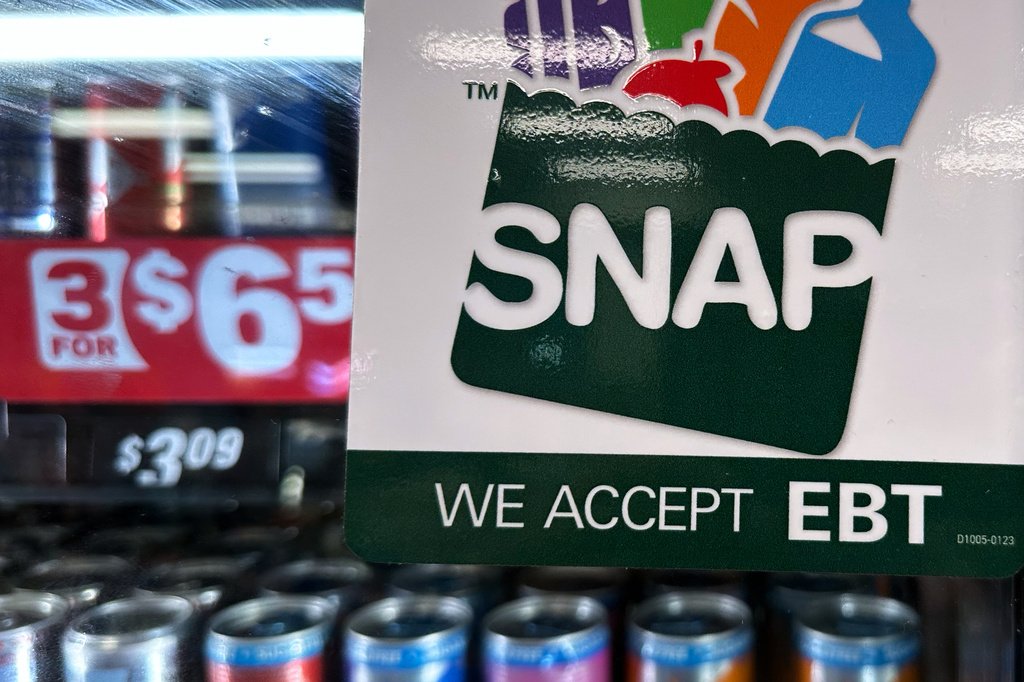
The One Big Beautiful Bill Act introduced a significant change to the Supplemental Nutrition Assistance Program (SNAP), commonly known as food stamps. Historically, states managed their own rolls but the federal government covered 100% of the program's $100 billion annual cost, leaving states with little incentive to curb misspending. Starting in fiscal 2028, states with error rates above a certain threshold will be forced to absorb up to 15% of benefit costs tied to waste, fraud, and abuse.

However, a carveout secured by Sen. Lisa Murkowski (R-Alaska) allows states to avoid penalties if their error rate exceeds 13.34%. This threshold was designed to protect Alaska, which had a staggering 60.4% error rate in 2023. But the unintended consequence is that states can now deliberately keep their error rates high to delay accountability.
New Mexico's Deliberate Inaction
New Mexico is a prime example. In fiscal 2024, its error rate was 14.6%, above the penalty threshold. Niki Kozlowski, director of the Income Support Division at New Mexico's Health Care Authority, admitted last year that she has no plans to meaningfully tackle the issue, calling it a “balancing act” between reducing misspending and avoiding accountability. The federal government's fiscal 2025 data shows New Mexico's error rate rose to 16.8%, a clear sign the state is moving in the wrong direction.
Other states are following suit. Alaska, Georgia, Oregon, and Washington, D.C. all had error rates above 13.3% before the law and have shown little improvement or have worsened. Delaware and Illinois saw significant increases between 2024 and 2025, with Illinois jumping from 12.3% to 16% and Delaware from 11.5% to 14.6%.
Mixed Progress and Political Calculations
Some states are proving progress is possible. New Jersey's error rate fell from 14.3% to 6.8%, and it could soon drop below the 6% threshold that triggers penalties. New York, Maryland, Massachusetts, and Florida all fell below the loophole level in 2025, but Maryland (13.08%) and New York (13.18%) remain perilously close to the 13.3% threshold, leaving room for backsliding.
Political dynamics are also at play. The Senate's draft farm bill, influenced by Democratic demands, proposes delaying penalties by another year. States may be betting that if Democrats regain power, the penalties will be repealed entirely, making reform unnecessary.
Calls for Accountability
Dublois argues Republicans should not give in to these pressures. “The loophole shouldn't exist at all,” he writes, urging GOP lawmakers to resist Democratic efforts to gut the reform and to pressure states to enact meaningful changes. The report underscores that states have tolerated waste, fraud, and abuse for decades, and it's time they face consequences for their gross abuse of taxpayer dollars.
As the debate over welfare reform continues, the report serves as a warning that without vigilance, the intended safeguards of the One Big Beautiful Bill Act could be undermined by states seeking to avoid responsibility.