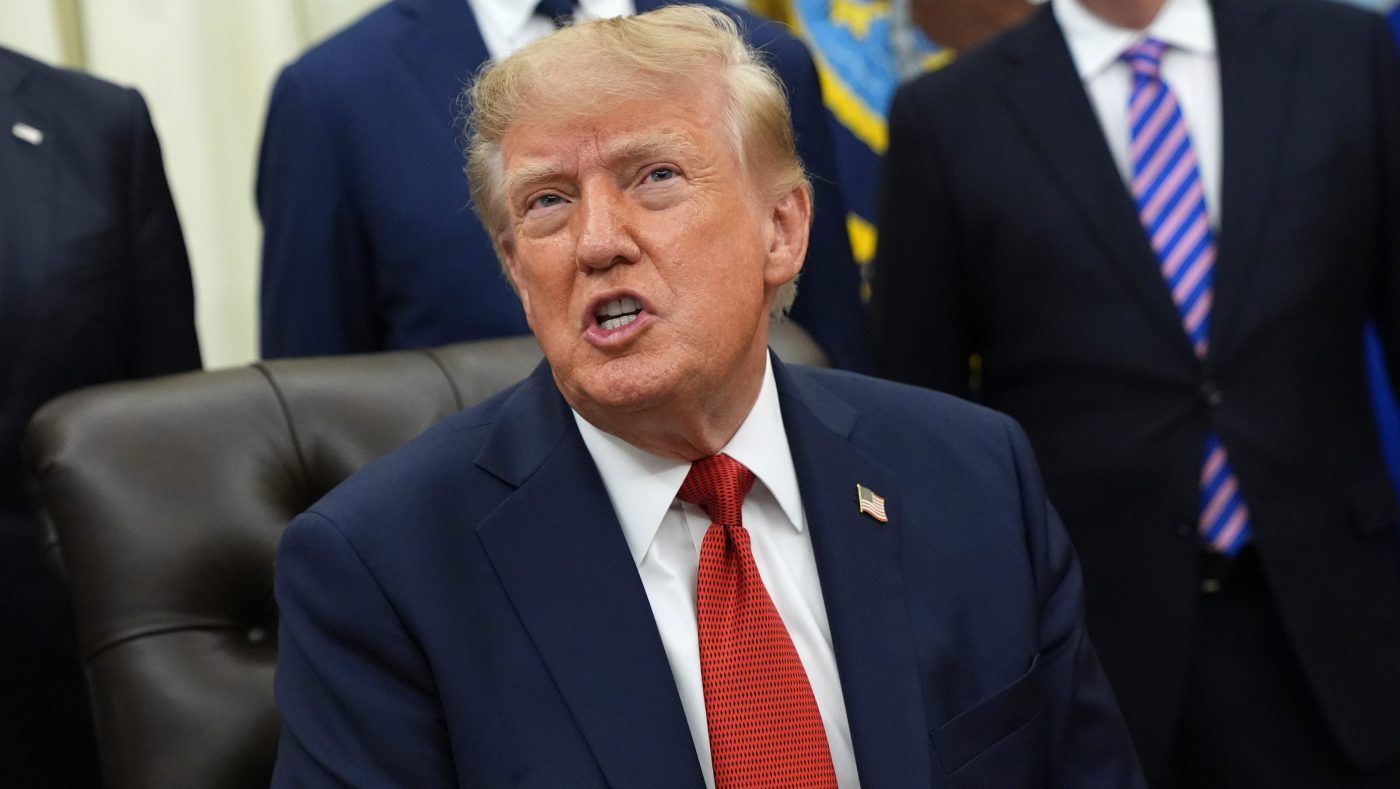
President Trump on Friday touted a new Medicaid drug pricing arrangement, saying all 50 states, the District of Columbia, and Puerto Rico have applied to participate, a move he claimed could be a decisive factor in the upcoming midterm elections.
"This one thing alone should win us the midterms," Trump told reporters in the Oval Office, framing the initiative as a direct response to voter concerns about prescription drug costs.
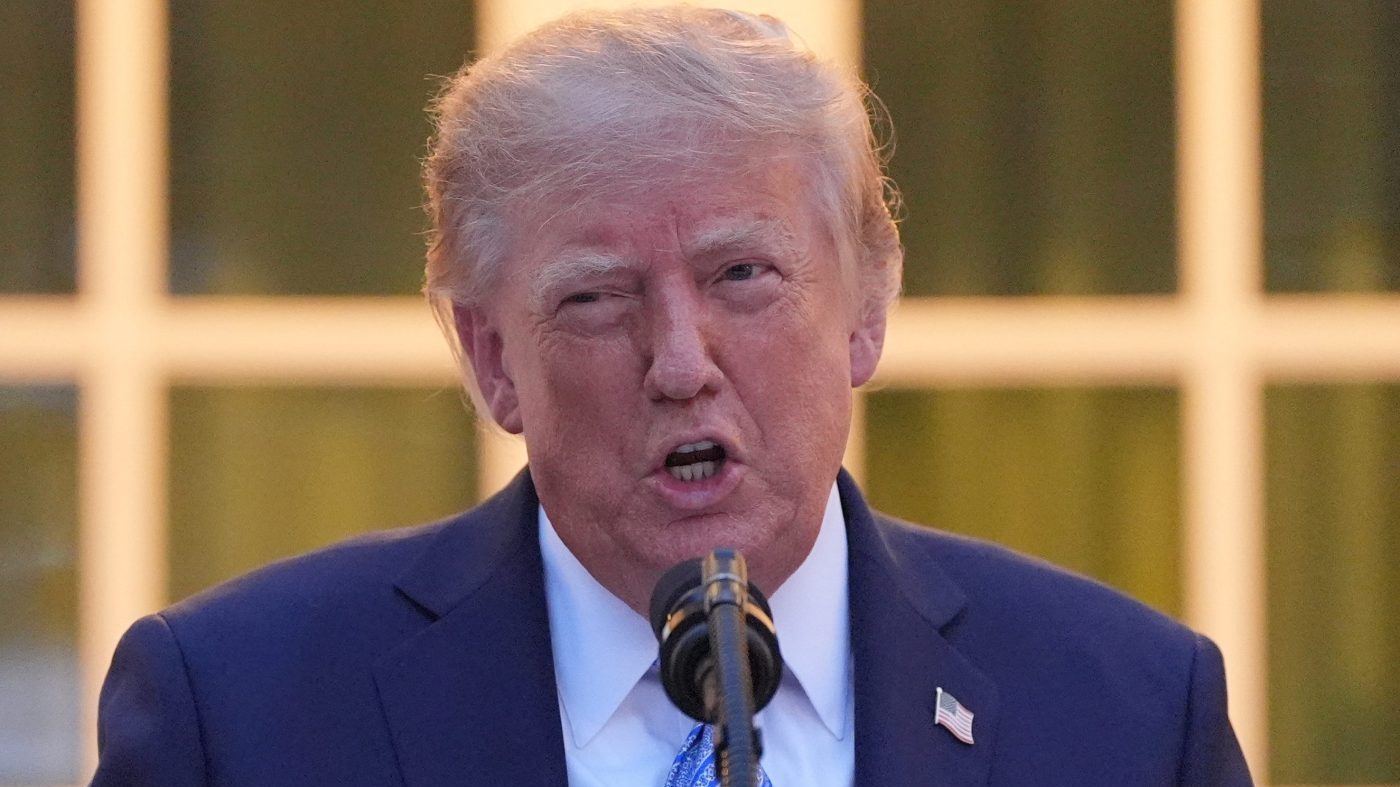
The Centers for Medicare and Medicaid Services (CMS) confirmed that 40 states and Puerto Rico have already signed agreements, though applying does not commit states to participate. The administration's "GENEROUS" model allows states to purchase drugs at prices aligned with those in other developed countries, with the goal of securing fairer, more competitive pricing for Medicaid programs.
The announcement comes as affordability remains a top issue for voters heading into November. Trump has also struck deals with pharmaceutical companies to tie the cost of certain U.S. drugs to what companies charge other wealthy nations. However, critics argue the administration is merely offering a band-aid solution, with no comprehensive plan to address rising healthcare costs—particularly those stemming from the expiration of enhanced ObamaCare premium subsidies under Republican policies.
Under the model, participating drug companies will provide rebates to state Medicaid programs on selected brand-name drugs, ensuring that the final price paid by Medicaid does not exceed what is charged in other developed nations. More than two dozen drug companies have agreed to participate in exchange for tariff relief and exemptions from a similar pricing plan for Medicare.
"Medicaid programs will get the best possible price for drugs, delivering better value for taxpayers and freeing up funds to give vulnerable Americans the high-quality care they deserve," said CMS Administrator Mehmet Oz.
The model covers hundreds of individual drugs across major therapeutic classes, including oncology, diabetes care, and asthma. The White House Council of Economic Advisers estimates the "most-favored nation" (MFN) deals will generate $36.6 billion in federal savings and $27.6 billion for states.
Yet Medicaid drugs are already subject to significant discounts, and many details of the agreements remain confidential, making the true impact on drug costs and accessibility uncertain. Critics contend that drug companies are not meaningfully lowering prices.
"Big Pharma expects little to no financial impact from these short-term Medicaid deals. Instead, pharma companies and Trump appear to have worked together to offer minor concessions to avoid taking more meaningful action to lower prices," said Peter Maybarduk, Access to Medicines director for Public Citizen, calling the agreements a "charade."
As the administration rolls out this initiative, it remains to be seen whether it will resonate with voters or be overshadowed by broader healthcare policy debates. The move is part of a broader strategy to highlight cost-cutting measures ahead of the elections, but with skepticism from both sides of the aisle, the political payoff is uncertain.