
Philadelphia health officials issued a public warning Thursday night about a potential measles exposure at Children's Hospital of Philadelphia (CHOP), adding to growing concerns as Pennsylvania's measles outbreak intensifies.
The possible exposure occurred on Friday, Sept. 11, at the hospital's main campus at 3401 Civic Center Boulevard. Officials identified specific locations and times where individuals may have been in contact with the virus: the CHOP NICU West unit and its family lounge from 9:30 a.m. to 4:15 p.m., the hospital's Atrium during the same hours, and the Main Cafeteria from 12:05 p.m. to 2:45 p.m.
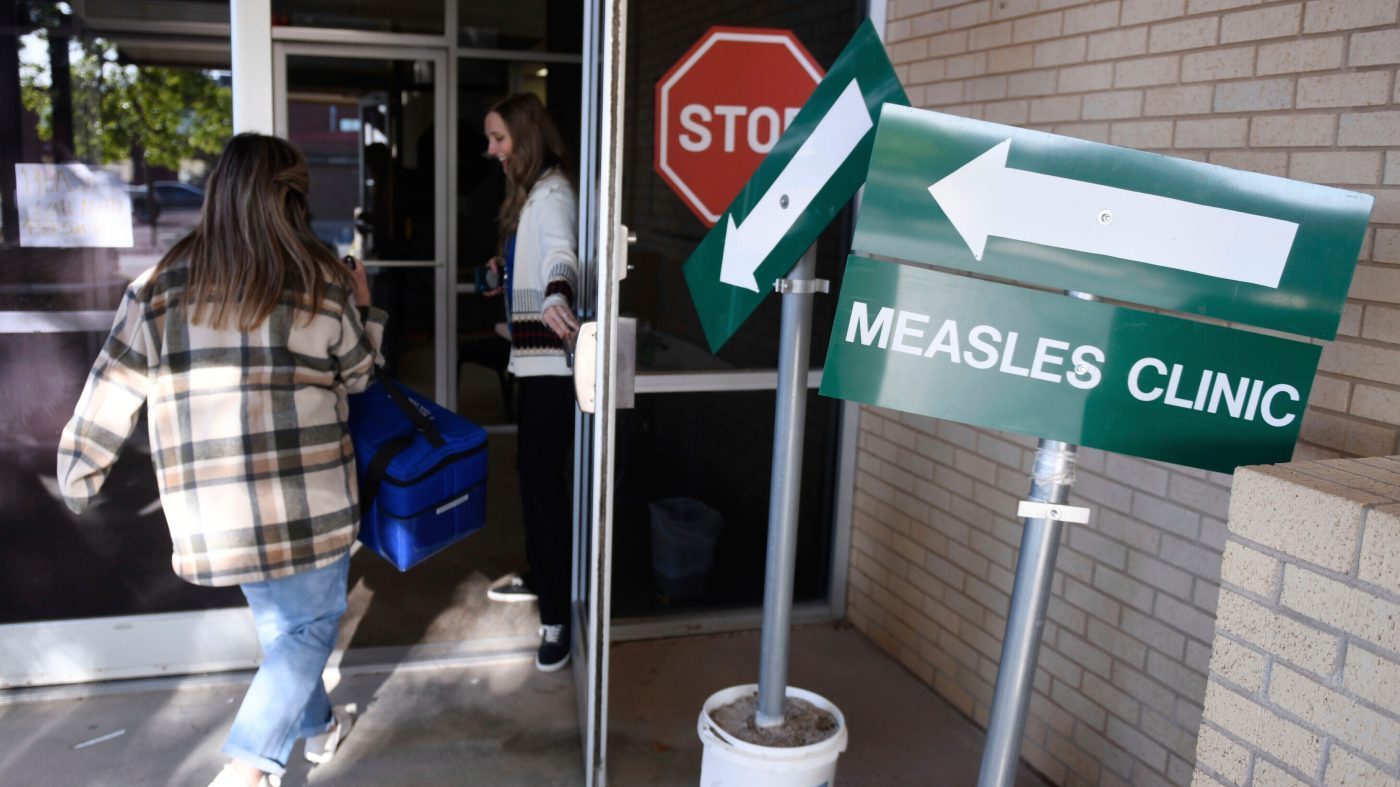
In an official statement, health authorities said they are coordinating closely with CHOP and the Pennsylvania Department of Health to protect vulnerable infants. "CHOP, the Pennsylvania Department of Health, and PDPH are working closely to ensure infants in the NICU receive a preventative antibody product to prevent or lessen severe disease and to take steps to prevent the further spread of measles," the announcement read. The Philadelphia Department of Public Health (PDPH) is urging anyone who may have been exposed to verify their vaccination status and monitor for symptoms.
This warning comes on the heels of two newly reported measles-related deaths in Pennsylvania, bringing the state's total to four this year. The rising fatality count has put renewed scrutiny on the state's handling of the outbreak, with public health experts calling for more aggressive containment measures.
The outbreak has also sparked political friction. Earlier this week, reports emerged that Pennsylvania was conditioning federal aid on acknowledging the true scale of measles deaths, a move that drew criticism from some lawmakers who accuse the administration of downplaying the crisis. Meanwhile, the CDC's response has been questioned, with the agency chief's silence during the crisis raising alarms among public health officials.
In neighboring New York, authorities have launched a measles tracker as cases climb to 57, highlighting the regional nature of the outbreak. Philadelphia's latest exposure underscores the ongoing risk in hospitals, where the most vulnerable patients—including newborns in intensive care—are particularly susceptible.
Health officials are reminding the public that measles is highly contagious and can remain airborne for up to two hours after an infected person leaves the area. Symptoms typically appear seven to 14 days after exposure and include high fever, cough, runny nose, and a characteristic rash.
PDPH is advising anyone who was at the specified locations during the listed times to check their immunization records and contact a healthcare provider if they develop symptoms. Unvaccinated individuals are urged to receive the MMR vaccine as soon as possible, as it is the most effective protection against the virus.
The situation in Pennsylvania reflects a broader national concern about vaccine hesitancy and public health preparedness. As the death toll mounts, officials are facing mounting pressure to adopt more transparent and aggressive strategies to curb the spread.