ALBANY, N.Y. — New York State health officials on Tuesday unveiled an online dashboard to track a measles outbreak that has sickened at least 57 residents so far this year, as the highly contagious virus spreads through rural upstate communities.
The New York State Department of Health (DOH) said the new tracker will provide up-to-date case counts and geographic breakdowns, part of an aggressive push to curb the outbreak. State Health Commissioner Dr. James McDonald stressed the importance of immunization, saying in a statement, “Measles is highly contagious and can cause serious illness and hospitalizations, yet it is effectively prevented with up-to-date measles immunizations.”
As of Sept. 12, the state had confirmed 51 cases outside New York City and six within the city, according to DOH data. That brings the 2026 total to 57, surpassing last year's statewide count of 48. Nationally, the Centers for Disease Control and Prevention (CDC) has recorded 3,294 measles cases in 2026 as of Sept. 11 — a jump of more than 1,000 from the same point in 2025, when public health experts called for a federal emergency declaration.
The outbreak has hit the Southern Tier and Finger Lakes regions hardest. Steuben County leads with 10 confirmed cases, followed by Seneca County with nine and Otsego County with seven. In August, officials detected “wild-type” measles in wastewater in Montgomery and Yates Counties, signaling broader silent transmission.
With schools back in session, health officials are particularly concerned about the virus concentrating among unvaccinated children. Nationally, patients aged 5 to 19 account for roughly half of all 2026 cases. New York state law requires students from nursery through 12th grade to be vaccinated to attend school, but enforcement varies.
The DOH recommends the combined MMR vaccine, which provides 93% protection after one dose and 97% after two. The CDC advises children get their first dose at 12–15 months and a second at 4–6 years, with an early dose for infants as young as 6 months traveling internationally or to high-risk areas. The state's immunization push comes amid federal policy battles over vaccine mandates and public health messaging.
Notably, DOH has resisted President Trump's executive order directing federal agencies to split the MMR vaccine into separate doses, arguing there is no medical benefit to doing so. This defiance highlights the ongoing tension between state and federal health officials during the outbreak.
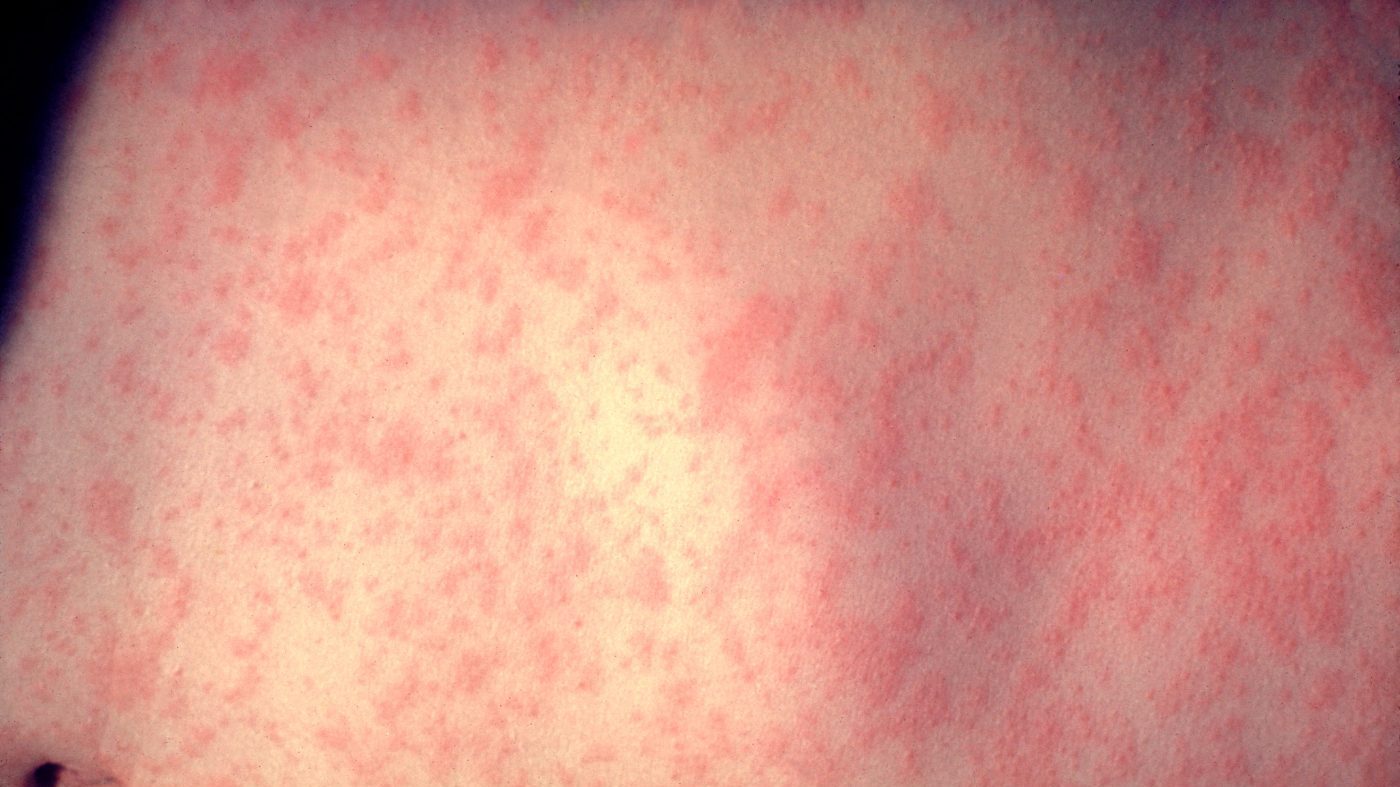
The measles virus spreads through airborne droplets when an infected person coughs or sneezes, and it can linger in a room for up to two hours. Symptoms typically appear one to two weeks after exposure and include high fever, cough, runny nose, and red, watery eyes, followed by a characteristic rash that spreads from the face downward. Infected individuals can transmit the virus up to four days before the rash appears, prompting DOH to advise a 21-day quarantine for those exposed and isolation for at least four days after rash onset.
Serious complications can include severe pneumonia, brain swelling, and long-term immune system damage, according to DOH. Health officials urge anyone feeling sick to call ahead to their clinic or emergency room so staff can take proper precautions. The new dashboard is part of a broader effort to keep the public informed as the state grapples with the broader regional outbreak and rising case numbers.