A 40-year-old woman from Jefferson County, Pennsylvania, died Saturday from complications related to measles, according to the county coroner's office. The death marks the third measles-related fatality in the state this year, as the commonwealth continues to battle a significant outbreak.
Coroner Greg Furlong announced the death on Facebook, noting that his office is coordinating with the Pennsylvania Department of Health. He described the loss as "heartbreaking" and stressed that measles can be a serious, life-threatening illness. Furlong also asked the public and media to respect the family's privacy during their time of mourning.
The Pennsylvania Department of Health confirmed to NBC News that it is aware of the woman's death and is conducting a thorough review. The department said it will provide updated information to the public as it becomes available.
Jefferson County Chief Deputy Coroner Jason Stiver reinforced the need for vigilance, urging residents to follow public health guidance. "While cases of severe illness remain uncommon, this tragedy highlights that measles should not be taken lightly," Stiver said. He emphasized the importance of public health measures, early symptom recognition, and consulting healthcare providers.
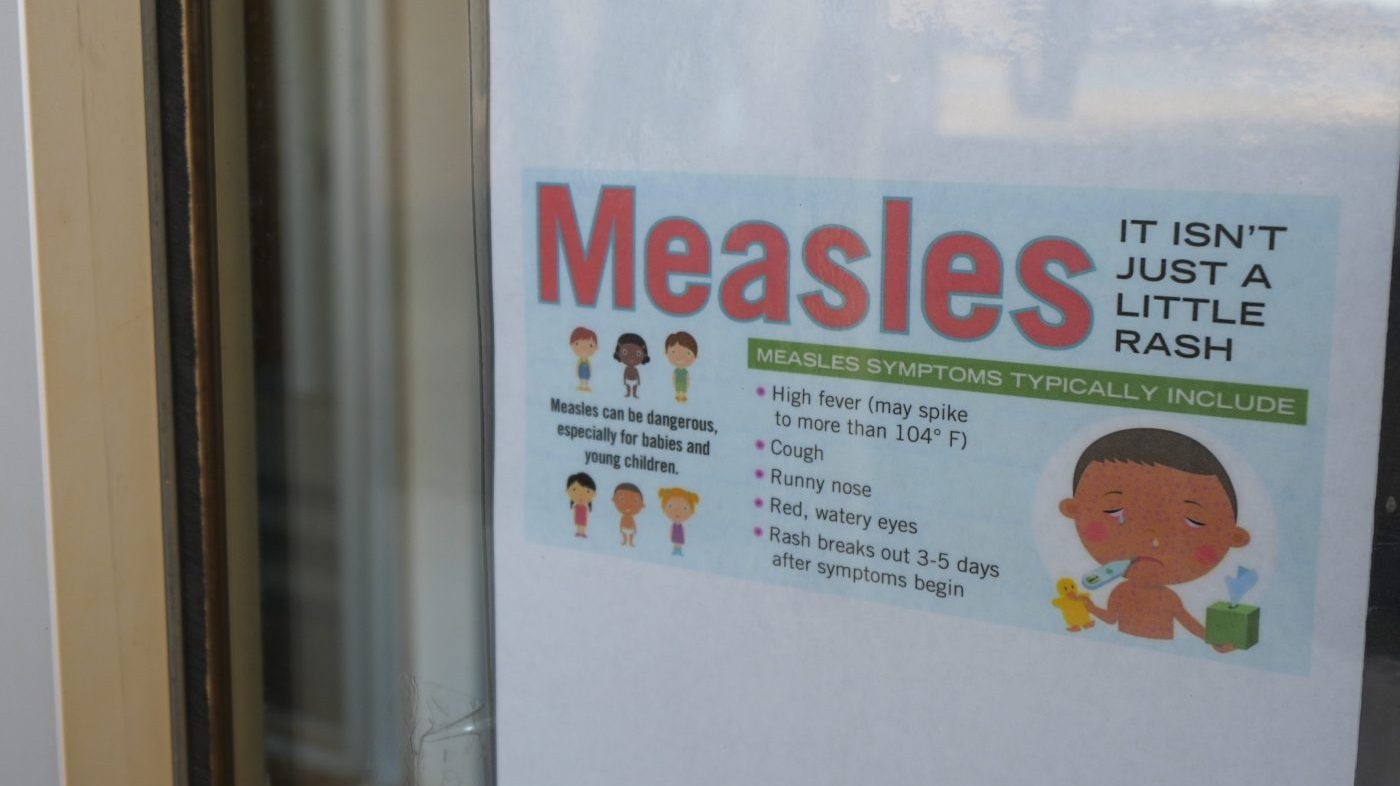
Measles symptoms typically appear 7 to 14 days after exposure, starting with fever, cough, runny nose, and red, watery eyes, followed by a characteristic red rash, according to the Centers for Disease Control and Prevention (CDC). The disease poses particular danger to infants and young children and can lead to severe complications such as pneumonia and brain swelling.
Earlier this month, Pennsylvania health officials reported two measles-related deaths in Lancaster County—both in unvaccinated individuals, including an infant. Those were the first measles fatalities in the state in 35 years and the first in the U.S. this year. As of Friday, the outbreak has sickened 676 people and led to 124 hospitalizations.
The CDC has, however, disputed the two Lancaster County deaths, excluding them from its official weekly tally. The agency's website carries an asterisk explaining that it is reviewing additional information regarding the circumstances and causes of death. The CDC stated it cannot yet determine whether measles caused or contributed to those deaths or whether the individuals died from other causes while infected. The agency said it will update the national count as more information becomes available.
The federal-state clash over the death count has added a political dimension to the public health crisis. The standoff between Pennsylvania and federal health officials underscores the broader tensions in how the outbreak is being managed. Meanwhile, the CDC director's lack of public engagement has drawn criticism, with information coming only through social media and politically charged statements.
Governor Josh Shapiro's handling of the outbreak has also come under scrutiny, with accusations of political exploitation from some quarters. The situation highlights gaps in the nation's disease tracking infrastructure, as the outbreak exposes weaknesses in surveillance and reporting.