Pennsylvania health officials announced last week that two unvaccinated individuals, including an infant, died from measles-associated conditions. The announcement, however, has ignited a fierce political dispute between the state's health department and the Centers for Disease Control and Prevention (CDC), which has publicly questioned the findings and has not yet included the deaths in its national tally.
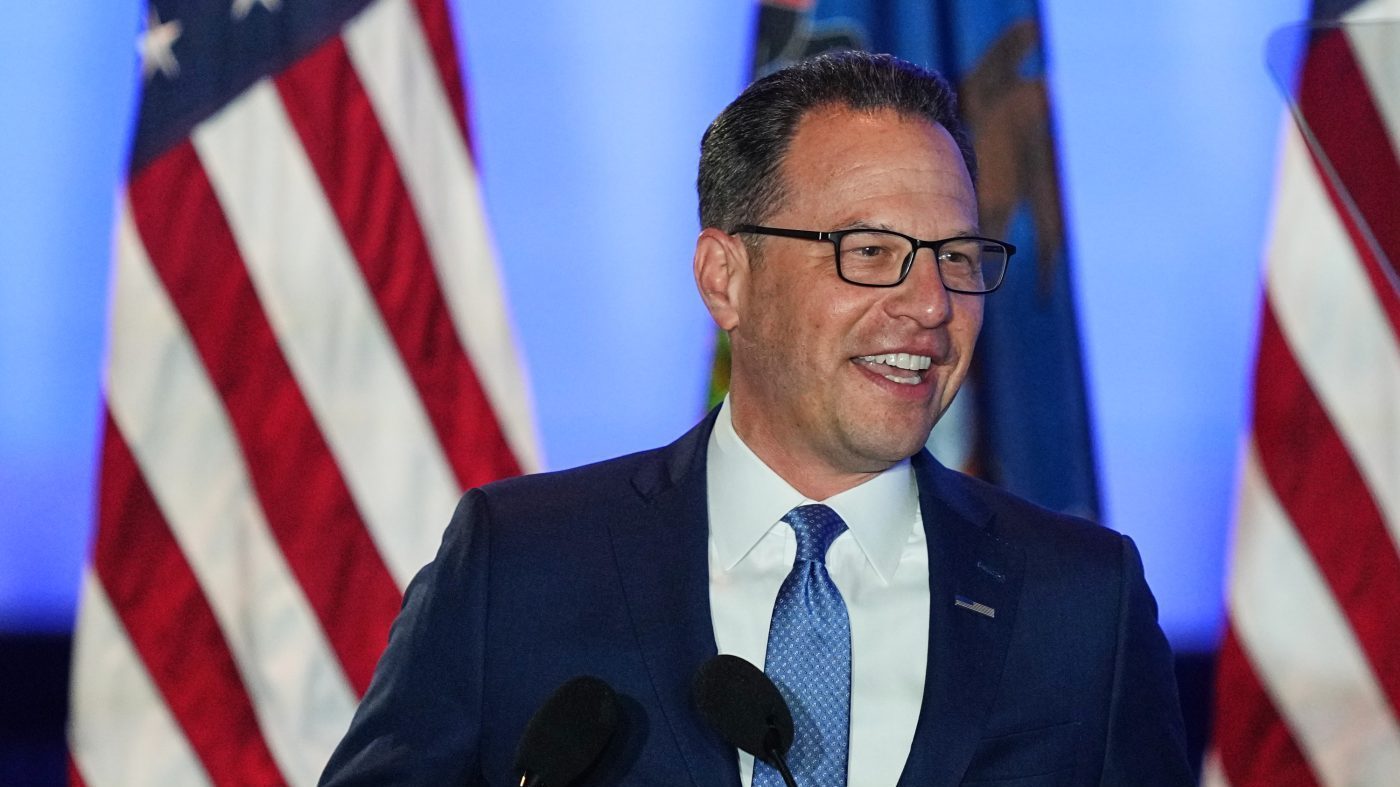
The controversy began when the Pennsylvania Department of Health recorded its first measles deaths in 35 years. Both victims were from Lancaster County and were unvaccinated. The state described the deaths as "measles-associated," but initially provided no further details. At a press conference, Governor Josh Shapiro and state health secretary Dr. Debra Bogen declined to elaborate, citing patient confidentiality.
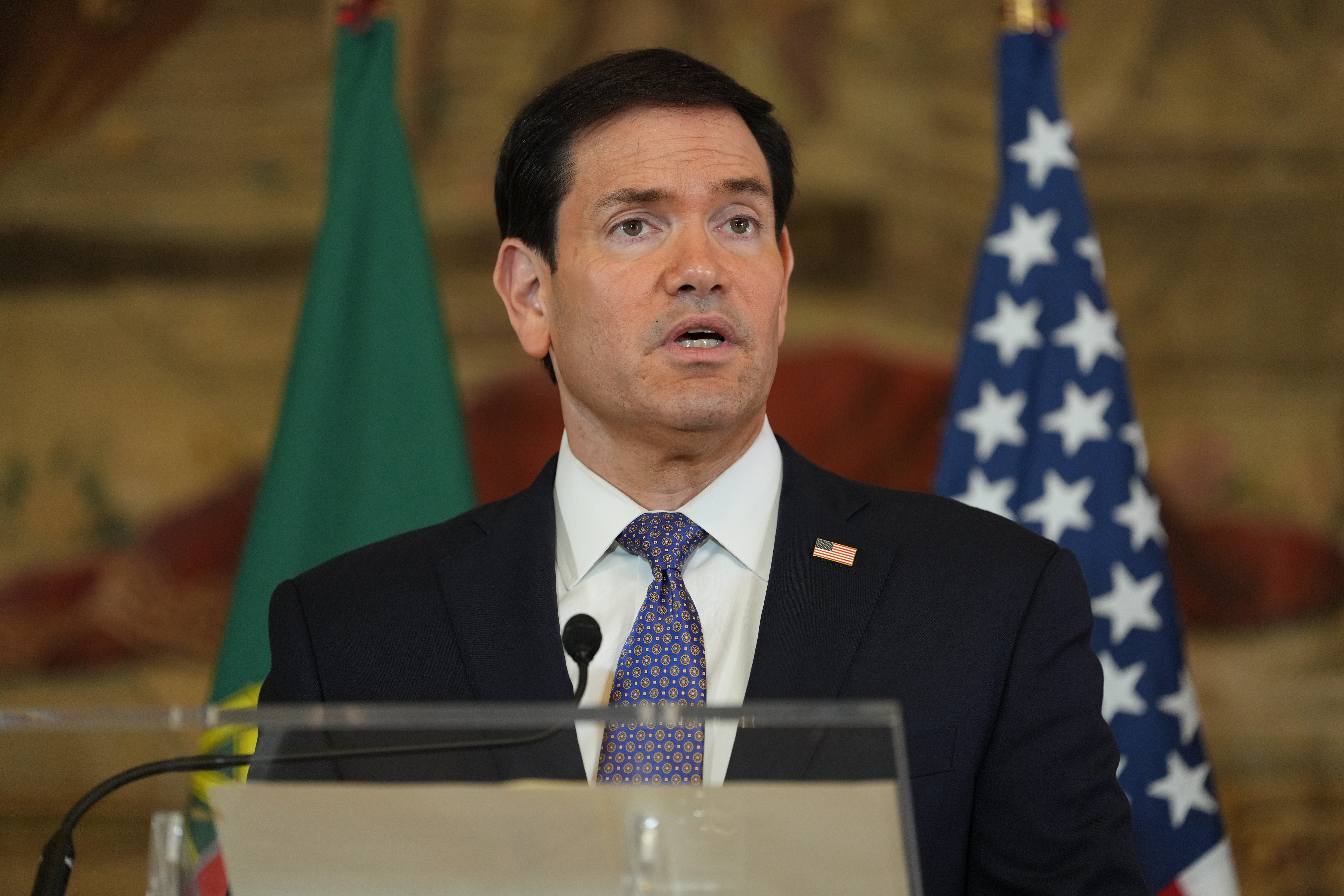
Shapiro, a potential 2028 presidential candidate, used the occasion to criticize the Trump administration's rhetoric on vaccines, saying he told HHS Secretary Robert F. Kennedy Jr. that "his actions and the rhetoric coming from this administration are having a negative impact on communities across America." That set off a war of words among federal, state, and local officials, including Kennedy, the Lancaster County coroner, and county commissioners.
Kennedy and other critics suggested that the deaths may not have been caused by measles, but rather that the victims had measles and died from other causes. "They cannot find any measles deaths in Lancaster County," Kennedy said at a Florida event. "The press is all covering this as if those measles deaths actually happened, but nobody is doing a little bit of critical inquiry to find out." The CDC even issued a statement praising Kennedy's "efforts to clarify conflicting information from Pennsylvania officials."
Public health experts argue that the state's poor communication created a vacuum for misinformation. Amesh Adalja of Johns Hopkins said Shapiro's press conference was a "masterclass in how not to communicate." He noted that the lack of detail and the vague term "measles-associated" allowed Kennedy to "swoop in." Adalja added, "They operated it like a political operation, and they got burned."
Eventually, details emerged, including that one victim was an infant. The county coroner initially said the infant died from a lacerated spleen and bleeding, not measles, but later changed his finding to list measles as a "contributing factor." Pennsylvania clarified that not all deaths must be reported to the coroner's office.
The dispute has also revived the "died from vs. died with" debate, a tactic used by anti-vaccine activists during the COVID-19 pandemic. Experts say that having measles at the time of death counts as a measles-associated death in Pennsylvania, and the distinction is not medically meaningful. "They're trying to play a word game to try to minimize the importance of measles," said Demetre Daskalakis, former CDC official.
The feud highlights the broader political divisions over vaccine policy. The CDC's decision to question Pennsylvania's data marks an unusual break from typical federal-state coordination, and it comes as the Trump administration has promoted vaccine skepticism. The situation is likely to escalate as the state and federal health agencies continue to disagree over the interpretation of the cases.
As the investigation continues, the public health community watches closely, concerned that the political infighting could undermine trust in measles reporting and vaccination efforts. The clash over the death count is not just a statistical dispute; it has become a proxy for the broader fight over public health authority and the role of science in policy.