In a dramatic departure from decades of bipartisan foreign policy, the State Department has redirected the bulk of its human rights funding—over $175 million—to conservative and often politically charged causes, many of which fall far outside the traditional remit of U.S. diplomacy. The allocation, finalized on September 30 with just hours to spare, marks a clear ideological shift in how the Trump administration defines and promotes human rights abroad.
Instead of backing dissidents, journalists, or persecuted minorities, the funds are now supporting groups that claim to defend allegedly persecuted whites in South Africa, combat what they call “democratic backsliding” in European allied nations, and challenge judicial institutions in Brazil accused of censoring conservatives. One program is explicitly aimed at promoting Western “civilizational values” by opposing the European Union’s “supranational and bureaucratic overreach” and its restrictions on extremist political speech.
While the administration has withdrawn the United States from major international human rights bodies and treaties, it continues to use the language of human rights—but with a radically different definition of victims, discrimination, and oppression. This approach mirrors the administration's domestic civil rights policies, which argue that programs designed to expand opportunities for historically marginalized groups are themselves discriminatory. The result, critics say, is that Washington has largely abandoned its long-standing commitment to protecting vulnerable people at home and abroad, severely damaging its moral authority and global standing.
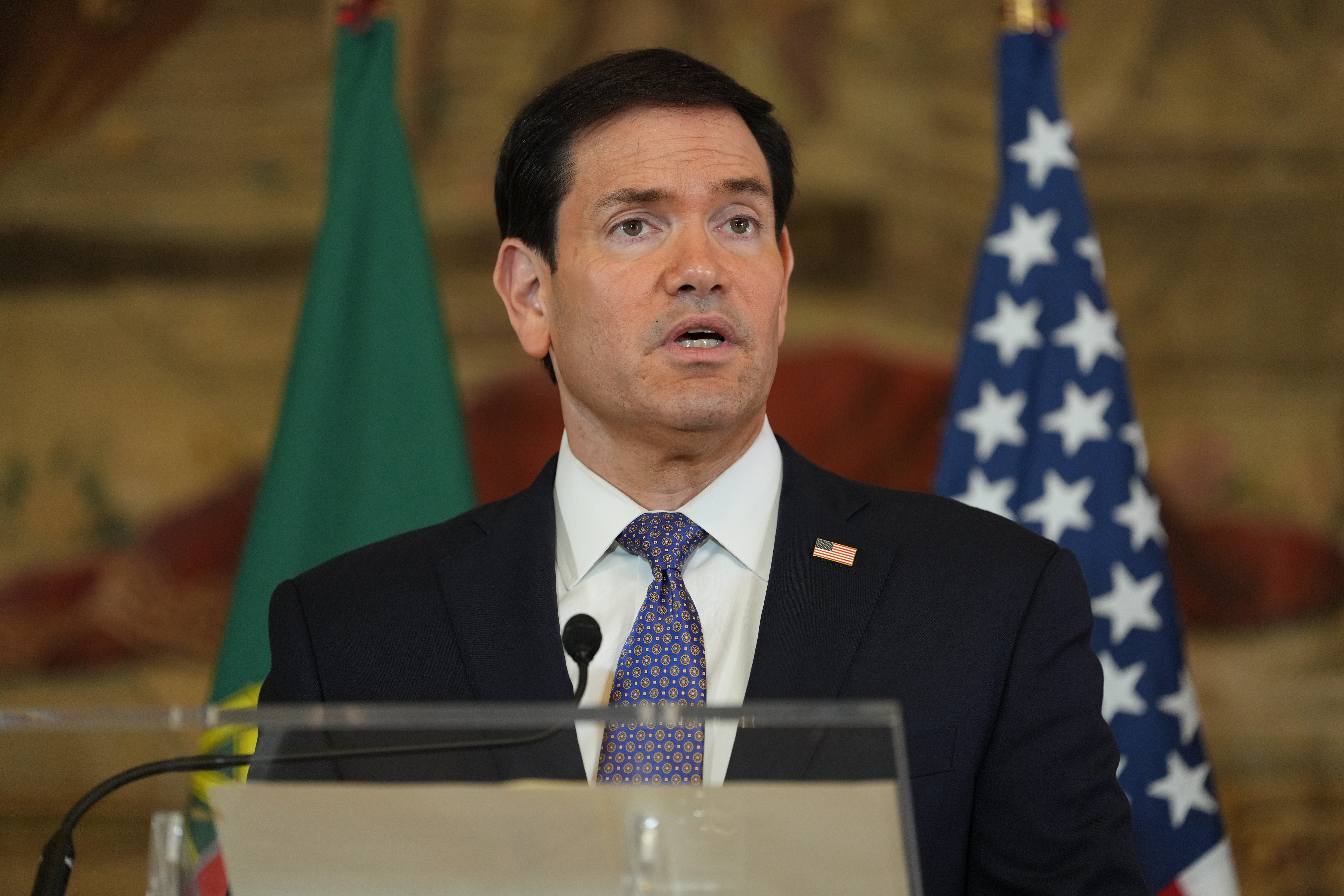
Secretary of State Marco Rubio set the tone early, describing the State Department’s Bureau of Democracy, Human Rights and Labor as “a platform for left-wing activists to wage vendettas against ‘anti-woke’ leaders” in friendly nations. He then established a new Office of Natural Rights, tasked with grounding U.S. diplomacy in what he called “traditional western conceptions of core freedoms.”
In a speech in Hungary, State Department senior policy adviser Samuel Samson echoed that message, warning that European governments, activist non-profits, and “supranational bodies” are using “technology, courts, and political institutions to restrict patriotic voices, erode national sovereignty, and enforce rigid ideological conformity.” He cited France’s initial refusal to allow far-right leader Marine Le Pen to run for president and Germany’s classification of the Alternative für Deutschland party as a “right-wing extremist group” as examples of this alleged suppression. Notably, Samson omitted that Le Pen’s ban—since lifted—followed her conviction for embezzlement, and that Germany’s designation of AfD was based on the party’s hostility toward Muslims from immigrant backgrounds.
The new Office of Natural Rights, Samson declared, would reject “novel and ideological ideas” associated with contemporary human rights law and return “to its Western roots.” In practice, this has meant abandoning the post-war universalist tradition that the U.S. once led, in favor of right-wing culture-war and white nationalist policies. The shift is most visible in the State Department’s revamped annual Country Reports on Human Rights Practices. Instead of focusing on torture, extrajudicial killings, and political repression in authoritarian states, the reports now emphasize restrictions on “hate speech” and extremist political parties in democratic countries like France, Canada, and Germany. Coverage of violence against women, racial and ethnic violence, LGBTQ+ rights, government corruption, and environmental justice has been drastically reduced.
Meanwhile, the administration has largely ignored human rights abuses by authoritarian governments that align with the president. The report on El Salvador, for example, makes the demonstrably false claim that there are “no credible reports” of “significant human rights abuses” in the country, despite widespread evidence to the contrary.
The connection to the administration’s domestic agenda is explicit. U.S. embassies are now instructed to treat gender-affirming care, state subsidies for abortion, affirmative action policies, and speech-related “official investigations or warnings” as human rights violations. All foreign assistance, including human rights grants, “must align with State Department policies” reflecting those views. At home, the same transformation is underway. The administration has dismantled federal diversity, equity, and inclusion programs, rescinded affirmative-action guidance dating back to 1979, and invited white men to file workplace discrimination complaints through the Equal Employment Opportunity Commission. It has also rescinded Title IX protections for transgender students, banned transgender individuals from military service, and argued that civil rights laws do not cover gender identity.
These moves have sparked fierce opposition from Democrats and human rights advocates, who see them as a direct assault on the foundational principles of equality and justice. As the administration continues to pursue its agenda, the debate over what it means to protect human rights—both at home and abroad—has become one of the most contentious political battles of the Trump era. House Democrats are already planning appropriations push to curb Trump's executive power, and the fight over the State Department’s funding priorities is likely to be a central front in that struggle.