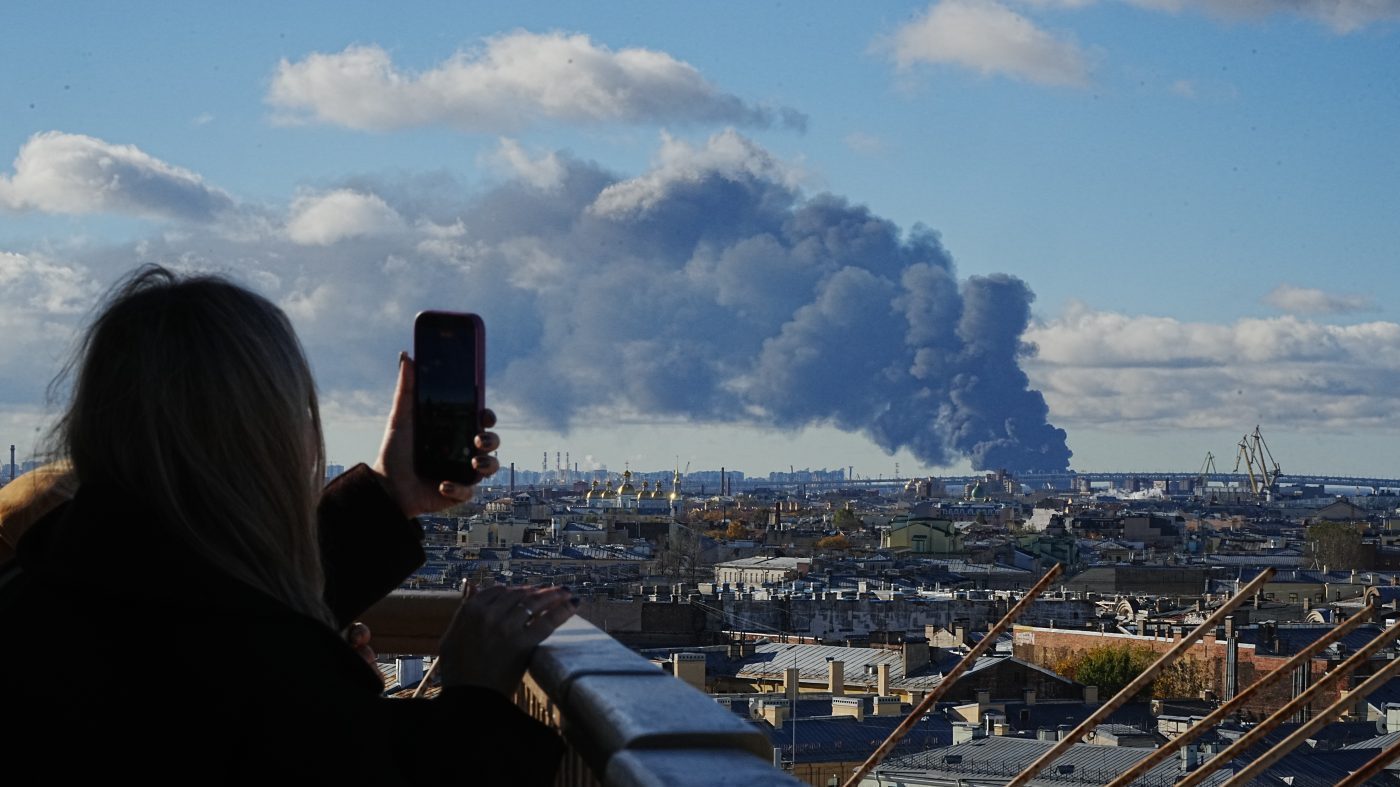
Ukraine executed a large-scale drone offensive against Russia overnight Sunday, targeting a major oil terminal in St. Petersburg and a data center, resulting in fires and power outages affecting thousands of residents. Russian state media characterized the assault as one of the most significant drone attacks of the year, according to translated reports.
St. Petersburg Governor Alexander Beglov confirmed on Telegram that one person was killed and five others injured, with damage reported to residential buildings and other structures. Emergency crews are working to extinguish blazes at the St. Petersburg oil terminal, the Ruchyi oil depot, and industrial warehouses in the Kolpinsky District, Beglov said.

In the surrounding Leningrad region, Governor Alexander Drozdenko reported that two electrical substations were hit, leaving roughly 20,000 residents without power Sunday morning. The strikes underscore the renewed intensity of attacks on energy infrastructure, a tactic both sides have employed despite international calls for restraint.
The offensive comes as Ukraine and Russia resume targeting each other's energy facilities, directly challenging the energy ceasefire that President Trump claimed was brokered during a recent call with Russian President Vladimir Putin. Trump had warned against such strikes, citing their impact on global fuel prices.
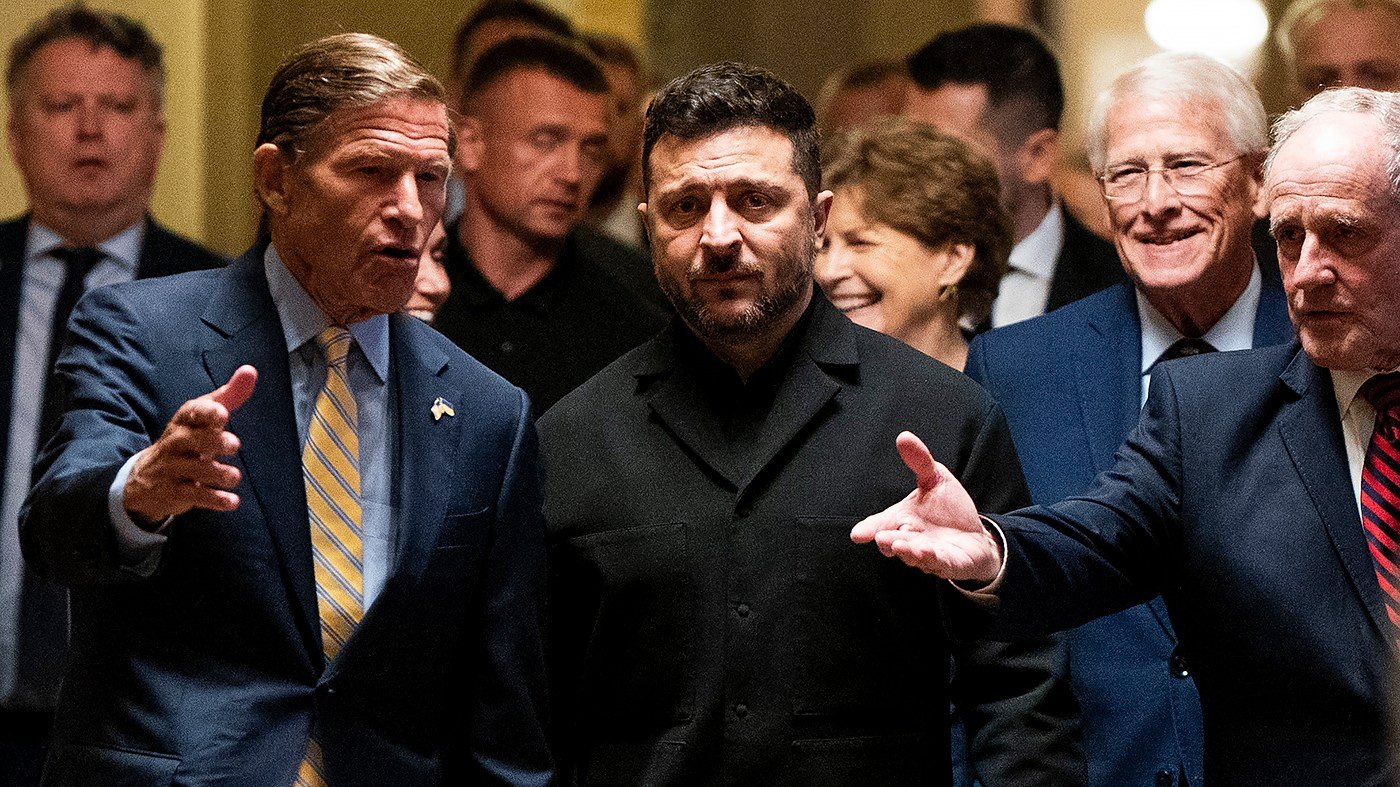
Ukrainian President Volodymyr Zelensky had ordered the military to resume attacks on Russian oil refineries after a brief pause, following what he described as Moscow's continued violations of the agreement. On Sunday, Zelensky accused Russia of conducting at least 76 strikes on Ukrainian energy, oil, and gas facilities over the past week, leaving tens of thousands of households without electricity.
Zelensky detailed that Russian forces launched nearly 2,700 drones, 1,700 aerial bombs, and 66 missiles at Ukraine in the same period. "The Russians are trying to cause a blackout," he wrote on X. "And America should see that Russia is not taking any reciprocal steps in response to sanctions relief or agreements."
This latest escalation follows a series of diplomatic tensions, including Zelensky's sharp criticism of Trump's sanctions waiver amid intensified Russian attacks. The waiver, which eased restrictions on Russian energy exports, has been a flashpoint, with Kyiv arguing it undermines pressure on Moscow.
The drone barrage also highlights the growing role of unmanned systems in the conflict, a development that has prompted new U.S. regulations on drone operations near its own borders, though those measures are unrelated to the war. The strategic use of drones has become a central feature of modern warfare, with both sides investing heavily in long-range strike capabilities.
As the fighting intensifies, the international community watches closely. The failure of the energy ceasefire raises questions about the viability of any negotiated pause, and Trump's domestic political response to the crisis is likely to become a key issue in the coming weeks. With no end in sight, the human and economic costs continue to mount.