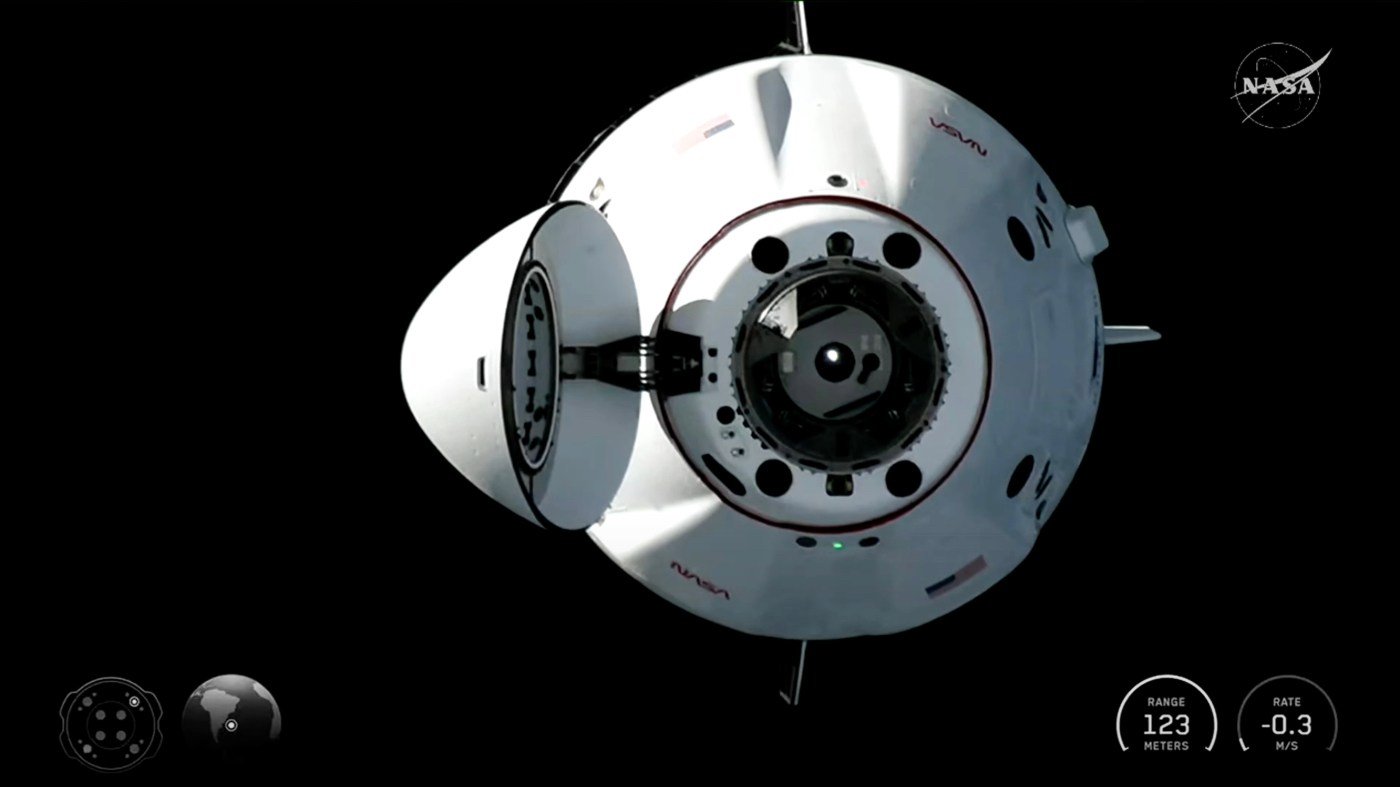
The impending retirement of SpaceX's Crew Dragon spacecraft has thrown NASA's commercial space station ambitions into uncertainty. SpaceX has signaled it will stop flying its Falcon 9 and Falcon Heavy rockets by the end of the International Space Station's operational life in 2030, focusing instead on the Starship program. That decision leaves a critical gap: without Crew Dragon, there will be no American spacecraft capable of ferrying astronauts and cargo to the private orbital outposts NASA wants to foster.
The urgency is heightened by NASA's official request for proposals from companies seeking to build their own space stations. Likely bidders include Axiom Space, Voyager Space, and Vast Space, according to Ars Technica. Blue Origin is developing its own station but may not respond to the request, and SpaceX is not expected to bid—at least for now. The agency's plan hinges on getting the long-troubled Boeing Starliner operational, but that vehicle has a checkered history.

Starliner's Rocky Road to Redemption
Boeing's Starliner has suffered two uncrewed test flights, the first of which failed. Its sole crewed mission ended with astronauts Sunita Williams and Butch Wilmore stranded on the ISS after thruster and helium leaks made the capsule unsafe for a crewed return. They eventually came home aboard a Crew Dragon. Under a new agreement with NASA, Boeing will implement a series of fixes intended to make Starliner flightworthy. NASA plans a cargo mission around December or January, followed by a crewed attempt in 2028.
That timeline leaves a multi-year window with no American crew capsule in service. Blue Origin is the only other U.S. company with the capability to develop a spacecraft for low Earth orbit crew transport. According to Ars Technica's Eric Berger, Blue Origin's so-called "Space Vehicle" is making "substantial progress." But the company needs NASA's financial and political backing—similar to what Boeing received—to move from development to flyable hardware. Even Jeff Bezos's fortune has limits when it comes to building a new human-rated spacecraft.
A Case for a Third Player
NASA's original Commercial Crew program wisely funded two providers, a decision that proved prescient when Starliner fell short but Crew Dragon delivered reliably. The agency would be well advised to extend that logic by formally endorsing and funding Blue Origin's Space Vehicle. That would create a competitive market and reduce reliance on a single provider.
Meanwhile, SpaceX is conducting test flights of its Starship, which—once operational—will be the largest human-made object ever to fly in space. It represents a quantum leap in launch capability, opening the solar system to human activity. But using Starship to service commercial stations is overkill; it can carry up to 150 metric tons to anywhere in the solar system, far more than the four astronauts and modest cargo a station would need. A Starship could even be outfitted as a station itself, though there's little evidence SpaceX plans that.
Could Dragon Be Saved?
One possibility is spinning off the Dragon, Falcon 9, and Falcon Heavy into a separate company—call it Dragon Spaceline—and selling it to investors who would operate it to serve commercial stations. That would give SpaceX capital to invest in Starship, Starlink, and space-based data centers. It would also give NASA and station builders a proven, reliable option. The catch: Boeing and Blue Origin would face a competitor with a flawless track record.
NASA has vowed not to abandon low Earth orbit as it pushes toward the Moon and Mars. The coming decisions on Starliner, Blue Origin's vehicle, and the future of Dragon will test that commitment. For more on related developments, see SpaceX's recent orbital achievement and the broader aviation infrastructure challenges facing the industry.