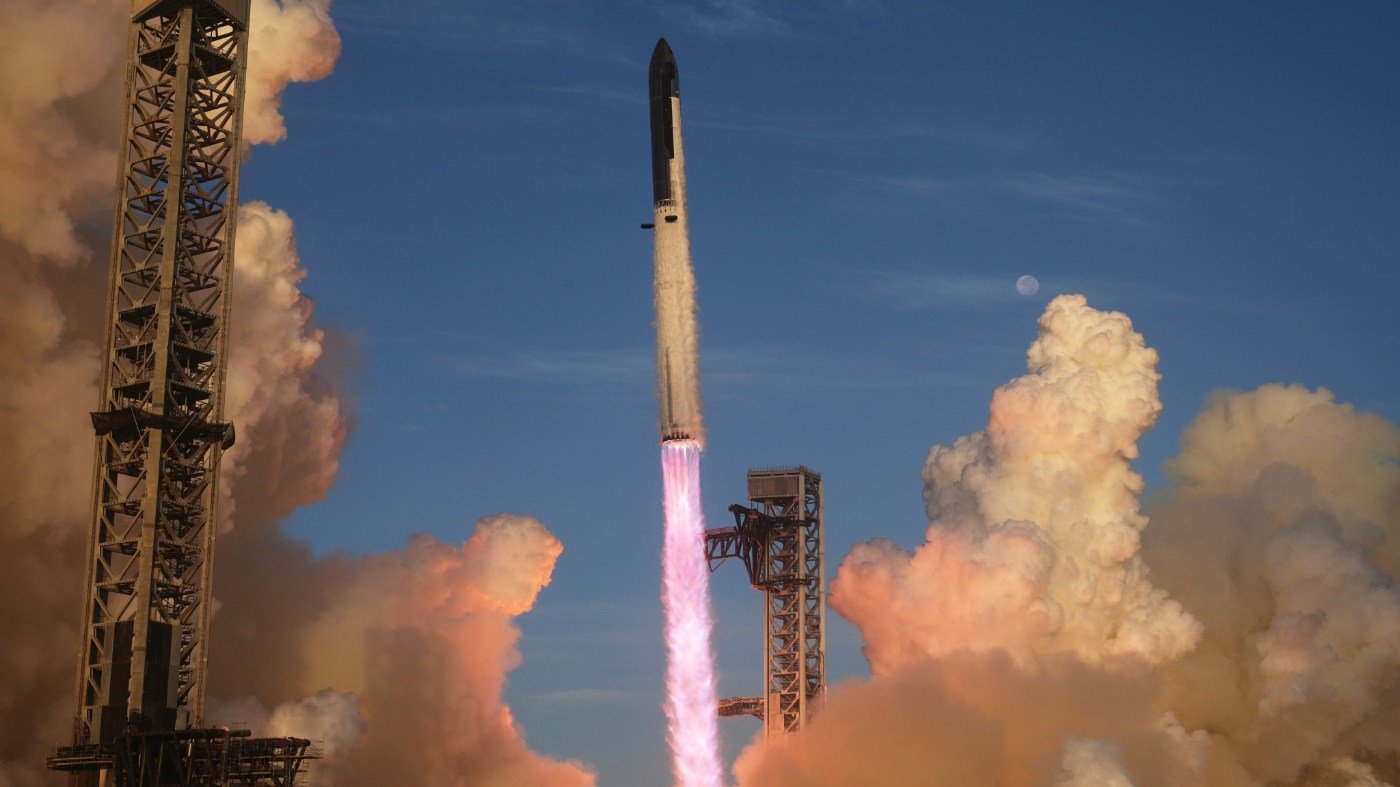
SpaceX's Starship achieved a historic milestone on its 14th test flight, reaching low Earth orbit for the first time. The feat marks a crucial step toward the company's ambitions of ferrying humans to the Moon and Mars, echoing science fiction author Robert Heinlein's adage that reaching Earth orbit is "halfway to anywhere in the solar system."
The test, conducted from SpaceX's Starbase facility in Boca Chica, Texas, also saw the deployment of 26 operational Starlink satellites, transforming the massive rocket from a mere experimental prototype into a potential revenue generator. While the exact cost of the test remains undisclosed, estimates for a commercial Starship launch hover around $90 million. PJ Media calculates that the 26 V3 Starlink satellites could generate between $2.6 billion and $3.9 billion in revenue over their five-year operational lifespan.

However, the flight was not without its setbacks. One of the Super Heavy booster's engines failed during ascent, though it still managed to successfully separate and splash down in the Gulf of Mexico—albeit with a harder landing than engineers would have preferred. Additionally, two of the Starship's own engines malfunctioned, initially prompting ground controllers to abort the orbital insertion. They later opted to burn the remaining engines longer, successfully sending the spacecraft into orbit, but the mission was cut short from a planned 10 hours to about three, resulting in an early splashdown.
These issues underscore that SpaceX still has significant work ahead before Starship becomes a fully operational spacecraft. Engineers must first diagnose and rectify the engine failures to ensure reliability across all Raptor engines. The vehicle must also demonstrate the ability to maintain orbit for extended periods—days rather than hours—and perform orbital maneuvers, both essential for the upcoming Artemis III mission, which will involve rendezvous and docking between Starship and NASA's Orion spacecraft, as well as with Blue Origin's Blue Moon lander.
Reusability is another critical hurdle. SpaceX plans to transition from ocean splashdowns to catching both the Super Heavy booster and the Starship using the launch tower's mechanical "chopsticks" arms, a technique that has yet to be proven on the Super Heavy. Furthermore, for deep-space missions, Starship must prove it can be refueled in low Earth orbit, a process involving multiple tanker Starships rendezvousing and docking with the outbound vehicle.
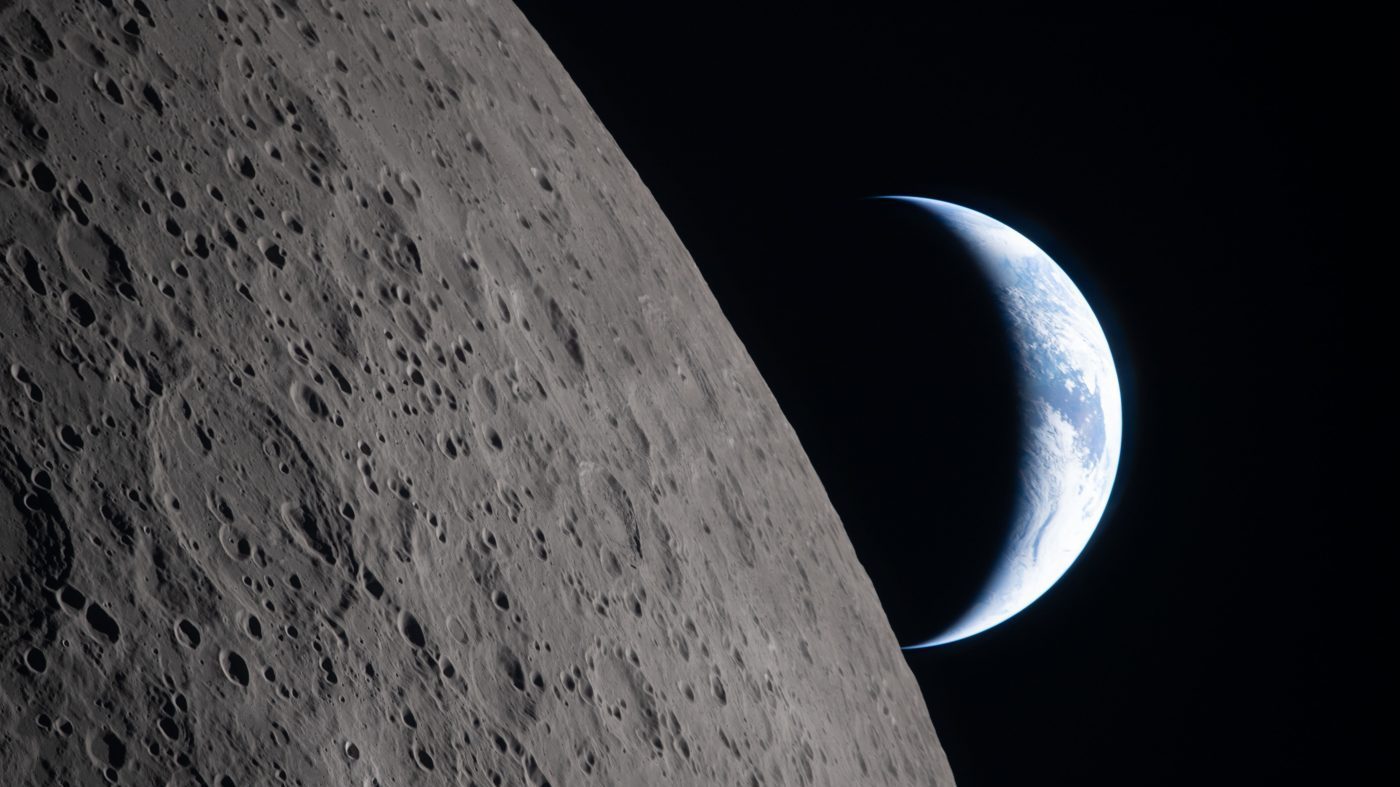
Before Artemis IV—the first crewed lunar landing since Apollo 17 in 1972—Starship must also demonstrate a successful landing on the Moon and, crucially, a launch from the lunar surface. To meet these ambitious timelines, SpaceX will need to dramatically increase its launch cadence. Test 14 came roughly two months after the 13th, but the schedule for Artemis III and IV demands launches at least every few weeks.
Amid global turmoil and domestic political strife, the progress at Boca Chica offers a glimpse of something remarkable. As astronaut Gene Cernan said when leaving the Moon in 1972, "We leave as we came and, God willing, as we shall return: with peace and hope for all mankind." Cernan did not live to see the fulfillment of that vow, but the man spearheading the return is Elon Musk, an eccentric immigrant from South Africa who was not yet two years old when humans last walked on the lunar surface.
History, it seems, is often made by the most unlikely figures. The road ahead for Starship is long and fraught with technical challenges, but this latest test brings humanity closer to returning to the Moon and venturing beyond.