In the high-stakes arena of American politics, the line between public service and personal ambition often blurs. Pennsylvania Governor Josh Shapiro, widely seen as a rising Democratic star with national aspirations, now finds himself at the center of a controversy over his response to two measles-related deaths in Lancaster County. Critics, including Health and Human Services Secretary Robert F. Kennedy Jr., accuse Shapiro of using the tragedy to score political points, a charge that has intensified the ongoing federal-state standoff over the handling of the outbreak.
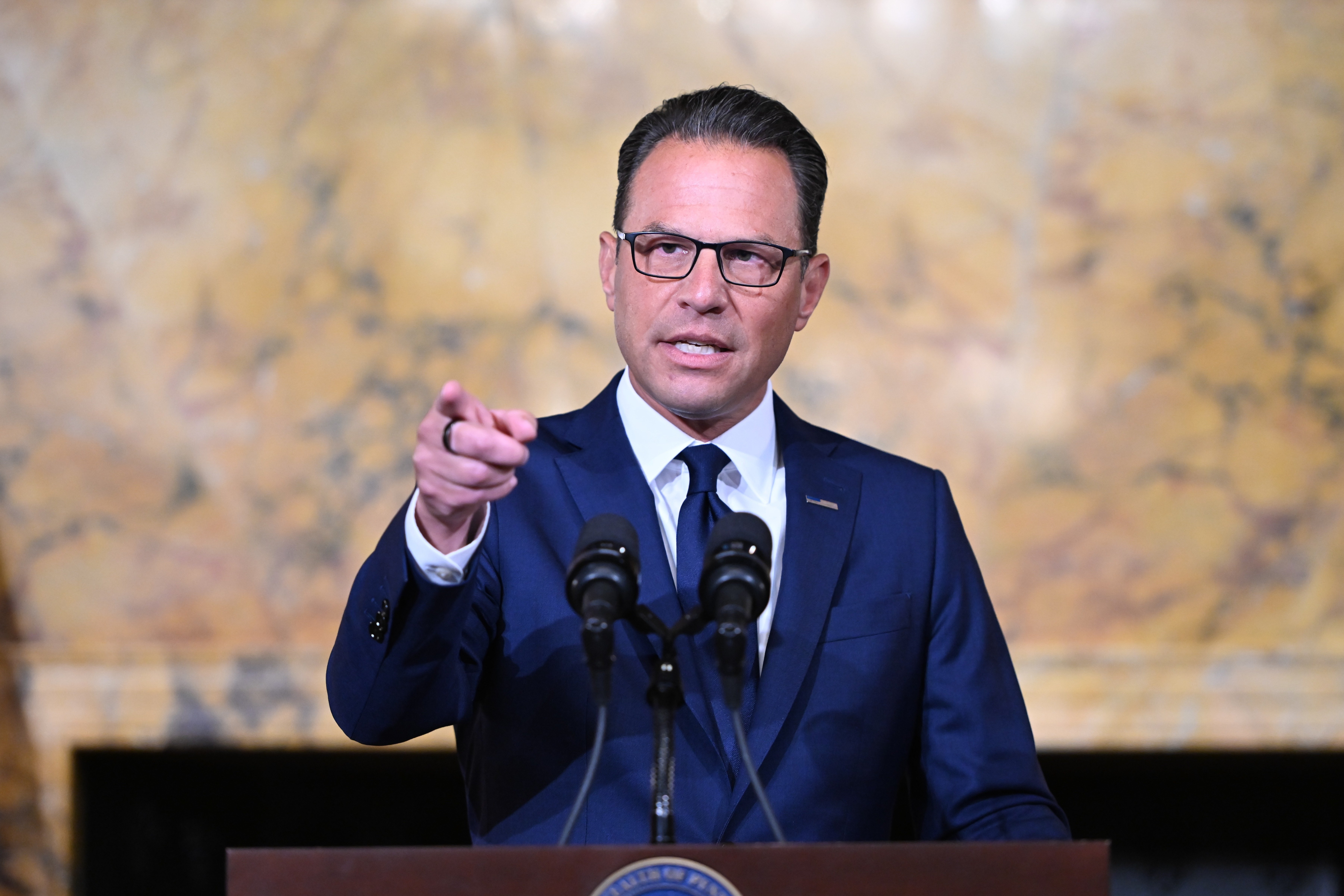
On August 25, the Pennsylvania Department of Health reported two measles-associated deaths, both in Lancaster County, with neither of the deceased reportedly vaccinated. Shapiro swiftly traveled to a local hospital to offer condolences, while also revealing that he had declined an offer of federal assistance from Secretary Kennedy. During his remarks, Shapiro was blunt: "I was very, very blunt with him and I made very clear that his actions and the rhetoric that is coming from this administration are having a negative impact on communities across America."
But is Shapiro's characterization accurate? Not according to Alex Berenson, a former New York Times journalist and author who gained prominence during the COVID-19 pandemic for questioning official narratives. Berenson, writing for The Free Press, argued that the media's focus on the Pennsylvania deaths was disproportionate, noting that before Shapiro's announcement, no measles deaths had been reported in the United States this year. "Measles is highly contagious and can (very rarely) have terrible consequences. Vaccinating against it makes sense. But hyping measles's dangers, while pretending the vaccine carries no risks, is wrong," Berenson wrote. He added, "Worse, that jab-at-any-cost mindset bleeds into every shot, including ones that clearly do not work and have real dangers for kids, like the mRNA Covid shot."
Secretary Kennedy echoed these sentiments in a pointed social media post, accusing Shapiro of "unseemly rush" and "giddy delight" in announcing the deaths. Kennedy wrote, "Governor Shapiro got his headlines. He correctly gambled that the slavish mainstream media would dutifully amplify his performance—a replay of the Democrats' COVID playbook: fearmongering, misinformation, finger-pointing, and the weaponization of infectious disease fears for political gain."
The controversy has also drawn attention to broader questions about political priorities. Critics note that while Shapiro focused on two measles deaths, violence in American cities continues to claim far more lives. President Trump recently highlighted the crisis in Chicago, where 41 people were shot over a weekend, three fatally. Trump called on the mayor and governor to invite federal intervention, posting on Truth Social, "The city will die if the Federal Government, a fine tuned crime fighting machine, is not invited in."
The Trump administration's health officials have also challenged Pennsylvania's measles death count, further complicating the narrative. The CDC has reportedly rejected the state's numbers, adding another layer to the federal-state clash. This dispute underscores the deep divisions over how to communicate public health risks, a rift that has only widened since the pandemic.
For Shapiro, the episode raises uncomfortable questions about his political future. As a potential presidential contender, he must navigate the delicate balance between responding to public health emergencies and avoiding the perception of exploiting them. His decision to hold a press conference and criticize the administration may have energized his base, but it has also opened him to charges of hypocrisy, especially given the ongoing violence in Democratic-led cities that often goes unaddressed.
Meanwhile, Kennedy and his allies see this as a vindication of their stance against what they view as excessive vaccine promotion and fear-based messaging. The debate over measles, vaccination, and public health policy is unlikely to subside, especially as the 2024 election cycle heats up. For now, the political fallout from two tragic deaths in Pennsylvania serves as a stark reminder of how quickly public health issues can become political battlegrounds.