The city's health commissioner confirmed a second fatality linked to the Legionnaires' disease cluster in the South Bronx, as the number of confirmed cases rose to 13 and two patients remained hospitalized as of Thursday.
Dr. Alister Martin expressed condolences on social media, saying, "We mourn the loss of each New Yorker, and our hearts are with their loved ones as they navigate this difficult time."
The health department has ordered 10 buildings, including Yankee Stadium, to clean and disinfect their cooling towers, which are a known breeding ground for the Legionella bacteria. Dr. Martin stated, "We are grateful to our local elected officials who have joined us in outreach efforts as we respond quickly to cut off the exposure and investigate cases. All cooling towers that tested positive through initial screening have been disinfected."
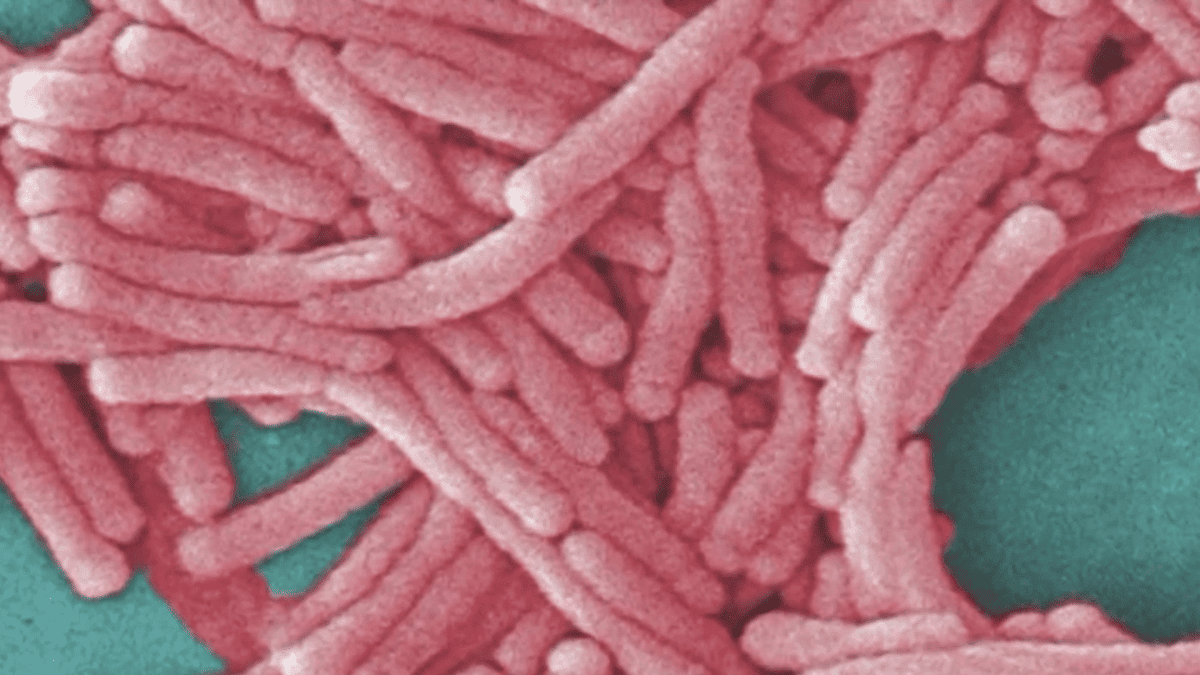
Health officials have assured residents that it is safe to shower, drink tap water, and use air conditioners in the affected zip codes unless otherwise advised. The source of the bacteria is typically warm, stagnant water, and cooling towers provide ideal conditions for growth.
This outbreak follows a deadly summer cluster on Manhattan's Upper East Side, which claimed 11 lives. The recurrence has heightened concerns about the city's aging infrastructure and the maintenance of cooling systems in large buildings.
Legionnaires' disease poses a greater risk to older adults, smokers, and those with weakened immune systems or chronic health conditions such as heart, lung, kidney, or liver disease, as well as diabetes. Health officials are urging residents in the affected area to monitor for symptoms, which include fever, cough, and shortness of breath.
The city's rapid response includes door-to-door outreach and testing of cooling towers. The investigation is ongoing, and officials have not yet identified the definitive source of the current cluster. The health department continues to work with building owners to ensure compliance with disinfection orders.
This latest development has drawn attention to the outbreak's reach to Yankee Stadium, a prominent landmark, and has prompted questions about the adequacy of current regulations on cooling tower maintenance.
In a related context, the city's public health response is being watched closely by other municipalities that face similar risks from aging water systems. The situation also underscores the importance of timely public health interventions, a topic that has been central to recent policy debates.