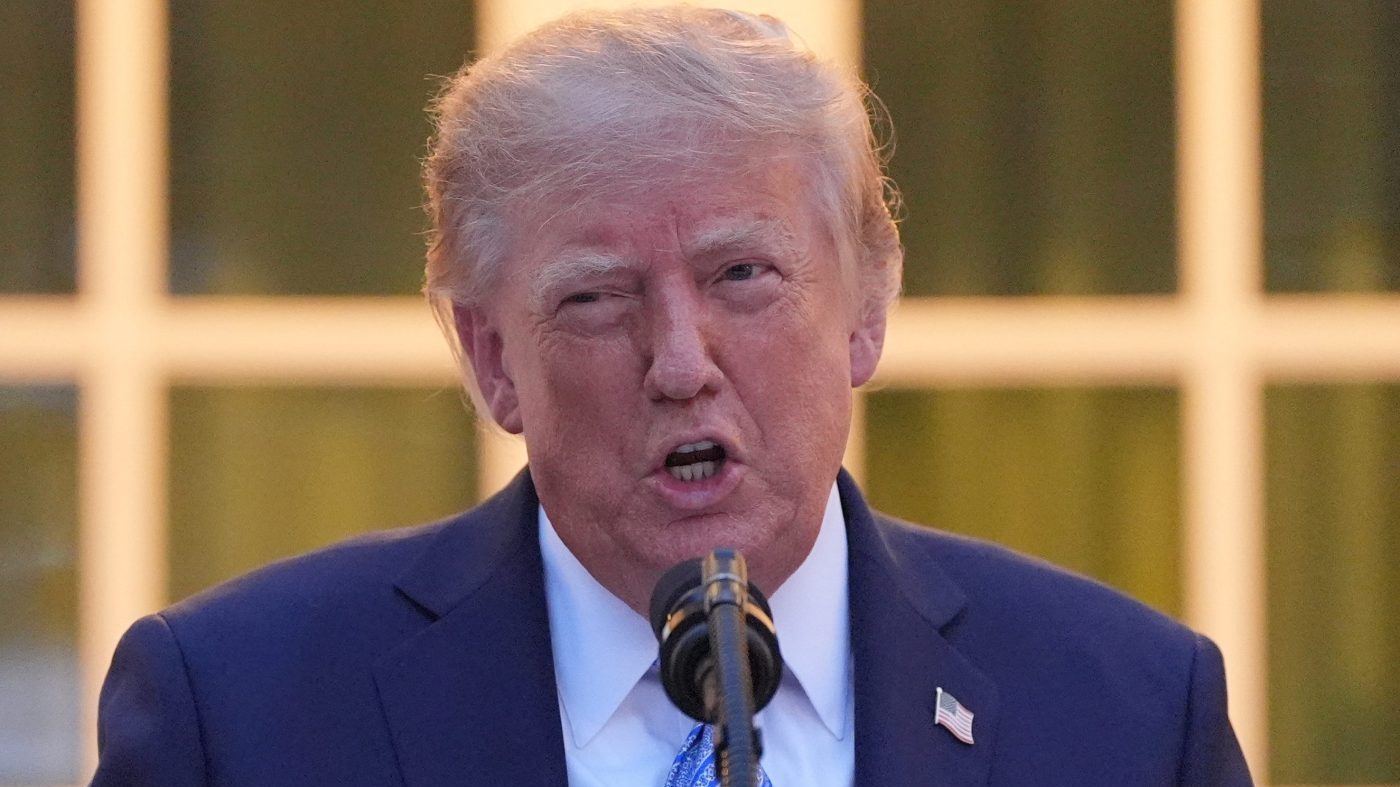
President Trump is scheduled to make a major announcement on Friday afternoon regarding prescription drug costs, unveiling a plan that would extend "most favored nation" pricing to Medicaid programs across all 50 states. The event, set for 2:30 p.m. EDT in the Oval Office, will feature several governors joining the president to highlight the administration's latest effort to address one of the most pressing economic concerns for American families.
The initiative is part of a broader push by the White House to reduce what the government pays for certain high-cost medications, a topic that has become a central issue in the upcoming midterm elections. By tying Medicaid reimbursement rates to the lowest prices offered in other developed countries—a concept known as most favored nation pricing—the administration hopes to leverage the federal government's purchasing power to secure better deals for taxpayers and patients alike.

While the announcement is framed as a bipartisan win, it is likely to draw sharp criticism from pharmaceutical companies and some Republican lawmakers who argue that such price controls could stifle innovation and limit patient access to new treatments. However, the White House has signaled that the move is a direct response to widespread public frustration over soaring drug costs, a sentiment that has resonated across party lines.
Governors attending the event are expected to voice support for the plan, emphasizing the potential savings for state budgets and the millions of Americans enrolled in Medicaid. The administration has not yet provided specific details on which drugs would be covered or how the pricing mechanism would be implemented, but officials have indicated that the policy will target high-cost medications with limited competition.
This announcement comes on the heels of other health care actions by the Trump administration, including efforts to increase transparency in hospital pricing and to import cheaper drugs from Canada. The president has repeatedly touted his record on lowering drug prices, though critics note that some of his earlier proposals, such as the "most favored nation" rule for Medicare Part B, have faced legal challenges and implementation delays.
The timing of the announcement is significant, as Medicaid drug pricing has emerged as a key talking point for both parties on the campaign trail. Democrats have proposed their own plan to allow Medicare to negotiate drug prices, while Republicans have generally favored market-based reforms. Friday's event could provide the president with a fresh talking point as he campaigns for Republican candidates in the midterms.
Political analysts note that the move may also be an attempt to shore up support among working-class voters, many of whom rely on Medicaid and have been hit hard by rising health care costs. "This is a direct appeal to a demographic that will be pivotal in the midterms," said one policy expert. "By positioning himself as a champion of lower drug prices, Trump is trying to neutralize a traditionally Democratic issue."
The White House has not released the full list of governors expected to attend, but the presence of both Republican and Democratic leaders could underscore the administration's claim of bipartisan cooperation. However, some state officials have expressed concerns about the feasibility of implementing such a complex pricing system within their Medicaid programs.
As the event approaches, all eyes will be on the details of the plan and its potential impact on the pharmaceutical industry. The president's remarks are expected to be streamed live, and the administration is likely to use the occasion to highlight its broader health care agenda. With the midterms just months away, the announcement is poised to become a flashpoint in the ongoing debate over health care costs and government intervention in the market.