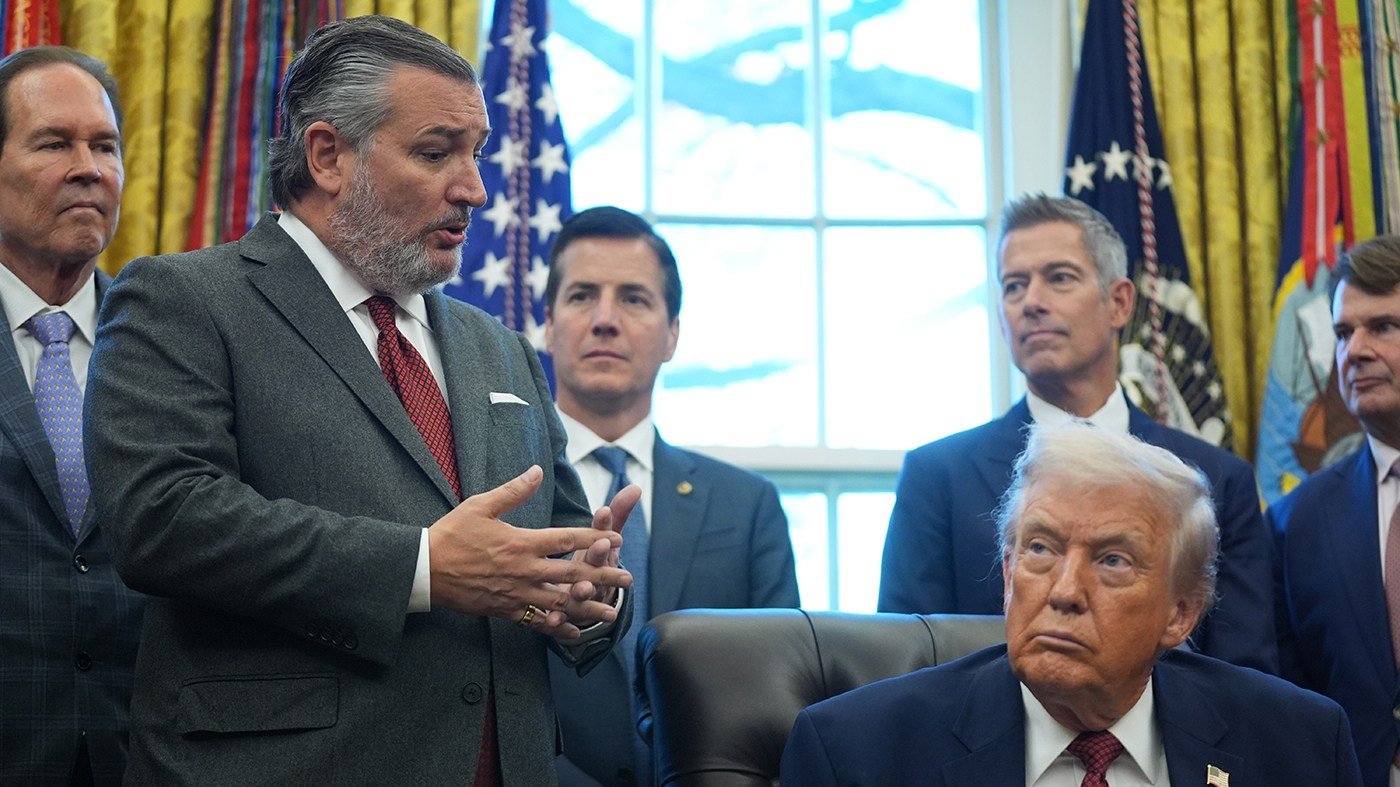
President Trump is scheduled to announce on Friday that all 50 states will participate in a Medicaid demonstration project that applies most favored nation (MFN) pricing to a select set of prescription drugs, according to a senior administration official. The official, speaking on condition of anonymity, said Trump will be joined by several governors in the Oval Office for the announcement.
The initiative, branded as the GENEROUS model by the Centers for Medicare and Medicaid Services (CMS), allows state Medicaid programs to purchase certain drugs at prices comparable to those paid by other developed countries. The administration argues this will lower costs for state programs and taxpayers, while also making medications more affordable for beneficiaries.
“Today’s announcement confirms that every state Medicaid program will save billions on prescription drug costs thanks to President Trump,” the White House official said in a statement. The administration has projected savings of more than $64 billion, though it has not disclosed the methodology behind that figure.
The move comes as drug affordability remains a top concern for voters, and Republicans are eager to use the issue to their advantage in the upcoming midterm elections. By highlighting concrete steps to reduce prescription drug prices, the White House hopes to blunt Democratic attacks on healthcare and present a positive economic message.
However, experts note that Medicaid already benefits from significant statutory rebates and discounts, so the actual impact of MFN pricing on drug costs and patient access is uncertain. Some analysts question whether the savings estimate is realistic, given the complexities of pharmaceutical pricing and the potential for manufacturers to adjust their strategies.
The announcement also carries political significance, as it showcases the administration’s willingness to take on the pharmaceutical industry, a theme that resonates with both Republican and Democratic voters. It comes amid broader rising economic concerns and as the White House seeks to frame its agenda around kitchen-table issues.
Governors participating in the announcement are expected to tout the potential savings for their states, which could be a talking point in competitive races. The administration is likely to use the event to reinforce its commitment to lowering healthcare costs, a message that has been central to Trump’s political appeal.
Still, the policy faces implementation hurdles. States must apply to participate in the demonstration, and CMS must approve each state’s plan. The timeline for rollout remains unclear, and legal challenges from the pharmaceutical industry are possible.
In the broader context, the MFN model is part of a series of executive actions on drug pricing that the president has pursued without congressional approval. Critics argue that such unilateral moves lack durability and could be reversed by a future administration, while supporters see them as necessary steps to rein in costs.
As the midterm elections approach, the White House is betting that tangible policy announcements like this will resonate with voters who are feeling the pinch of inflation. Whether the savings materialize as projected, the political optics of the president standing with governors to announce a bipartisan-sounding initiative could provide a boost.