As record-breaking heatwaves and wildfires become more frequent and severe, the reality of climate change is undeniable. Yet despite these catastrophic events, the Trump administration and a significant portion of the American public remain resistant to action. This political impasse has prompted researchers to explore more effective ways to communicate about climate change—particularly with conservative and evangelical audiences who are often the most skeptical.
Recent studies indicate that simply debunking misinformation with facts is ineffective. Instead, targeted, strategic messages that reframe the issue in terms that resonate with specific groups can shift attitudes. For conservatives, appeals to national security, moral purity, and religious stewardship of the Earth have proven promising. By emphasizing the benefits of alternative energy for energy independence and the moral obligation to protect future generations, communicators can find common ground with those who might otherwise dismiss climate concerns.
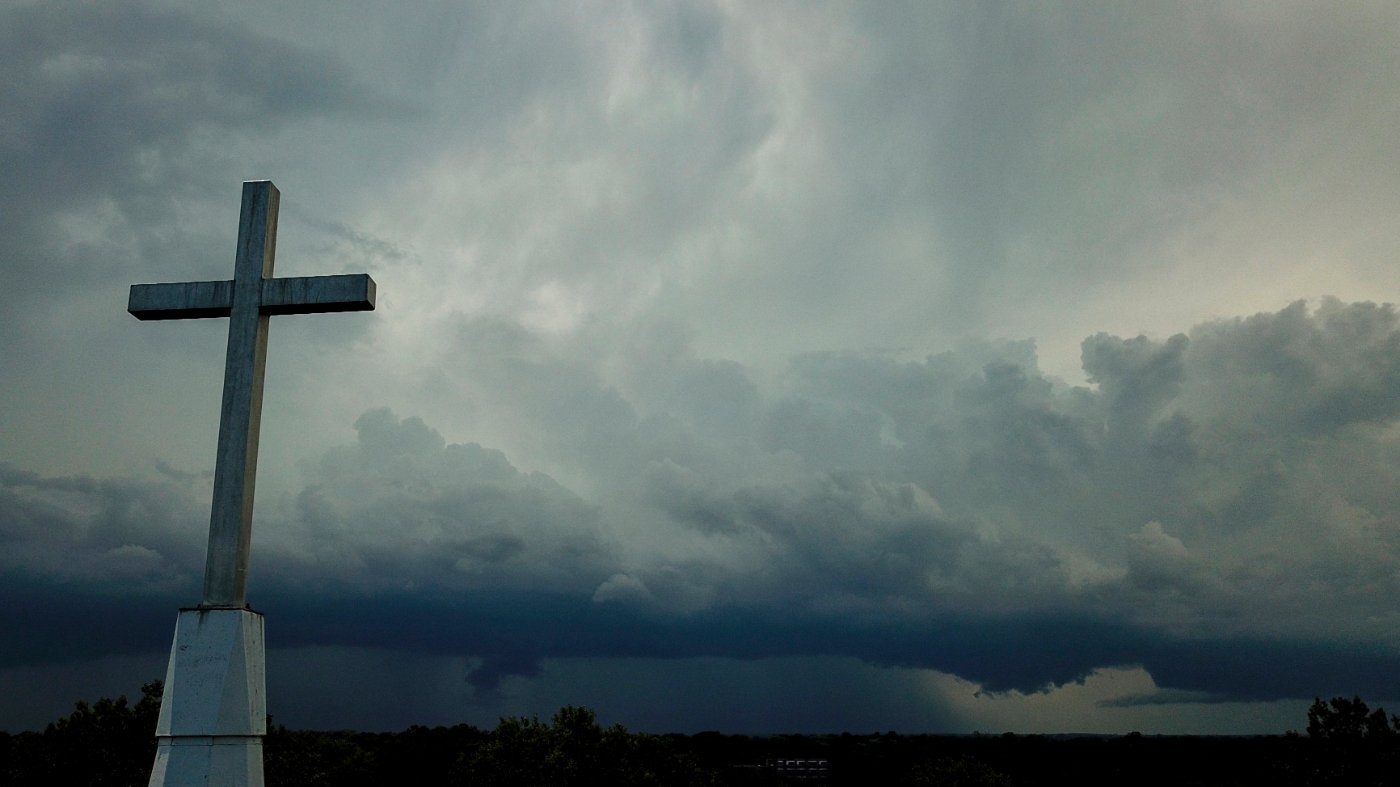
One of the most powerful approaches involves tapping into religious narratives. Evangelicals, who constitute the largest Christian group in the U.S. and a formidable political bloc, are less likely than other faith groups to believe in human-caused climate change. However, a significant majority—86 percent—believe that God has given humans a duty to protect and care for the planet. This presents an opportunity to frame climate action as a form of faithful stewardship.
Biblical stories offer compelling parallels. The story of Joseph, who interpreted Pharaoh's dream and stored grain for an impending famine, illustrates prudent preparation for climate-related disasters. Similarly, Noah's Ark—a tale of saving all species from catastrophic flooding—serves as a metaphor for the need to protect biodiversity and human communities from the impacts of a changing climate. These narratives, often treated merely as moral lessons, can be leveraged to inspire environmental responsibility.
Emotional appeals also play a crucial role. Instilling sadness and guilt about the harm caused by climate change, while offering hope through solutions, can motivate action. Highlighting the disproportionate impact on poorer nations and future generations underscores the justice dimension, appealing to a sense of fairness and collective responsibility.
To implement these strategies, educators, religious leaders, and policymakers must integrate them into their communications. This includes enhancing climate education at all levels, from K-12 to public discourse, and teaching systematic approaches to moral reasoning. The field of bioethics offers a framework that weighs multiple ethical principles—maximizing benefits, minimizing risks, protecting rights, and ensuring justice—which can be applied to climate policy debates.
While research on effective climate communication is still developing, the urgency of the crisis demands creative and persistent efforts. As heat waves disrupt daily life and wildfires ravage communities, the need for bipartisan action grows. By appealing to shared values and moral principles, we can bridge the partisan divide and foster the political will necessary to address this existential threat.
Ultimately, the goal is not just to change minds but to inspire action. As the legal battles over climate funding continue, the moral imperative to protect creation and future generations remains. Engaging evangelicals and conservatives through faith-based messaging offers a path forward, turning climate change from a polarizing issue into a shared responsibility.