A new scientific analysis directly contradicts President Trump's assertion that Canada's devastating wildfire season was caused by poor forest management, instead pointing to climate change as the primary culprit. The study, released Thursday by World Weather Attribution (WWA), an international collaboration involving the U.S. National Center for Atmospheric Research and Princeton University, found that human-induced climate change made the extreme fire conditions in northwestern Ontario and the Northwest Territories twice as likely.
The researchers determined that the combination of intense heat, dry winds, and lack of moisture—all exacerbated by a warming climate—created a tinderbox environment. Under these conditions, Canada can now expect a similarly severe wildfire season roughly every six years, a frequency that is itself a stark indicator of the new normal. The study's authors warned that maintaining an effective response through the remainder of the fire season will require “continued interagency coordination, flexible deployment of personnel and equipment across jurisdictions, and sufficient surge capacity.”
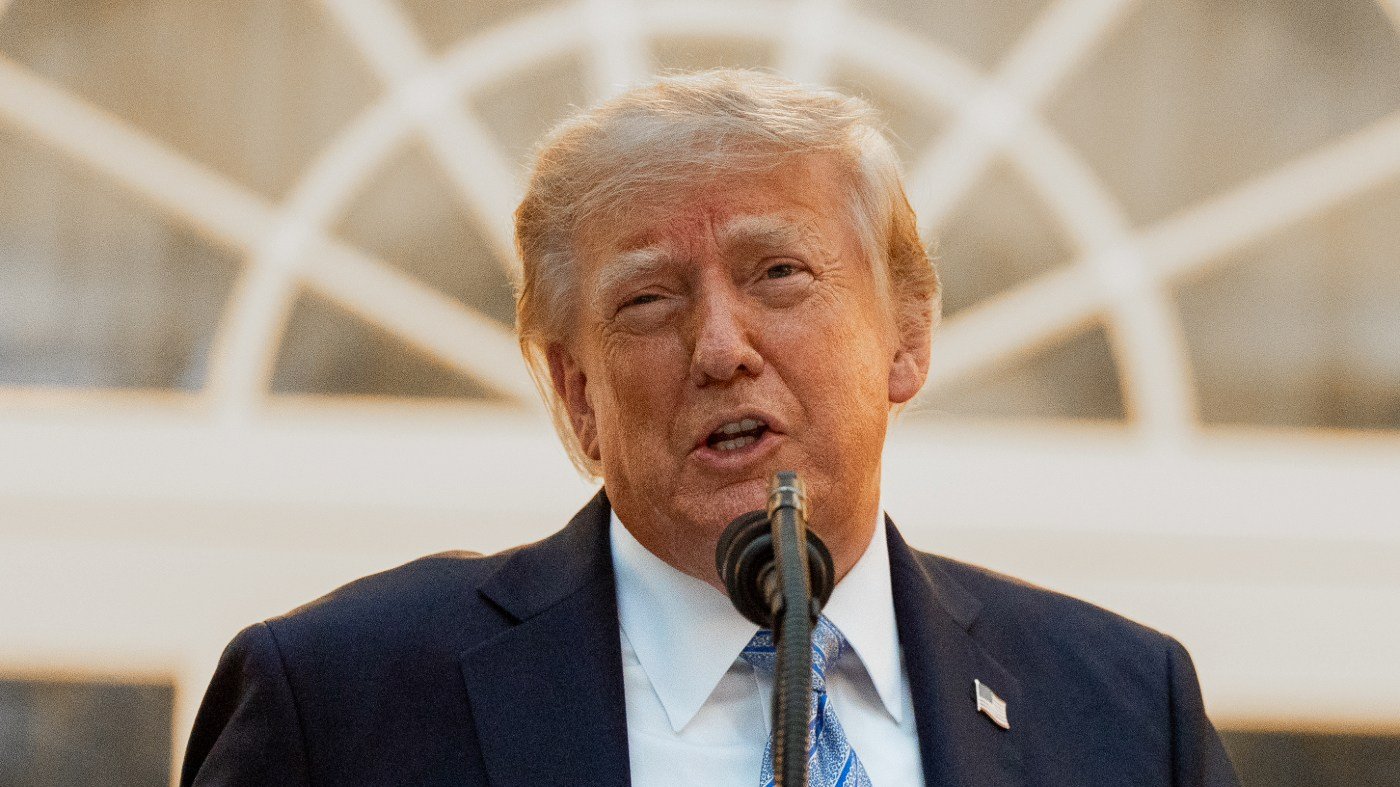
The findings stand in sharp contrast to the president's recent social media attacks, in which he threatened tariffs on Canada, accusing the country of “poisoning our air” and failing to “properly maintain their Forests.” Trump wrote that the U.S. was being “unnecessarily invaded by filthy, polluted, and unhealthy air.” His remarks echo his past criticism of California's wildfire management, including his 2018 suggestion that the state should rake its forest floors.
The WWA study, which has not yet been peer-reviewed but uses established methodologies, describes the last three Canadian wildfire seasons as “exceptionally severe,” citing record-breaking burned area and emissions. It notes that subsequent research has consistently identified climate change as the driving force behind this increasing severity. Friederike Otto, a study co-author and climate scientist at Imperial College London, told the Associated Press, “If you care about anyone but the super-rich, you have to stop burning fossil fuels because the impacts are here and they're now and have huge consequences.”
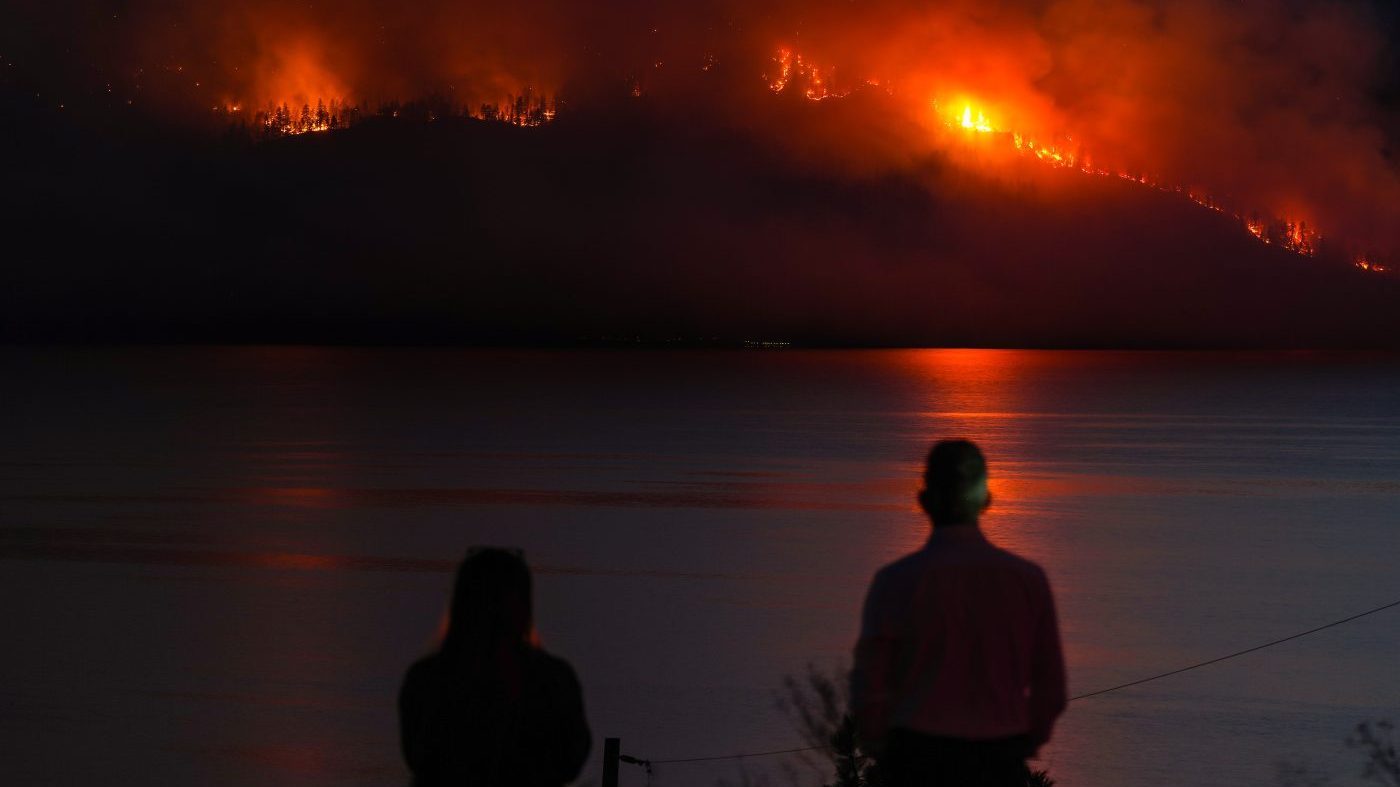
As of Thursday, the Canadian Wildland Fire Information System reported 674 active fires, including 14 new blazes. The smoke from these fires has drifted across the U.S., turning skies orange over major East Coast cities like New York, Boston, Philadelphia, and Washington, D.C., and causing hazardous air quality levels.
The study advocates for an “integrated risk management approach” that could include incorporating future fire risk into timber harvest allocations, strengthening early warning systems, and leveraging the knowledge of Indigenous communities to improve risk assessment and response. The authors emphasize that adaptation measures are crucial, but they also stress that without aggressive cuts to carbon emissions, such extreme fire seasons will become more frequent and intense.
This clash between scientific evidence and political rhetoric underscores a growing divide over climate policy. While Trump has consistently downplayed the role of climate change in wildfires, the scientific community is increasingly united in linking these disasters to a warming planet. The political implications are significant, as the president's threats of tariffs could further strain U.S.-Canada relations, particularly on issues like energy and trade.
For now, the immediate focus remains on the fires themselves. With thousands of Canadians displaced and millions of acres scorched, the need for a coordinated response is urgent. The WWA study serves as a stark reminder that the underlying conditions driving these fires are not going away, and that policy decisions made in Washington and Ottawa will shape the severity of future fire seasons.