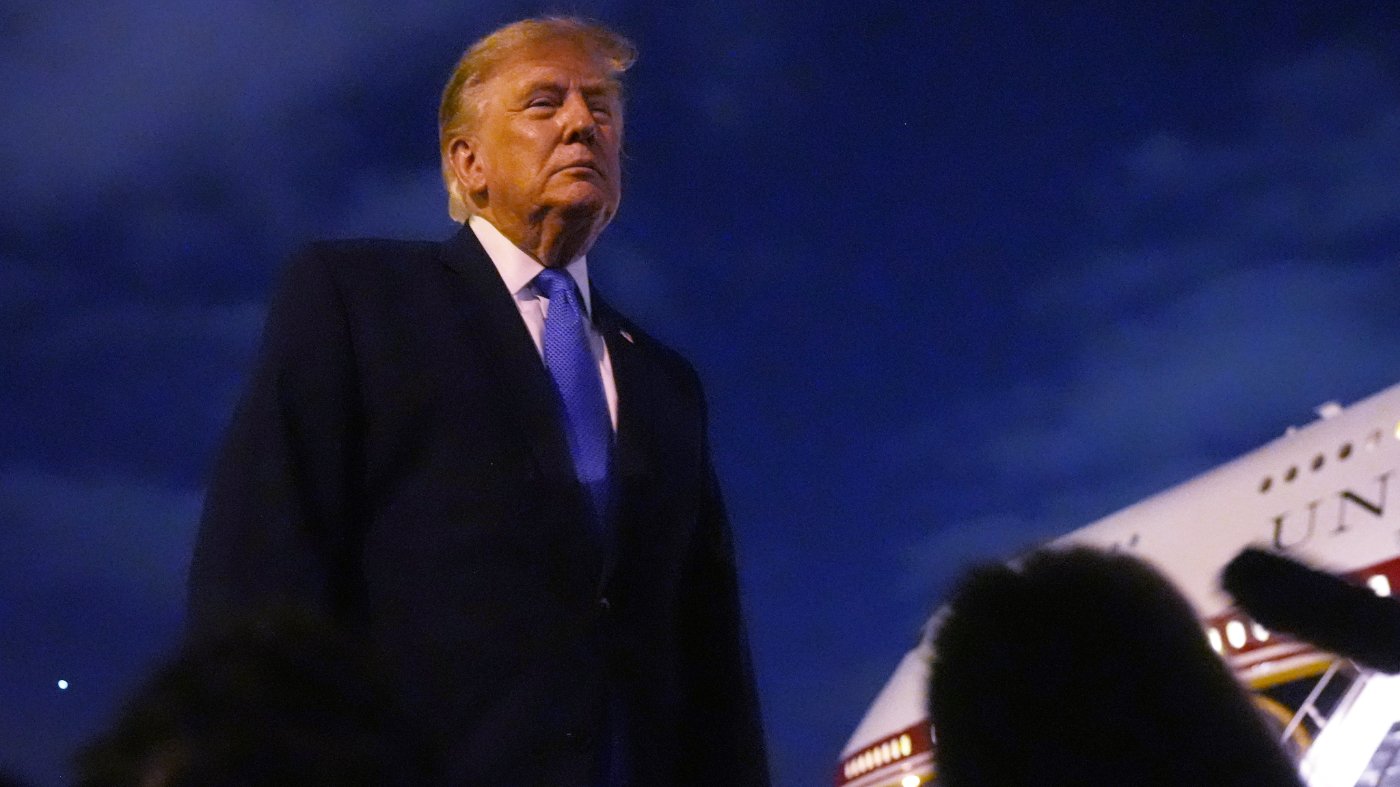
Four decades ago, James Schlesinger, a former defense secretary who later worked alongside John Yochlson at the Center for Strategic and International Studies, delivered a private lecture on the mechanics of global power. His central insight: American leaders grasp the strength of international networks, while the Soviets—focused on self-sufficiency—do not. That observation, prescient then, now serves as an uncomfortable mirror for the current White House.
Schlesinger's framework identified three pillars of post-war American dominance. The first was a dollar-centric global economy, where the U.S. ran trade deficits in exchange for the privileges of reserve currency status. The second was a far-reaching defense alliance network, which bought geopolitical leverage at the cost of significant military spending. The third was a commitment to basic research, fueling technological leadership and attracting global talent. Each network, Schlesinger argued, returned far more than it cost.
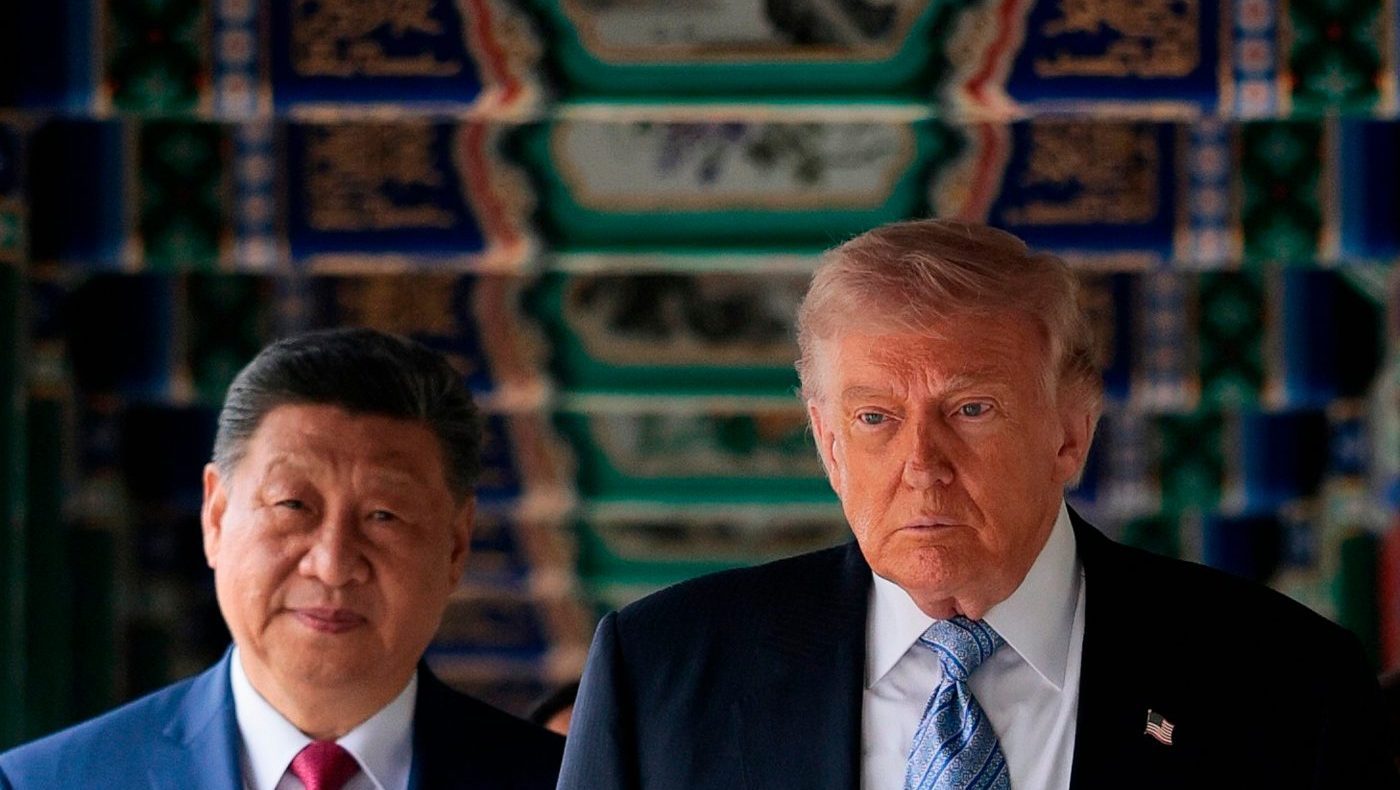
President Trump has systematically dismantled all three. His tariffs treat the multilateral trading system as a predatory racket; his disdain for NATO casts allies as freeloaders; and his cuts to basic research frame science as a haven for a 'woke' elite. This one-sided ledger ignores the immense value these networks generate. The dollar's reserve status lowers U.S. borrowing costs and finances deficits; the security umbrella projects influence across Europe, Asia, and the Middle East; and scientific leadership underpins both national security and economic competitiveness.
The result is a foreign policy that plays America's hand unilaterally, much as the Soviets once did. Coercion has become the hallmark of 'America First' diplomacy. Trump has forced trading partners to the table, launched military strikes on Iran without consulting NATO allies, and even floated territorial designs on Canada and Greenland. He has threatened to quit NATO to squeeze more defense spending from Europe, all while walking away from multilateral science cooperation.
The costs are already visible. Tariffs have stoked inflation and disrupted global commerce. NATO-bashing has eroded European support just as the U.S. confronts Iran—a crisis that, as public polling shows, many Americans expect to deepen regional instability. Cuts to science have slowed the inflow of international researchers, risking a first-ever brain drain in fields like climate science and infectious disease. A recent Pew survey found that confidence in the U.S. president to 'do the right thing' in world affairs stands at just 23 percent across 36 countries, and for the first time in two decades, more people view China favorably than the United States.
The irony is stark: China, America's chief competitor, has embraced the very networks Trump rejects. Beijing has invested heavily in the UN, WTO, Paris Agreement, and its own development banks, using multilateralism to bolster its rise. As Trump's unilateralism deepens, the U.S. finds itself more isolated than at any point since the eve of World War II—a dangerous position in an increasingly interconnected world.