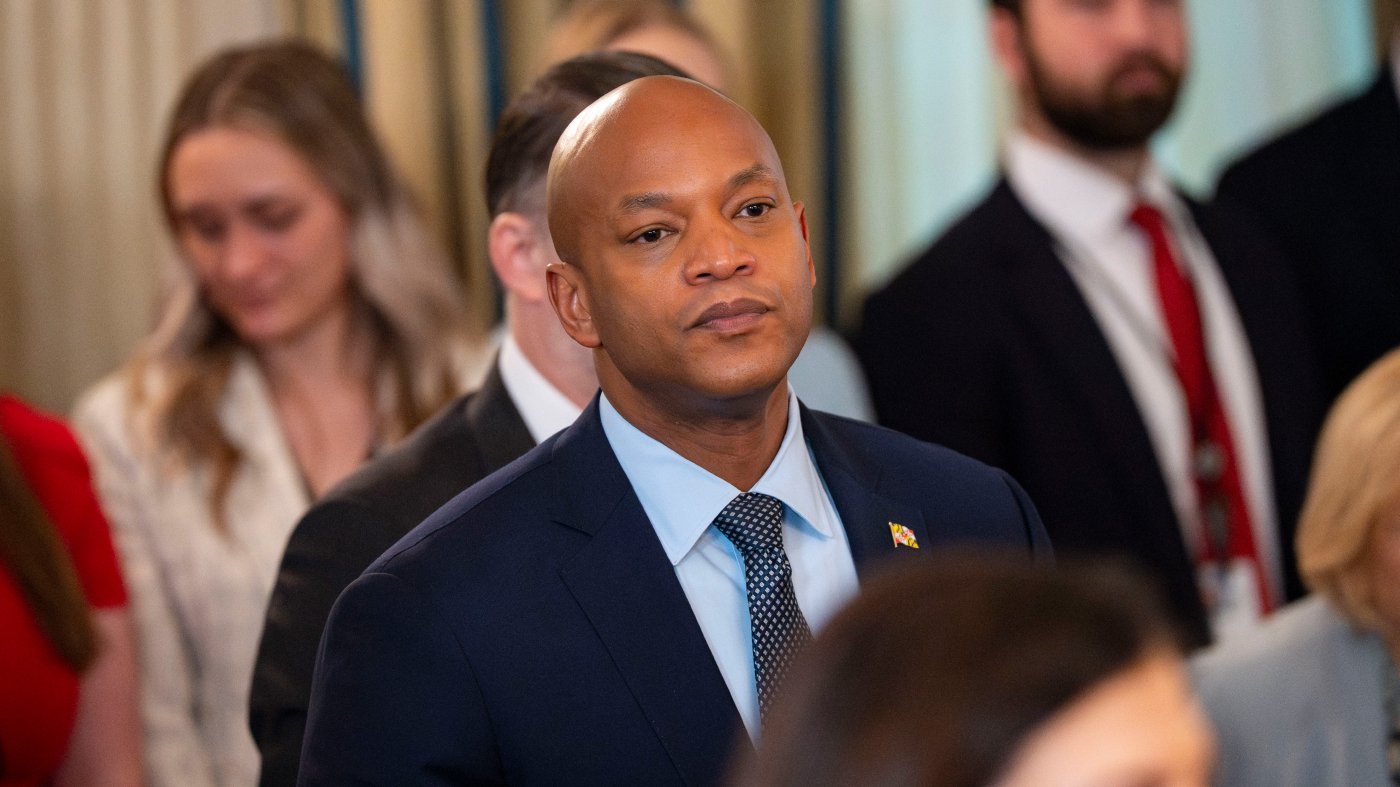
Maryland Governor Wes Moore, a Democrat who has often clashed with President Trump, offered rare bipartisan praise this week for the administration's new child investment accounts, labeling them a "smart policy" that has eluded both parties for years.
"I will give this administration credit for this. We've had Democratic presidents and Republican presidents who have not been able to get this done, and it actually got done," Moore said on an episode of The Clay Cane Show published Tuesday.
The accounts, branded as Trump Accounts, launched on July 4 and are available to any U.S. child under 18 with a Social Security number. The president marked the rollout by ringing the opening bells at the New York Stock Exchange and Nasdaq on Monday, touting the program as a game-changer for American families. "The parents can't even believe it's happening," Trump said. "It's an amazing thing."
According to the Treasury Department, more than 6 million families had signed up for an account as of Thursday. The accounts were created under the One Big Beautiful Bill Act, which Trump signed into law last July. Family members, friends, and other adults can contribute up to $5,000 annually per child, a limit set to increase with inflation starting in 2028.
For children born between January 1, 2025, and December 31, 2028, the Treasury is offering a $1,000 deposit. Over 50 companies have also committed to contributing to the accounts of their employees' children, the Treasury noted on Saturday.
Moore drew a comparison between the Trump Accounts and the concept of baby bonds, first proposed by economists Darrick Hamilton and William Darity in 2010 to address the racial wealth gap. Under that model, the government would make an initial deposit into an interest-bearing account for each newborn and add more funds throughout childhood, with the largest deposits going to children from low-wealth households. At age 18, beneficiaries could use the funds for wealth-generating assets like a home, education, or a small business.
"One of the fastest ways that you can address both child poverty and the racial wealth gap is actually baby bonds," Moore said. "By giving children a chance to have something that can grow and grow in maturity, that can then give them an opportunity to have a measure of economic mobility—and sustainable economic mobility."
A December report from the Brookings Institution, however, noted that baby bonds "directly address wealth inequality," unlike the Trump Accounts. In December, Michael and Susan Dell pledged $6.25 billion to the accounts of up to 25 million children ages 10 and under living in qualifying zip codes—amounting to $250 per child, for those born before January 1, 2025.
Moore's only gripe with the program is the branding. "I hate the fact that he called it a Trump Accounts," he said with a laugh. "I mean… why he put his name on this thing is so unbelievably frustrating, and he has put his name on everything. But that's just who the man is, and that's who he's been his whole life."
For more on the broader political landscape, see Nebraska GOP Rep. Flood Booed Again Over Trump's 'One Big Beautiful Bill' and Trump Pledges to Delist Syria as State Sponsor of Terrorism.