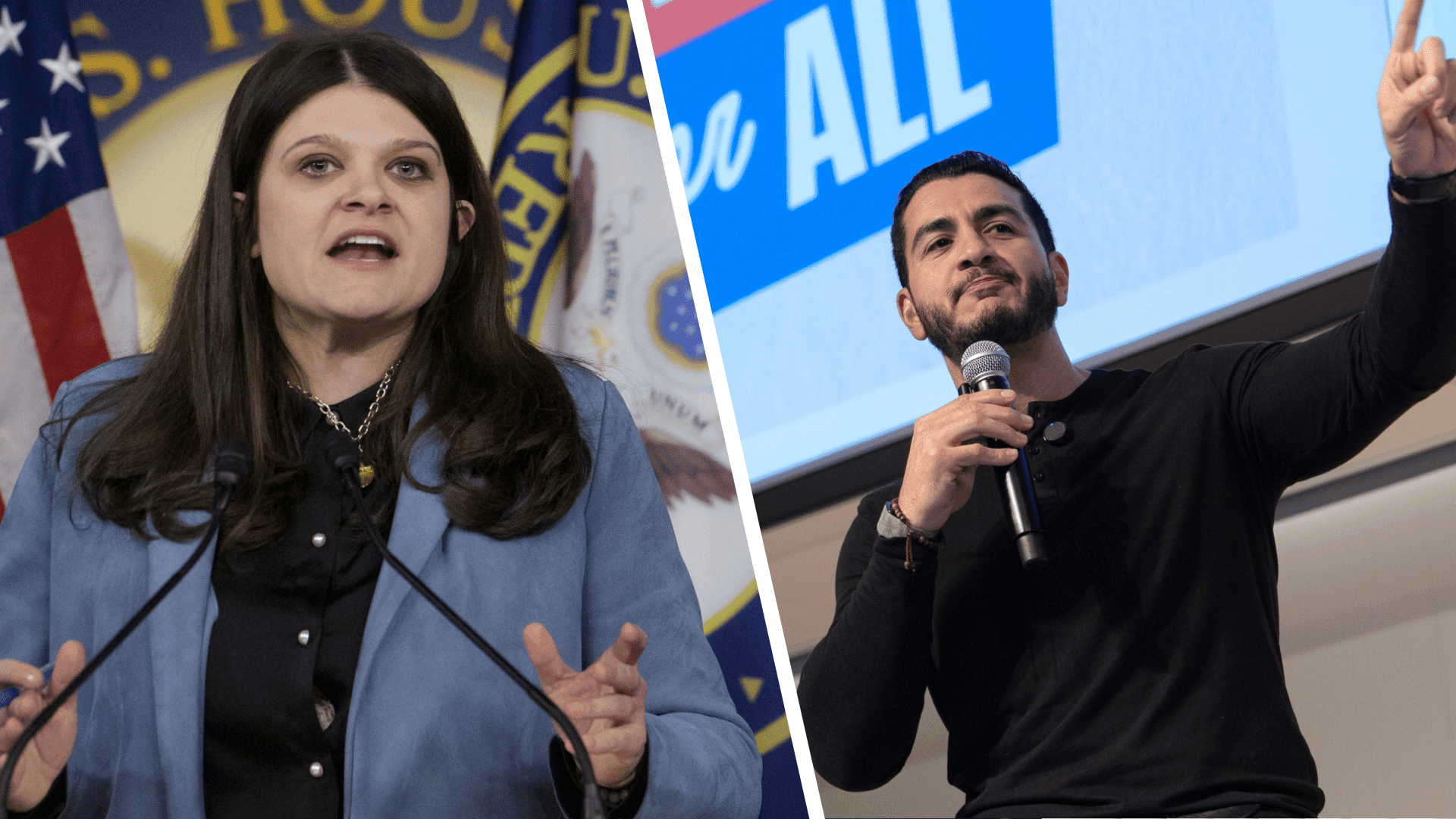
Michigan's Democratic Senate primary entered its final stretch Tuesday night as Rep. Haley Stevens and former state health official Abdul El-Sayed squared off in a televised debate. The face-off was their first since state Sen. Mallory McMorrow dropped out of the race on Sunday, narrowing the contest to a direct clash between the party's moderate and progressive wings.
Stevens, a mainstream congresswoman backed by Senate Minority Leader Chuck Schumer, represents the establishment lane. El-Sayed, a progressive endorsed by Sen. Bernie Sanders and Rep. Alexandria Ocasio-Cortez, is running on a platform of Medicare for All and a Green New Deal. The debate, broadcast live on NewsNation, highlighted the stark policy differences between the two candidates.
The field cleared after McMorrow's exit, which was covered extensively by Michigan Democrat McMorrow Drops Senate Bid. Her departure left Stevens and El-Sayed as the remaining contenders, each vying to appeal to the party's base while also reaching independent voters in the general election.
During the debate, Stevens emphasized her experience in Congress and her work on legislation like the CHIPS Act, which she argues will bring jobs to Michigan. El-Sayed countered by criticizing her ties to corporate donors and called for a more aggressive approach to tackling income inequality and healthcare costs.
The outcome of this primary could have national implications, as Michigan is a key swing state in the battle for Senate control. The winner will face the Republican nominee in November, with the seat currently held by retiring Sen. Debbie Stabenow.
Progressive groups have poured resources into the race, mirroring broader trends seen in other states. For instance, the ACLU Channels $25 Million Into Key State Races to influence outcomes on issues like voting rights and criminal justice reform.
Stevens and El-Sayed also sparred over economic policy, with El-Sayed accusing Stevens of supporting trade deals that hurt Michigan workers. Stevens defended her record, highlighting her votes for infrastructure and manufacturing investments.
The debate comes at a time when the Democratic Party is grappling with internal divisions, as seen in recent Democratic Socialist Primary Wins that have set up challenges to House leadership. Both candidates sought to position themselves as the best choice to unite the party and defeat Republicans in the general election.
Political analysts noted that McMorrow's exit may have reshaped the dynamics of the race, allowing Stevens and El-Sayed to sharpen their contrasts. With just weeks until the primary, Tuesday's debate could be a pivotal moment in determining which vision of the Democratic Party resonates with Michigan voters.